

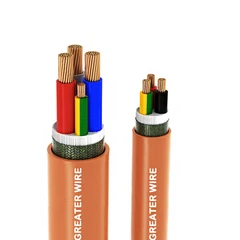
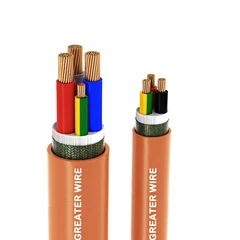

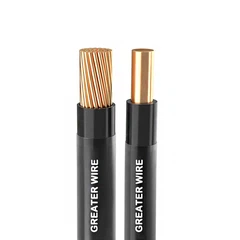
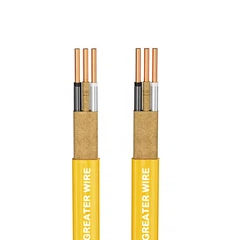
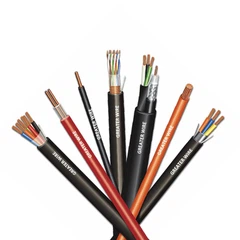
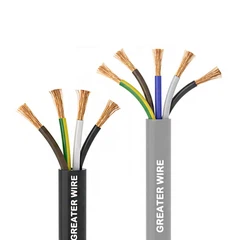
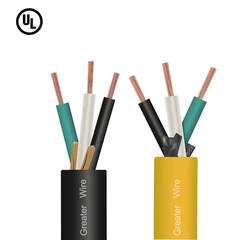
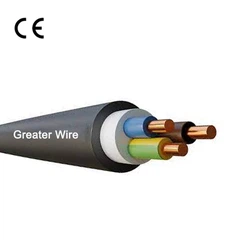
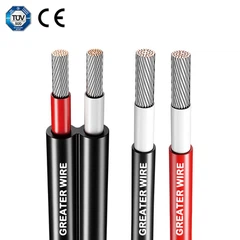

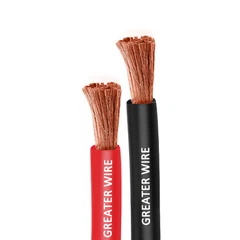
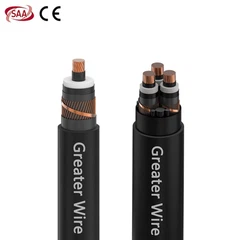
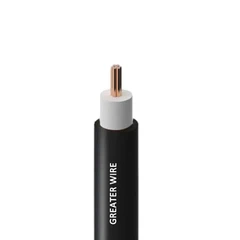
Medium voltage cables play a vital role in the power distribution system, especially in a country like Australia where energy demand is growing. Medium voltage cables are not only widely used in urban power grids, industrial applications and renewable energy systems, but also carry critical power transmission tasks. As the voltage and power requirements of power transmission increase, the design requirements of cables are becoming increasingly stringent, especially in the design of the shielding layer.
This article will explore in depth the shielding design requirements of Australian medium voltage cables, focusing on the shielding design requirements of 11kV copper cables, 5kV medium voltage cables, 35kV medium voltage cables and medium voltage armored cables and their performance in practical applications.

1. The role of the shielding layer
The shielding layer of the medium voltage cable has many key functions in the power system, mainly including:
Preventing electromagnetic interference (EMI): The shielding layer of the medium voltage cable can effectively reduce the impact of electromagnetic interference on the surrounding equipment and environment, and ensure that power transmission is not interfered by external noise.
Protect the cable from the external environment: The shielding layer can protect the cable from mechanical damage, chemical corrosion, moisture, ultraviolet rays and other external factors to a certain extent.
Prevent electrical faults: The shielding layer can effectively disperse the current and prevent current leakage and electrical faults (such as short circuits) from damaging the cable and its surrounding equipment.
Enhance the mechanical strength of the cable: In some applications, the shielding layer not only has electrical functions, but also undertakes the mechanical functions of improving the cable's compression, tension and bending resistance.
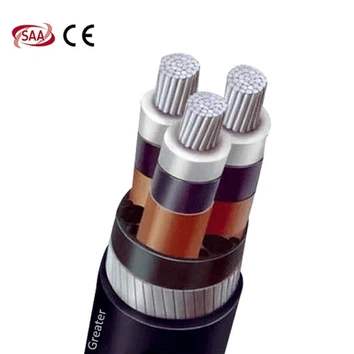
2. Standards and requirements for medium voltage cables in Australia
In Australia, the design and use of medium voltage cables must comply with strict national standards and industry requirements, especially in the design and material selection of the shielding layer. The following are several key design requirements and standards:
AS/NZS 1429.1 standard
The joint Australian and New Zealand standard AS/NZS 1429.1 is a key reference document for the design and manufacture of medium voltage cables. This standard specifies the technical requirements for medium voltage cables, including insulation, conductors, shielding layers, outer sheaths, and testing. The shielding layer design of medium voltage cables needs to comply with this standard to ensure the safety and reliability of cables under high voltage.
Selection of high-quality shielding materials
The shielding layer of Australian medium voltage cables usually uses metal (such as copper or aluminum) and non-metal (such as conductive polymer) materials. Metal shielding materials provide excellent electromagnetic shielding performance, while conductive polymer materials are more suitable for lightweight cables or applications with special requirements for weight.
Compliance with international certifications
Australian medium voltage cables are usually designed to meet international certification standards such as IEC (International Electrotechnical Commission) and UL (Underwriters Laboratories) to ensure the reliability and safety of cables worldwide.
Water resistance and corrosion resistance requirements
For medium voltage cables in some special environments (such as underground laying, humid environment or marine environment), the shielding layer design must also have high water resistance and corrosion resistance to prevent moisture and chemicals from invading the cable interior.

3. Shielding layer design of different types of medium voltage cables
Depending on the voltage level, application scenario and external environment, there are many different types of medium voltage cables on the Australian market, and each type of cable shielding layer design has its own special requirements.
1. 11kV copper cable
11kV copper cable is widely used in urban power grids, industrial facilities and medium-sized power transmission systems. Since copper has lower resistance and better conductivity, 11kV copper cables usually use copper conductors to ensure lower transmission losses.
Shielding layer design requirements: The shielding layer of copper cables is generally composed of copper braided mesh or aluminum foil. Copper braided mesh has good electrical properties and can effectively reduce electromagnetic interference. Aluminum foil is used to improve the durability and mechanical strength of the cable.
Corrosion and oxidation resistance: Since copper conductors are easily oxidized, anti-oxidation measures must be taken in the shielding layer design of copper cables to ensure that the copper material does not deteriorate when exposed to the air for a long time.
2. 5kV medium voltage cable
5kV medium voltage cables are usually used in small and medium-sized power transmission systems, suitable for commercial buildings, residential areas and some medium and low load power demand scenarios.
Shielding layer design requirements: In 5kV medium voltage cables, the shielding layer is usually composed of aluminum foil, copper braided mesh or conductive polymer layer. Although the voltage is low, the cable still needs to have a certain anti-electromagnetic interference ability and electrical safety. The shielding layer of such cables generally does not require too much protection function, and mainly focuses on electromagnetic interference suppression.
Material selection: The shielding layer material of 5kV cables is usually selected from aluminum foil and polymer materials because they are lighter and have sufficient electrical shielding performance.
3. 35kV medium voltage cable
35kV medium voltage cable is mainly used for large-scale power transmission systems, and is widely used in industrial areas, large commercial buildings and power systems that require long-distance power transmission.
Shielding design requirements: In 35kV medium voltage cables, the shielding design is particularly complex and usually adopts a multi-layer shielding structure. This includes an outer aluminum foil shield, an inner copper braided mesh, and a conductive polymer shielding material. Multi-layer shielding can not only effectively suppress electromagnetic interference, but also enhance the cable's ability to resist mechanical damage.
Water resistance and chemical corrosion resistance: 35kV cables are usually used in harsh environments. The shielding design needs to have the characteristics of water resistance, corrosion resistance, and chemical resistance to ensure that the cable can operate stably and long-term in a humid or chemically contaminated environment.
4. Medium Voltage Armored Cable
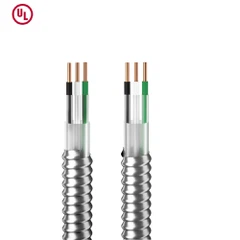
Medium voltage armored cables are designed to resist high mechanical shocks and are often used in environments that require additional protection, such as underground laying or exposed to areas with high external pressure. This type of cable adds a metal sheath (usually steel wire braid or aluminum alloy material) to the outside of the shielding layer to improve the cable's tensile and compressive strength.
Shielding design requirements: In addition to conventional electromagnetic shielding, the shielding layer of medium voltage armored cables also needs to have additional mechanical damage resistance. Sheath materials (such as aluminum foil and steel wire braid) provide protection to prevent external impact from damaging the cable.
High voltage and environmental resistance: Since medium voltage armored cables are often used in harsh environments, the shielding layer must be designed to have a high degree of high voltage resistance as well as UV and corrosion resistance.

4. Key challenges in shielding layer design
When designing the shielding layer of medium voltage cables, engineers need to overcome the following challenges:
Electromagnetic interference (EMI) suppression
With the widespread application of power electronic equipment, the sources of electromagnetic interference are increasing. Therefore, the shielding layer design of medium voltage cables must be effective enough to prevent external electromagnetic waves from interfering with the transmission of power signals.
Environmental adaptability
The shielding layer of the cable needs to maintain good performance in extreme environments, such as high temperature, low temperature, humidity or high corrosion environment. When designing, ensure that the selection of shielding layer materials can adapt to different environmental requirements.
Balance between mechanical protection and electrical protection
The shielding layer must not only have electrical isolation function, but also be able to withstand the mechanical impact and pressure of the cable in actual application. How to balance these two needs is an important challenge in shielding layer design.