


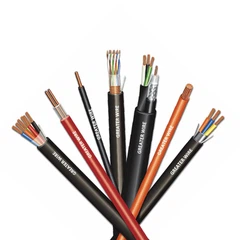
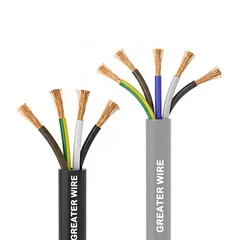
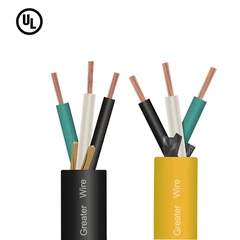
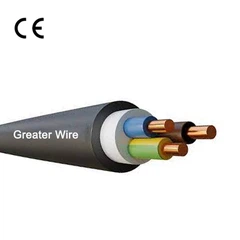

In modern power systems, medium voltage cables are core components of power transmission and distribution. They play a vital role in urban power grids, industrial facilities, renewable energy projects and other fields. With the continuous growth of power demand and the increasing complexity of power grid structure, the reliability of cable joints has become particularly important. As a key part of the medium voltage cable system, the joint must ensure electrical safety, mechanical strength, environmental resistance and long-term stability.
This article will explore the joint processing technology of medium voltage cables in Australia, focusing on how to ensure the electrical safety and long-term stability of medium voltage cables through appropriate joint design and processing measures, especially in the application of medium voltage armored cables and medium voltage power cables.

1. Why medium-voltage cable joints are so important
Medium-voltage cable joints usually refer to the part that connects two or more cables together. It is not only a key node in the power system, but also often a high-risk area for failures. If the joints of medium-voltage cables are not handled properly, it may lead to serious consequences such as overheating of the joints, insulation damage, electrical short circuits, and even fires. Good joint design and treatment can not only ensure electrical continuity, but also extend the service life of the cable and reduce the occurrence of electrical failures.

2. Joint treatment requirements for medium-voltage cables in Australia
According to Australian standards and power industry specifications, the treatment of medium-voltage cable joints must meet the following core requirements:
Electrical safety
The joints must have good electrical insulation properties, which can effectively isolate high voltages and avoid current leakage and electrical short circuits. The insulation material of the joint needs to have high dielectric strength and good heat resistance to cope with the heat generated when current flows through.
Mechanical strength
The joints of medium-voltage cables are usually located at the key connection points of the cable, so the joints need to have sufficient mechanical strength to withstand the stress caused by external pressure, tension, impact and cable weight. In addition, the joints must be well sealed to prevent external environmental factors such as water, moisture, dust, etc. from corroding the cable.
Environmental resistance
The joints need to have sufficient environmental adaptability such as corrosion resistance, high temperature resistance, low temperature resistance, and UV resistance. Especially in Australia's variable climate conditions, cable joints need to adapt to different environmental challenges, from hot desert areas to humid coastal areas.
Long-term stability
The joints must have long-term stability to ensure that the power system operates stably for a long time without overheating, breakdown, short circuit or other fault problems. Especially under high load and high temperature operation, the joints need to maintain their electrical and mechanical properties for a long time.

3. Common types of medium voltage cable joints
In the joint processing of medium voltage cables, the common joint types are as follows:
Straight Joint
The straight joint is used to connect two cable conductors, mainly through metal joints or crimping. This joint has a simple structure and low cost, and is suitable for short cable connections.
Branch joint (T-Joint)
The branch joint is used to branch a cable into two cables. This type of joint has a more complex structure and usually requires additional waterproof and insulation protection. It is widely used in power distribution systems.
Termination Joint
Termination joints are used for the terminal connection of cables, usually for the terminal processing of cables, access to electrical equipment, etc. The terminal joints need to pay special attention to waterproof, heat-resistant and seismic performance.
Medium voltage armored cable joints
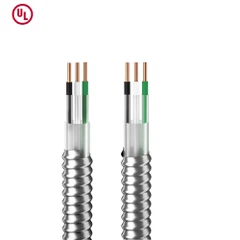
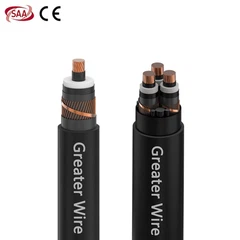
Medium voltage armored cable joints are special joints for connecting medium voltage cables (especially armored cables). Since armored cables have additional metal sheaths, the joint design needs to consider how to ensure a good connection between the metal sheath and the cable conductor and shielding layer.
IV. Processing steps of medium voltage cable joints
The processing of medium voltage cable joints is a systematic project involving multiple links, each of which directly affects the quality and long-term stability of the joints. The following are common steps for processing medium voltage cable joints:
1. Preparation: Cable stripping and cleaning
Before processing the medium voltage cable joint, the cable needs to be stripped to ensure that the conductor, insulation layer and shielding layer in the joint area can be exposed for connection and protection. The stripping process needs to be operated carefully to avoid damaging the insulation material inside the cable.
Conductor stripping: Conductor stripping involves stripping off the outer insulation layer to expose the conductive core. The conductor must be flat and undamaged to ensure good contact.
Insulation stripping: When stripping the insulation layer, ensure that the stripping length meets the design requirements to avoid excessive stripping that may result in conductor exposure or unstable joints.
Shield stripping: If the cable has a shield, the shield must be stripped off and ensure that the shield does not interfere with the joint.
2. Connecting conductors: crimping and welding
In the processing of medium-voltage cable joints, connecting conductors is one of the most critical steps. Generally speaking, there are two ways to connect conductors:
Crimping: Crimping is the most common way to connect conductors. Special tools are used to press the conductor and the joint part tightly to ensure stable contact. The quality of crimping directly affects the electrical stability of the joint.
Welding: In some special cases, conductors can also be connected by welding. Welding can provide a more secure connection, especially when the conductor surface is rough or damaged.
3. Installing the insulation layer
After connecting the conductors, an insulating protective layer needs to be installed at the joint. The insulation layer is an important barrier to prevent current leakage and breakdown. Common insulation materials include heat shrink tubing and cold shrink tubing.
Heat shrink tubing: Heat shrink tubing shrinks the tubing by heating, thereby tightly wrapping the joint part. Heat shrink tubing not only provides insulation protection, but also effectively prevents the intrusion of moisture, dust and chemicals.
Cold shrink tubing: Cold shrink tubing shrinks by stretching and tensioning, and does not require heating during installation, which is easy to operate.
4. Metal sheath treatment (for medium voltage armored cables)
For medium voltage armored cables, the treatment of joints also requires additional sheath protection. The metal sheath of the armored cable provides additional mechanical protection, so the joint needs to ensure the connection between the metal sheath and the conductor, insulation layer, and shielding layer in the joint area.
Metal sheath connection: The metal sheath needs to be tightly connected to the joint area through special tools to ensure its pressure resistance. The sheath needs to be connected to the ground wire or grounding system to ensure electrical safety.
5. Sealing and waterproofing treatment
In order to ensure the stability of the joint in long-term operation, sealing and waterproofing treatment are very important. Especially for medium-voltage cables laid underground or in humid environments, waterproof protection can prevent corrosion or failure at the joints.
Waterproof tape or sealant: Apply waterproof tape or sealant to the joint area to prevent moisture from entering the joint.
6. Testing and verification
After the joint is processed, comprehensive testing and verification are required to ensure that the electrical performance of the joint meets the standard requirements.
DC high-voltage test: used to test the insulation performance of the joint.
Dielectric loss test: Check whether the electrical loss of the joint is within a reasonable range.
