

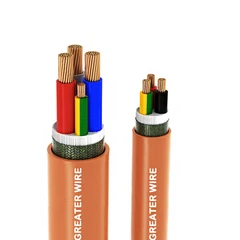
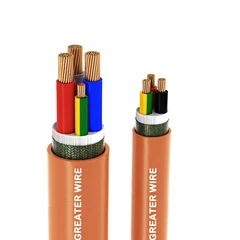

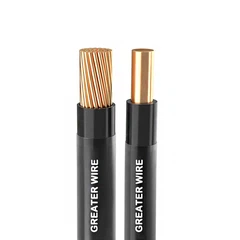
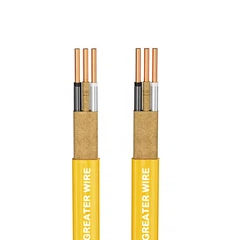
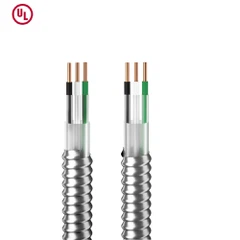
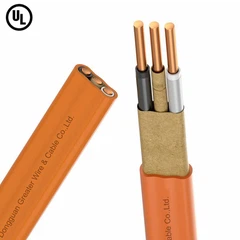
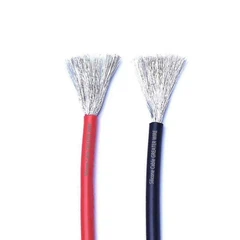
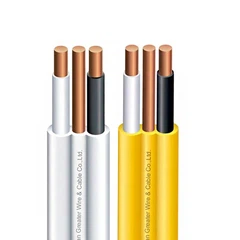
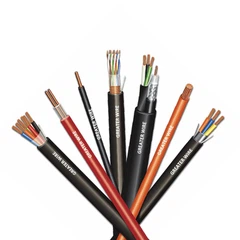
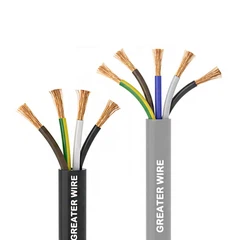
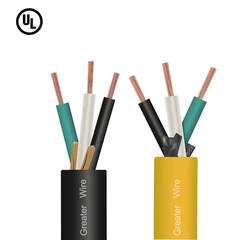
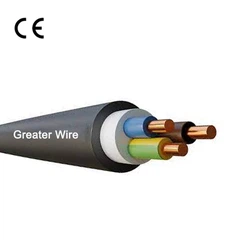
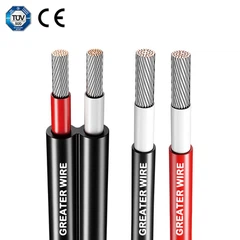

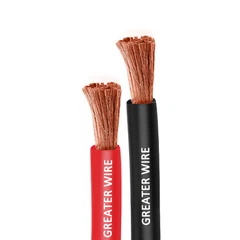
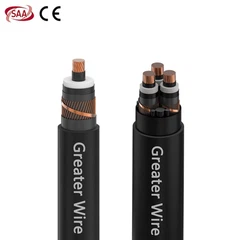
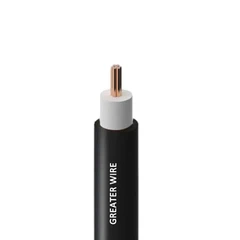
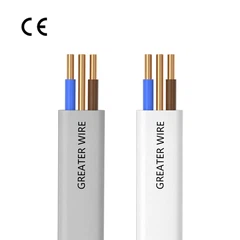
The use of electrical equipment in humid areas faces many challenges, one of the most important of which is waterproofing. In these environments, the safety and reliability of electrical systems are often affected by moisture, humidity, and moisture. In order to ensure that the electrical system can operate stably and for a long time in such harsh environments, it is crucial to choose the right cable. TPS cable (thermoplastic polyvinyl chloride cable) is a cable widely used in residential, commercial, and industrial electrical installations. Its flat design and good insulation performance make it the cable of choice in many places.
However, although TPS cable itself has certain waterproof performance, when used in humid areas, additional measures are still needed to enhance its waterproof ability and ensure the safety and stability of the electrical system. This article will discuss how to ensure the waterproof performance of TPS cable when used in humid areas, and introduce some common waterproof methods and cable selection tips.


1. Understand the basic performance of TPS cable
Before discussing how to enhance the waterproof performance of TPS cable, it is necessary to first understand some basic characteristics of the cable. The outer sheath of TPS cable is usually made of polyvinyl chloride (PVC) material, which has good insulation, abrasion resistance, and fire resistance. Standard TPS cables are suitable for most common environments, but their waterproof capabilities are not unlimited, especially in humid, water-soaked or flooded environments.
1.1 Cable structure
TPS cables consist of multiple conductors and insulation layers, with an outer layer covered with a PVC sheath. This design allows the cable to conduct current effectively while providing a certain degree of protection to prevent the electrical system from being disturbed by the external environment.
1.2 Standard waterproof performance
Standard TPS cables can be used in slightly humid environments, but in harsher moisture and water environments, the water resistance of the PVC material of its outer sheath may be affected, causing the electrical conductors inside the cable to become damp, which in turn affects electrical performance and even causes short circuits and equipment damage.
Therefore, when using TPS cables in humid areas, we need to take additional waterproof measures to enhance the waterproof performance of the cables.

2. Common methods to improve the waterproof performance of TPS cables
2.1 Choose a dedicated waterproof TPS cable
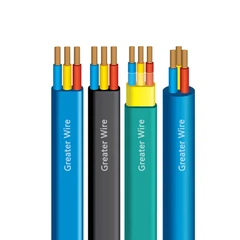
In order to ensure use in humid areas, some waterproof TPS cables designed specifically for humid environments have been launched on the market. These cables are usually improved in the following aspects:
Modified sheath material: Waterproof TPS cables usuall内y use modified PVC or other more water-resistant polymer materials, such as polyurethane (PUR) or silicone materials. These materials not only provide excellent electrical insulation performance, but also effectively prevent moisture from penetrating into the cable.
Waterproof shielding layer: Some TPS cables may add an additional waterproof shielding layer to help prevent external moisture from directly contacting the conductor and insulation layer of the cable. This shielding layer is usually composed of metal aluminum or copper wire braided mesh, which can effectively improve the cable's water resistance.
Sealing design: In some special waterproof TPS cables, a sealing rubber ring or sealing strip is designed at the joint of the outer sheath to prevent moisture from penetrating into the cable from the joint. This design can effectively improve the safety of the cable in humid environments.
2.2 Properly install the cable to avoid moisture penetration
Even if it is a waterproof TPS cable, if it is not installed properly, moisture may still penetrate into the cable. Therefore, when installing TPS cables in humid areas, some installation specifications need to be followed to ensure the waterproofness of the cable.
Maintain the sealing of the cable joints: At the cable connection, ensure that the joints are well sealed. Waterproof tape, sealing joints or cable connectors can be used to ensure that moisture cannot penetrate the joints. Especially where the cable is connected to the plug or other equipment, special attention should be paid to the sealing work.
Avoid direct exposure of the cable to water sources: When installing TPS cables in humid areas, try to avoid exposing the cables directly to water sources or stagnant water. You can avoid direct contact of moisture with the cables by laying the cables in the air, on elevated racks or buried in protective pipes.
Cable laying method: Ensure that the laying method of the cables complies with the specifications, and do not flatten or overbend the cables, which will affect the waterproof effect of the cables. Especially when used outdoors, the cables should maintain a certain slope to avoid water accumulation.
2.3 Use cable protection tubes
In the application environment of humid areas, the use of additional cable protection tubes or cable trays is an effective waterproof measure. The protection tube can isolate the cable from external moisture and prevent moisture from directly contacting the cable. Usually, the cable protection tube is made of PVC or metal materials, has good waterproof performance, and can provide additional mechanical protection.
PVC protective tube: PVC protective tube can effectively isolate water and moisture, preventing water from directly penetrating into the cable.
Metal protective tube: For occasions that require stronger protection, metal protective tubes such as stainless steel or galvanized steel tubes can be selected to provide higher water resistance and corrosion resistance.
2.4 Regularly check the waterproofness of the cable
Regularly checking the condition of the cable, especially in humid or water-prone environments, is a necessary step to ensure electrical safety. The following points should be paid attention to during the inspection:
Integrity of the cable sheath: Check whether the cable sheath is damaged, aged or cracked to ensure that there is no place for moisture to penetrate.
Sealing of the joint: Checbk whether the cable joint is well sealed and whether there are signs of moisture penetration. If necessary, special sealants or sealing materials can be used for additional sealing.
Water stains on the cable surface: Pay attention to whether there is water accumulation or water stains on the cable surface, especially at joints or corners.
2.5 Temperature control and cable protection
Humid areas are often accompanied by large temperature differences, and cables are easily affected by moisture and cause condensation. Therefore, when using TPS cables in humid areas, excessive condensation on the cable surface should be avoided. Reduce the impact of condensed water on cables through reasonable ventilation and temperature control measures.