



When you run cables in industrial plants, wastewater treatment facilities, or outdoor chemical storage areas, you quickly learn one thing: ordinary tray cables don't last. The insulation cracks after a few seasons of temperature swings. The jacket turns brittle under sunlight. Moisture wicks into the conductors and causes ground faults. And if the cable needs to run exposed – not buried in conduit – you have even fewer options.
That's where XHHW-2 insulated TC-ER cable comes in. It's built for the places that kill standard cables. Let's walk through what it is, where to use it, and how to pick the right one.
1. What Makes XHHW-2 TC-ER Cable Different?
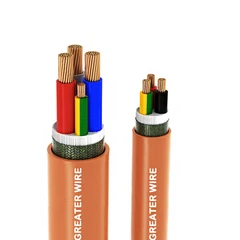
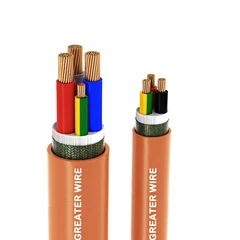
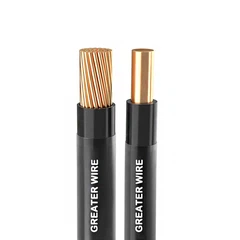
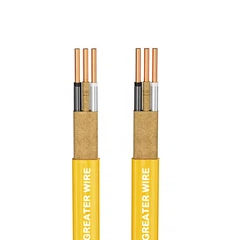
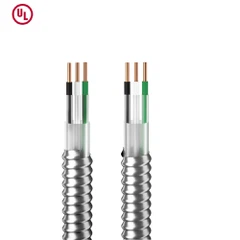
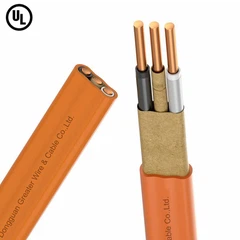
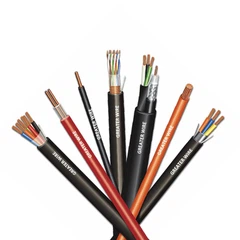
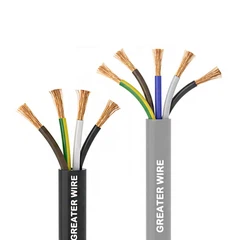
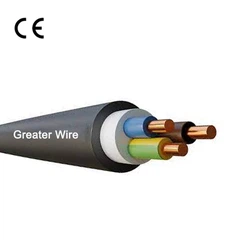
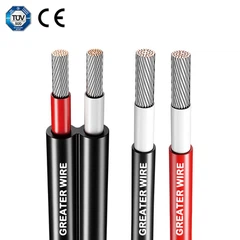
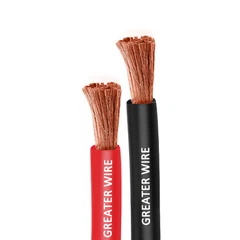
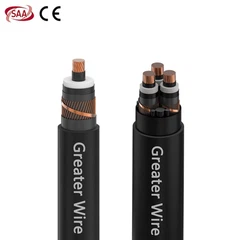
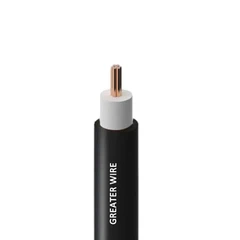
TC‑ER stands for Tray Cable with Exposed Run rating. Under NEC Article 336, TC‑ER cable can be installed in cable trays without additional conduit – even in exposed outdoor or indoor runs – as long as it meets crush and impact resistance requirements. That's a huge time saver compared to pulling individual THHN wires through pipe.The insulation is XHHW‑2, a cross‑linked polyethylene (XLPE) material. Unlike thermoplastic insulations (like THHN), XHHW‑2 is rated 90°C in both dry and wet locations. That means you get full ampacity even in damp manholes, outdoor trays, or washdown areas. It also resists oil, chemicals, and abrasion far better than standard PVC‑nylon jackets.Most TC‑ER cables come with a black sunlight‑resistant PVC jacket over the inner assembly. Some are shielded (overall foil or braid) for VFD applications, others are unshielded for straight power. You can get 4/C, 5/C, or even 7/C configurations depending on your control or power needs.

2. Where Does This Cable Excel? (Real‑World Applications)
We see XHHW‑2 TC‑ER cable specified most often in these harsh environments:
- Industrial automation lines – connecting sensors, actuators, and controllers in assembly plants where oil mist and vibration are constant.
- Wastewater treatment plants – wet, corrosive, and full of hydrogen sulfide. The XLPE insulation and PVC jacket hold up where standard cables rot.
- VFD (Variable Frequency Drive) systems – shielded TC‑ER cable reduces electromagnetic interference, and the exposed‑run rating lets you install it directly from the drive to the motor without conduit.
- Chemical and food processing facilities – frequent washdowns with caustic cleaners. XHHW‑2 resists chemicals; the jacket seals out moisture.
- Outdoor solar or renewable energy projects – sunlight‑resistant jacket and 90°C wet rating make it reliable for long outdoor runs in tray or on racks.
A common configuration we supply is 12 AWG 4/C shielded TC‑ER cable for control panels and 6 AWG unshielded TC‑ER cable for motor feeders. For longer high‑power runs, 1/0 AWG or 350 kcmil are used.

3. How to Select the Right TC‑ER Cable (Selection Reminder)
Before you order, check these three points:
- Shielded or unshielded?
For VFDs or any application with sensitive electronics, choose overall shielded (foil + drain wire) or braid shielded for better EMI rejection. For straight power feeders, unshielded saves cost.
- Conductor count and gauge
Use NEC ampacity tables. For a 20A control circuit, 12 AWG 4/C is typical. For a 50A motor, 8 AWG or 6 AWG 3/C + ground. For long runs, upsize to 1/0 or 2/0 to manage voltage drop.
- Environmental ratings
Direct burial – if the cable will be buried, verify it's marked "DIR BUR" or "Direct Burial". Many TC‑ER cables are rated for burial; check the datasheet.
Oil resistance – for machine tool environments, ask for "Oil Resistant I & II" rating.
Cold weather – XHHW‑2 stays flexible down to -40°C, suitable for outdoor cold climates.
⚠️ Customer pain point we hear often: "We used unshielded tray cable for a VFD and had nuisance trips from interference. We didn't know we needed shielded."
Our tip: Always verify your drive manufacturer's recommendation – most require shielded cable for runs over 50 feet.
FAQ
Q: Can I use TC‑ER cable outdoors without conduit?
Yes, if it's sunlight resistant (black jacket) and the installation meets NEC 336.10(7) for exposed runs. It must be supported properly and not subject to physical damage.
Q: What's the difference between XHHW‑2 and THHN for TC‑ER cable?
XHHW‑2 retains 90°C rating in wet locations; THHN drops to 75°C when wet. XHHW‑2 also resists oil, chemicals, and abrasion better. For harsh environments, XHHW‑2 is the clear choice.
Q: Does TC‑ER cable require special connectors?
Not necessarily. Standard cable tray or exposed‑run fittings work. However, for outdoor exposed runs, use weatherproof boxes and strain relief grips designed for tray cable.
Q: Is this cable rated for direct burial?
Many TC‑ER cables are, but you must check the specific marking. Look for "DIR BUR" on the jacket. If not marked, install in conduit for underground runs.
Q: Can I get this cable with an insulated ground?
Yes. While bare ground is common, for corrosive or wet environments we recommend insulated green ground to prevent long‑term corrosion of the grounding path.
Need a Quote for Your Next Industrial Project?
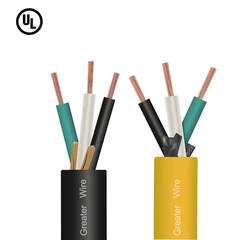
Before we get to pricing, a quick note on compliance: our XHHW-2 insulated TC-ER cable is UL1277 certified (Tray Cable with Exposed Run rating) and fully compliant with NEC Article 336. We can provide the UL certificate and file number upon request – no vague claims, just the documentation your inspector needs.
Now, back to your project. We manufacture XHHW‑2 insulated TC‑ER cable in all standard gauges – from 12 AWG to 500 kcmil, shielded or unshielded, with sunlight‑resistant PVC jacket. Our cables meet NEC exposed‑run requirements and are built for wastewater, chemical, automotive, and renewable energy projects.
Tell us your conductor count, gauge, length, and environment (wet, oily, outdoor, VFD). We'll recommend the right construction and send you a quick quote.

Contact us
Dongguan Greater Wire & Cable Co., Ltd.
Tel/WhatsApp/Wechat: +86 136 6257 9592
Tel/WhatsApp/Wechat: +86 135 1078 4550
Email: manager01@greaterwire.com
Website: www.greaterwire.com