























1. What is SIS Wire?
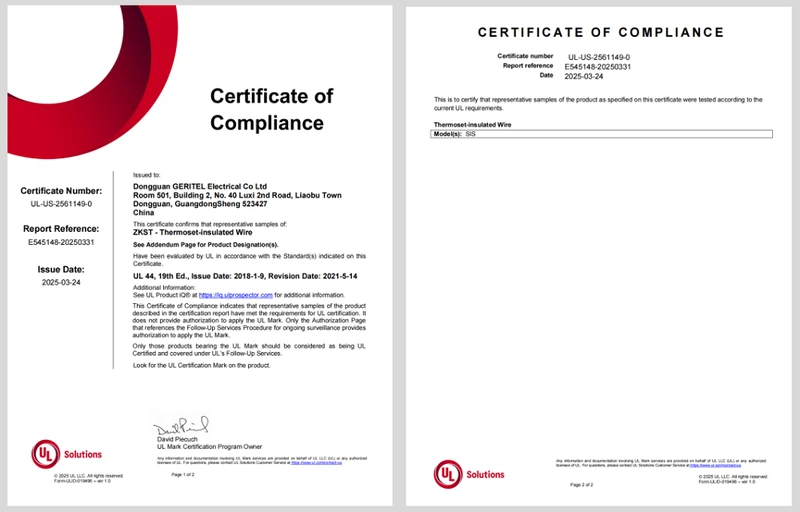
SIS wire, or Steel Insulated Shielded wire, is commonly used in switchboards and distribution panels due to its excellent sis wire insulation properties. This insulation protects the conductor from mechanical damage and electrical interference. Compared to other wires, sis type wire offers sturdy construction and superior heat resistance, making it ideal for high-load electrical environments.
2. Understanding Conduit and SIS Wire Requirements
Conduits, typically made of PVC or metal, protect wires from external damage and maintain organized and safe wiring. Conduits demand cables with strong insulation, flexibility, and good heat dissipation. The characteristics of sis wire insulation play a critical role in determining if SIS wire is suitable for conduit installation.
3. Technical Considerations for Using SIS Wire in Conduit
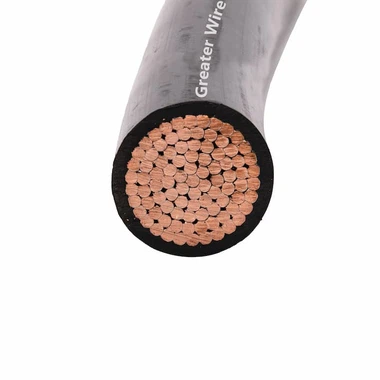
The sis wire insulation of SIS wire is usually thick and durable, effectively preventing current leakage and short circuits. However, sis type wire tends to be rigid, which can make pulling through conduits challenging. Given the limited space inside conduits, the wire's size and flexibility must meet standards to avoid installation difficulties and heat buildup.
According to the National Electrical Code (NEC), sis switchboard wire is allowed in conduits if it meets heat resistance and mechanical protection requirements. Still, site-specific conditions and conduit types must be considered.

4. Pros and Cons of Using SIS Wire in Conduit
Advantages:
Robust sis wire insulation offers excellent wear and tear resistance.
High mechanical strength reduces maintenance needs.
Strong electromagnetic interference (EMI) resistance ensures signal stability.
Disadvantages:
The rigidity of sis type wire makes conduit pulling more difficult.
Generally more expensive than common wires like THHN.
Requires skilled installation to meet safety standards.
5. Alternative Wire Types for Conduit Applications
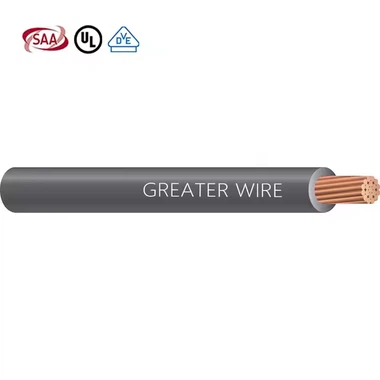
Common conduit-compatible wires include THHN and XHHW, which are more flexible and heat-resistant, making them easier to install and cost-effective. While sis switchboard wire excels in insulation and mechanical strength, alternative wires are often preferred for routine conduit wiring unless high-performance insulation is essential.

6. Best Practices for Installing SIS Wire in Conduit
To ensure the safety and performance of the sis wire insulation and conduit system, consider these tips:
Choose conduit sizes that prevent overcrowding and allow heat dissipation.
Use wire-pulling lubricants to reduce abrasion on sis switchboard wire.
Follow electrical codes carefully for proper terminations and joints.
Perform regular inspections to detect wear or damage inside conduits.
7. Real-World Applications and Case Studies of SIS Wire in Conduit
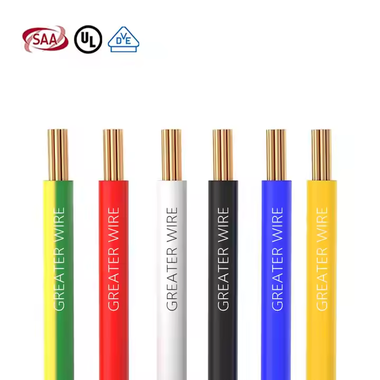
In many large industrial distribution systems, sis switchboard wire paired with metal conduits offers exceptional protection due to its sis wire insulation and mechanical toughness. Properly installed SIS wire in conduit provides reliable and stable performance while reducing maintenance costs.

Dongguan Greater Wire & Cable Co., Ltd. has cable products suitable for a variety of applications: cross-linked, PVC, rubber, silicone cables, which are widely used in medical instruments, construction engineering, aviation control and other systems. We not only provide stable and high-quality cables, but also provide considerate and timely customer support services. Whether you need standard specifications or customized products, we are happy to serve you. Contact us now to start our cooperation.