

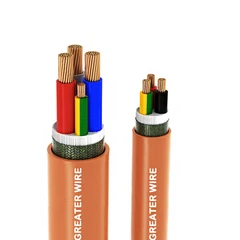
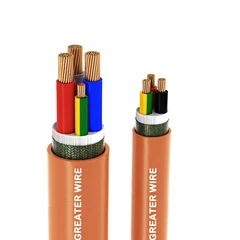

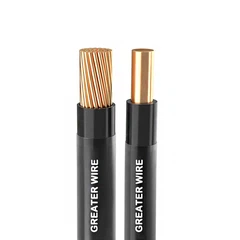
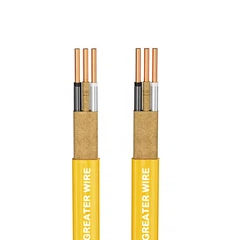
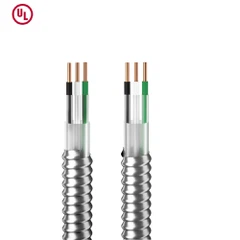
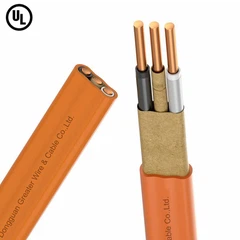
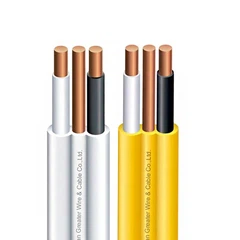
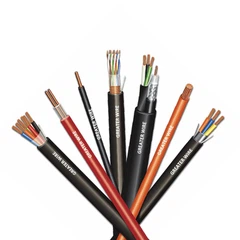
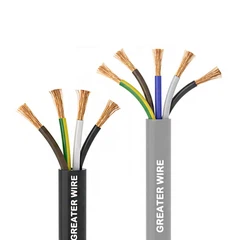
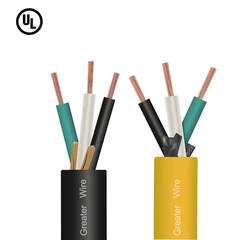
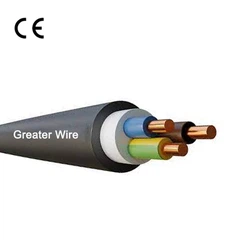
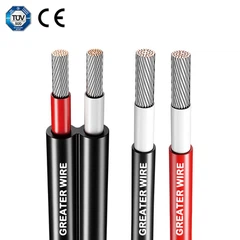

UF-B cable, short for Underground Feeder Cable, is widely used for outdoor and underground electrical installations. Homeowners, electricians, and DIY enthusiasts often face a common question: Can UF-B cable be exposed to the environment, or does it need additional protection? This is not just a matter of convenience-improper installation can result in electrical hazards, code violations, and premature cable failure.
UF-B cables come in various specifications to suit different electrical demands, including 12/2 UF cable, 12/3 UF cable, 12/3 UF wire, 6/3 UFB, and 4/3 UF-B wire with ground. Understanding the properties of these cables and the rules governing their installation is essential to ensure safety and compliance with the National Electrical Code (NEC). This article will explore whether UF-B cable can be exposed, examine its different types, and provide guidance on safe installation practices.
1. What is UF-B Cable?
UF-B stands for Underground Feeder cable, and it is specifically designed for direct burial applications. Unlike standard NM-B (Romex) cable, UF-B is engineered to withstand outdoor conditions, including moisture, sunlight, and soil contact.
1.1 Differences Between UF-B and NM-B
UF-B Cable: Water-resistant, suitable for direct burial, and often UV-resistant. It contains solid copper conductors and thick insulation that protects against moisture and mechanical damage.
NM-B (Romex) Cable: Designed for indoor use only, sensitive to moisture, and typically not rated for direct burial or outdoor exposure.
1.2 Common Applications of UF-B Cable
UF-B cables are versatile and can be used for:
Outdoor lighting
Garden and landscape power circuits
Underground feeder lines for sheds, garages, or workshops
Wet or damp locations where NM-B cannot be used
1.3 UF-B Cable Specifications
Different UF-B cable types cater to varying power requirements:
12/2 UF Cable: Commonly used for outdoor lighting or small power outlets. Contains two insulated conductors plus a ground wire.
12/3 UF Cable / 12/3 UF Wire: Ideal for circuits requiring three conductors, such as split-phase power or multi-wire branch circuits.
6/3 UFB: Designed for higher amperage applications, such as garage or workshop circuits.
4/3 UF-B Wire w Ground: Handles larger current loads and provides a reliable grounding conductor for safety.

2. Can UF-B Cable Be Exposed?
The key question remains: Can UF-B cable be installed without protection above ground?
NEC Guidelines
According to the National Electrical Code (NEC):
Direct Burial: UF-B cable can be buried directly in the soil without conduit.
Above Ground: When UF-B is installed above ground, NEC generally requires protection from physical damage. This often means running the cable through PVC or metal conduit, especially in high-traffic areas or where mechanical damage is possible.
Indoor Use: UF-B can be used indoors in the same manner as NM-B, but exposed installation in areas prone to impact is discouraged.
Risks of Exposed UF-B Cable
Leaving UF-B cable exposed introduces several risks:
UV Damage: Prolonged sunlight can degrade insulation, even if rated for UV resistance.
Mechanical Damage: Foot traffic, lawn equipment, or falling debris can compromise the cable.
Moisture and Contamination: While UF-B is water-resistant, surface exposure can allow dirt and debris to accumulate, potentially affecting long-term performance.
In summary, UF-B cable can survive above-ground exposure in short-term or low-risk areas, but it is generally safer and code-compliant to protect it with conduit whenever possible.

3. Choosing the Right UF-B Cable for Your Application
Different types of UF-B cable serve different purposes. Selecting the right size and configuration is critical for performance and safety.
3.1 12/2 UF Cable
Contains two conductors plus ground
Commonly used for outdoor lighting, small outlets, or garden circuits
Installation tips:
Avoid direct sunlight exposure for extended periods
Use conduit when crossing pathways or driveways
3.2 12/3 UF Cable / 12/3 UF Wire
Contains three conductors plus ground
Suitable for circuits that need multiple phases or a separate neutral
Often used for:
Split-phase circuits in workshops
Outdoor receptacles requiring separate loads
Installation tips:
Protect from mechanical stress
Ensure proper grounding to maintain safety
3.3 6/3 UF-B
Designed for higher amperage circuits
Suitable for garages, workshops, or outdoor subpanels
Handles 50+ amps depending on application
Installation tips:
Must be buried at NEC-specified depth
Always consider conduit in exposed areas
3.4 4/3 UF-B Wire w Ground
Handles larger electrical loads safely
Provides reliable grounding
Ideal for heavy-duty applications, including large outdoor appliances or high-capacity feeders
Installation tips:
Use conduit in areas of potential damage
Ensure correct burial depth if used underground

4. Proper Protection for UF-B Cable
Even though UF-B is durable, certain precautions will prolong cable life and improve safety.
Conduit Protection
PVC or Metal Conduit: Essential for areas exposed to impact, UV, or high-traffic zones.
Conduit also provides additional protection from rodents or accidental cuts.
Burial Depth
NEC specifies minimum burial depths based on voltage and location:
12 inches for UF-B under soil without conduit (typical residential circuits)
18 inches if the cable is under driveways or roads
Preventing Mechanical Damage
Avoid sharp bends and excessive tension
Keep cable away from garden tools, lawnmowers, or construction activities
Moisture Protection
Although UF-B is water-resistant, avoid standing water or excessive exposure to prevent long-term degradation
Ensure connectors and junction boxes are rated for outdoor or wet conditions

5. Common Installation Mistakes
Even experienced electricians sometimes make errors when handling UF-B cable:
Exposing 12/2 UF Cable on the surface: Leads to UV degradation and potential code violations.
Not using conduit for 6/3 UFB in high-traffic areas: Increases risk of mechanical damage.
Installing 12/3 UF Wire without grounding or proper protection: Can lead to safety hazards and code noncompliance.
Improper burial of 4/3 UF-B Wire w Ground: Too shallow burial may result in accidental cuts or damage.
By understanding these common mistakes, homeowners can avoid costly repairs and dangerous situations.

From conductor selection to factory testing, Greater Wire strictly controls every process, and each batch of UL cables meets international certification standards. We not only provide customers with spot support, but also have strong OEM and project customization capabilities. Dongguan Greater Wire & Cable Co., Ltd. is a reliable UL wire supplier. Welcome to consult and let our professionalism add points to your project.