























In modern residential and commercial electrical installations, the choice of wire type and installation method is critical for both safety and long-term performance. One of the most popular types of outdoor and underground wiring is UF-B cable (Underground Feeder Cable), known for its durability and ability to be buried directly without additional protection. A common question among homeowners and electricians alike is: Can UF-B wire be put in conduit?
1. What Is UF-B Cable?
UF-B cable is specifically designed for underground and outdoor applications. The "UF" stands for Underground Feeder, which highlights its ability to deliver reliable electrical power even when directly buried in soil. Unlike NM-B indoor cables, UF-B has a much tougher jacket, making it resistant to moisture, sunlight, and physical damage.
Some of the most common UF-B cable sizes include:
6/3 uf cable: Heavy-duty cable designed to carry higher amperage loads, often used for large appliances or subpanels.
6/3 uf wire 125 ft: A longer run of 6/3 cable, suitable for feeding detached garages, sheds, or longer circuits.
6/3 uf b: A standard underground feeder option for medium to large residential power distribution.
14/2 uf wire: Lightweight, flexible, and commonly used for outdoor lighting, garden outlets, and smaller circuits.
We provide a complete range of uf b cable options to meet different project needs-whether it's powering a backyard shed or supplying electricity to a full-size garage.
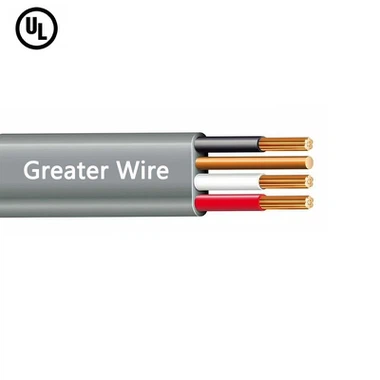
2. Can UF-B Cable Be Installed in Conduit?
According to the National Electrical Code (NEC), UF-B cable is rated for direct burial, meaning it does not require conduit for protection when installed underground. However, this does not mean that conduit cannot be used. In fact, in certain scenarios, running UF-B through conduit can provide additional safety and durability.
That said, it's important to note that UF-B cable is thicker and less flexible compared to other wiring types. Pulling it through long runs of conduit, especially when there are multiple bends, can be very difficult. For this reason, electricians typically use conduit for short transitions-for example, when UF-B cable emerges from the ground into a building wall, or when added protection is needed against potential physical damage.
In conclusion, UF-B cable can be put in conduit, but it is not always the most practical choice for long underground runs.
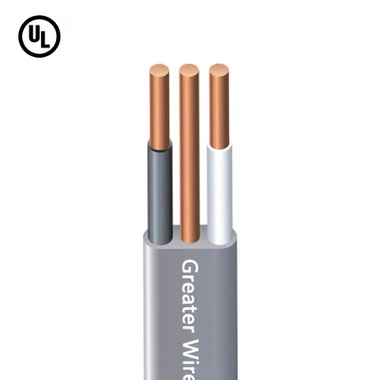
3. Pros and Cons of Using Conduit with UF-B Cable
Advantages:
Extra protection – Conduit shields the cable from animals, gardening tools, and accidental impact.
Code compliance – Some local electrical codes require conduit when UF-B enters a structure or runs above ground.
Longer lifespan – Conduit reduces exposure to UV rays and moisture, which helps prevent deterioration of the outer jacket.
Disadvantages:
Difficult installation – UF-B cable is stiff and harder to pull through conduit, especially over long distances.
Higher cost – Conduit and fittings add to material and labor expenses.
Heat dissipation – Multiple cables inside a conduit may reduce heat dissipation, affecting performance.
Overall, conduit is recommended when UF-B needs extra mechanical protection, but for long underground distances, direct burial is usually the more efficient and cost-effective solution.

4.Recommended UF-B Cable Sizes
When choosing UF-B cable, selecting the right size is essential for safety and performance:
6/3 uf cable / 6/3 uf wire 125 ft: Ideal for powering large appliances, subpanels, or detached buildings requiring heavy loads.
6/3 uf b: A durable underground option designed for long-term outdoor installations.
14/2 uf wire: Perfect for outdoor lighting, garden outlets, or other low-power residential applications.
uf b cable: Available in a full range of sizes and lengths to meet different residential and commercial needs.
By matching the cable type to your project requirements, you'll ensure efficient power delivery and safe operation.

5. Installation Tips for UF-B Cable
Whether you choose direct burial or conduit installation, keep these tips in mind:
Choose the right conduit size – Ensure the conduit diameter is large enough for easy cable pulling.
Protect against moisture – Use watertight conduit fittings to prevent water accumulation.
Follow local electrical codes – Always check with your municipality for compliance requirements.
Minimize bends – Avoid excessive conduit bends to make pulling stiff UF-B cable easier.

Greater Wire is committed to providing high-performance UL wires for residential, commercial, industrial and other occasions. Our products have been exported to North America, Latin America, Oceania, Southeast Asia, and many other countries. Dongguan Greater Wire & Cable Co., Ltd. is a reliable supplier of high-quality UL wire. Whether you are a distributor or an engineering customer, we will be your trusted partner.