

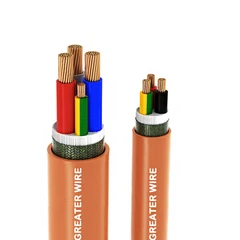
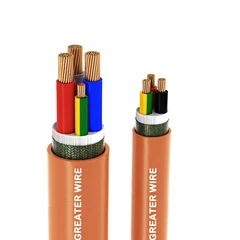

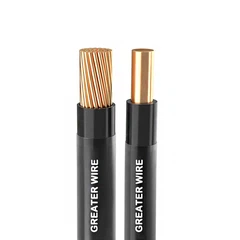
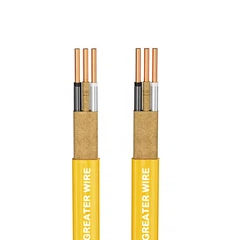

1. What is RHH/RHW Wire?
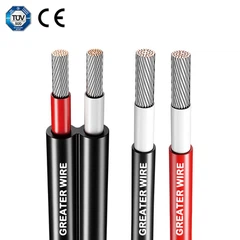
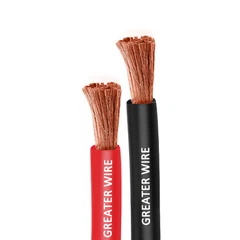
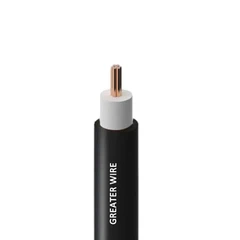
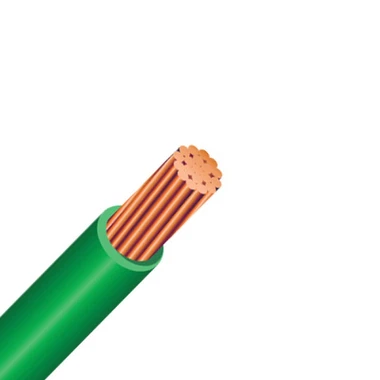
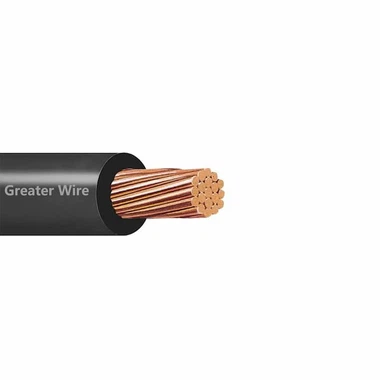
RHH and RHW wires are types of single-conductor electrical cables with copper conductors and XLPE (cross-linked polyethylene) insulation. These wires are commonly referred to as "cable RHH RHW 2" when manufactured to meet RHW-2 temperature ratings.
RHH: Suitable for dry locations, rated up to 90°C.
RHW: Suitable for wet or dry locations, rated up to 75°C.
RHW-2: Enhanced RHW rating, suitable for wet or dry locations and rated up to 90°C.
These cables are flame-retardant, resistant to chemicals and sunlight, and provide excellent thermal and mechanical performance.
Products like RHH RHW General Cable are engineered for long-term reliability, often used in power distribution systems and high-stress environments.
2. RHH/RHW Cable in Branch Circuit Applications
Branch circuits are the final stage of electrical distribution in a building, carrying power from the panelboard to outlets, lights, and equipment. The characteristics of RHH/RHW wires make them well-suited for this application:
High heat resistance ensures reliability even under high electrical loads.
Moisture resistance enables safe installation in damp or wet locations.
Rugged insulation supports use in conduits and raceways where mechanical protection is required.
A typical example is RHH 2AWG, often used to supply heavy-duty equipment or HVAC systems from the panel to the equipment location.
3. Comparison with Other Common Wires (THHN, THWN, XHHW)
Choosing the right wire for a branch circuit often involves comparing alternatives. Below is a comparative snapshot:
| Feature | RHH/RHW | THHN | XHHW |
|---|---|---|---|
| Temperature Rating | Up to 90°C (RHW-2) | Up to 90°C dry | Up to 90°C wet/dry |
| Wet Location Use | RHW/RHW-2 only | THWN version only | Yes |
| Insulation Type | XLPE | PVC/Nylon | XLPE |
| Flame Retardant | Yes | Limited | Yes |
| Durability | High | Moderate | High |
Compared to THHN or XHHW, RHH/RHW offers superior high-temperature and moisture resistance, making them more suitable for demanding installations or outdoor applications.

4. NEC and Building Code Compliance
When wiring branch circuits, compliance with the National Electrical Code (NEC) is essential. NEC Article 310 provides clear guidelines for RHH/RHW usage:
RHH is approved for use in dry locations only.
RHW/RHW-2 is allowed in wet or dry environments.
All types must be installed in raceways, such as conduits, unless otherwise permitted.
Cable RHH RHW 2 varieties like those offered by RHH RHW General Cable meet NEC standards and UL listings, ensuring compliance for both residential and commercial use.

5. Common Sizes and Applications
RHH/RHW cables are available in various sizes, with RHH 2AWG being a common choice for branch circuits supplying large appliances, lighting panels, or industrial motors. Other typical sizes include:
6 AWG – lighting circuits and medium loads
4 AWG – subpanels and larger branch circuits
1 AWG / 2 AWG – high-power equipment, HVAC systems
250 kcmil – service entrance and large industrial feeders
Whether you're installing rhh kabel in a multi-story commercial building or retrofitting a residential system, size selection should be based on ampacity requirements and voltage drop calculations.

6. Installation Considerations
Installing RHH/RHW cables requires attention to detail to ensure safety and performance:
Bend Radius: XLPE insulation is tougher than PVC, so cables are less flexible. Proper bend radius must be maintained.
Raceway Compatibility: RHH/RHW must be installed in approved conduits (EMT, PVC, or rigid).
Termination Hardware: Only use UL-listed terminals rated for use with RHH/RHW insulation types.
Temperature: Ensure installation environments don't exceed rated limits (especially when exposed to direct sunlight or heat sources).
Contractors often choose RHH RHW General Cable products for their superior handling characteristics and compliance certifications.

7. Should You Use RHH/RHW for Branch Circuits?
If you're working in environments with high temperatures, moisture, or exposure to mechanical wear, RHH/RHW cables are an excellent choice. Their rugged design and reliable insulation system make them ideal for:
Industrial and commercial branch circuits
Outdoor or underground installations (with conduit)
High-amperage HVAC systems or equipment feeds
Areas requiring superior fire or chemical resistance
However, in typical residential dry-wall applications, more flexible and cost-effective options like THHN/THWN may be more practical.
8. Frequently Asked Questions
Q1: Can RHH and RHW be used interchangeably?
Not always. RHH is limited to dry locations, while RHW and RHW-2 are suitable for wet conditions.
Q2: Is RHH/RHW cable rated for underground use?
Yes, when installed in conduit and rated as RHW-2, it is approved for underground applications.
Q3: What's the difference between RHW and RHW-2?
RHW-2 is rated for 90°C in wet locations, while RHW is only rated for 75°C.
Q4: Can I use RHH/RHW for service entrance cable?
Yes, especially when high current and weather exposure are factors.
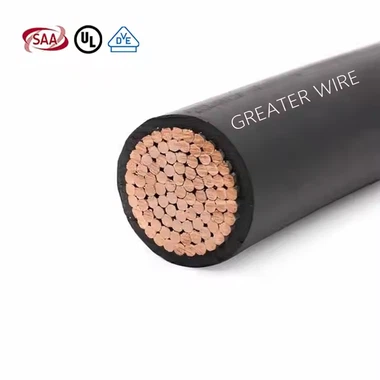
Dongguan Greater Wire & Cable Co., Ltd. has more than ten years of export experience in the Americas, with service networks covering the United States, Canada, Guatemala, the Dominican Republic and many other countries. With a precise grasp of local standards and the advantages of UL certification, we tailor the best solutions for our customers. If you have cable procurement needs, please feel free to contact us, Greater will serve you wholeheartedly.