


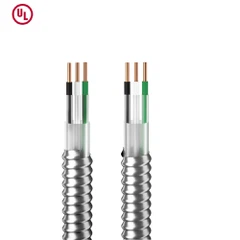
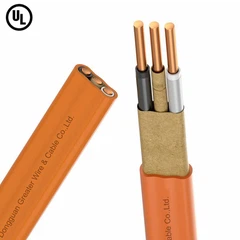
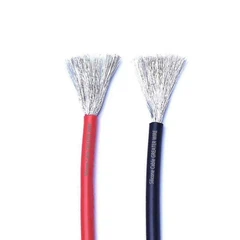
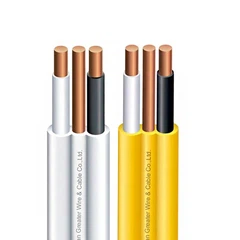
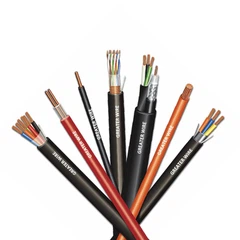
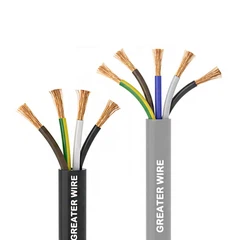
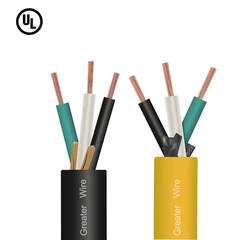
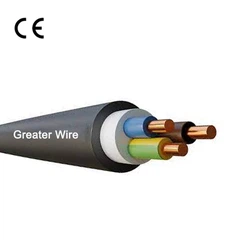
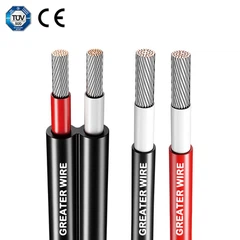

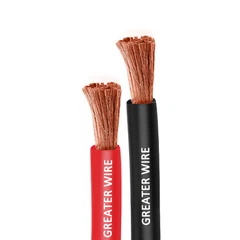
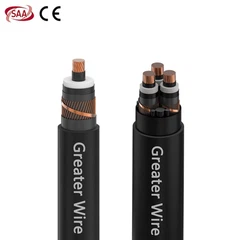
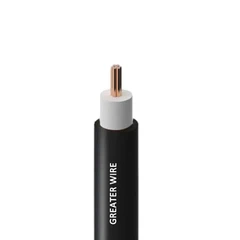
In any electrical system, insulation is one of the most critical elements determining safety, performance, and service life. For building electrical wires, insulation not only prevents electrical leakage and short circuits, but also provides protection against heat, moisture, chemicals, and fire hazards. As a result, electrical standards worldwide classify building wires primarily according to their insulation type, ensuring that each product is used only in suitable environments and installation conditions.
With the evolution of modern buildings-featuring higher power density, intelligent control systems, and tighter installation spaces-the role of insulation has become even more significant. At the same time, the interaction between traditional building wire and flexible cable has increased, especially in building subsystems that require limited movement, vibration tolerance, or compact routing.

Why Insulation Type Is the Primary Classification Criterion
Electrical insulation serves multiple essential functions:
Electrical isolation between conductors and ground
Protection against thermal stress caused by current load
Resistance to environmental factors such as moisture, oil, and chemicals
Fire resistance and flame retardancy
Mechanical protection during installation and service life
Because these functions directly affect safety and compliance, electrical codes such as NEC, UL, IEC, and local building regulations classify building wires mainly by insulation material and structure, rather than by conductor alone.

Major Insulation-Based Classifications of Building Electrical Wires
Building electrical wires are typically divided into thermoplastic-insulated wires, thermoset-insulated wires, and special-purpose insulation types. Each category has distinct performance characteristics and application boundaries.

Thermoplastic-Insulated Building Wires
Overview of Thermoplastic Insulation
Thermoplastic insulation softens when heated and hardens when cooled. This property allows for easy processing and cost-effective manufacturing, making thermoplastic insulation the most widely used type in building wiring.
Common thermoplastic materials include:
PVC (Polyvinyl Chloride)
Nylon (used as an outer protective layer)
Common Thermoplastic Wire Types
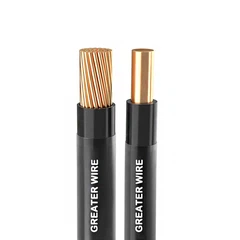
THHN (Thermoplastic High Heat-resistant Nylon-coated)
PVC insulation with nylon jacket
Rated up to 90°C (dry locations)
Excellent abrasion resistance
Common in conduit installations
THWN / THWN-2
Similar to THHN but rated for wet locations
THWN-2 supports 90°C in both wet and dry environments
These wire types dominate residential and commercial construction due to their versatility and cost efficiency.
Advantages and Limitations
Advantages:
Low cost
Easy installation
Wide availability
Good balance of electrical and mechanical properties
Limitations:
Reduced performance at elevated temperatures
Limited resistance to long-term chemical exposure
In applications involving minor movement or vibration, thermoplastic-insulated building wire may sometimes be replaced or supplemented by flexible cable, subject to code approval.

Thermoset-Insulated Building Wires
Overview of Thermoset Insulation
Thermoset insulation undergoes a chemical curing process that permanently sets its structure. Unlike thermoplastics, it does not soften when reheated, offering superior thermal and environmental performance.
Common thermoset materials include:
XLPE (Cross-linked Polyethylene)
EPR (Ethylene Propylene Rubber)
Common Thermoset Wire Types
XHHW / XHHW-2
XLPE insulation
Rated up to 90°C (wet and dry)
Excellent moisture resistance
Low dielectric loss
RHH / RHW / RHW-2
Rubber or rubber-like thermoset insulation
High heat resistance
Strong mechanical durability
These wire types are often used in demanding commercial, industrial, and utility buildings.
Advantages and Limitations
Advantages:
Higher temperature tolerance
Better moisture and chemical resistance
Longer service life in harsh environments
Limitations:
Higher material and installation cost
Slightly stiffer than thermoplastic insulation
In systems requiring both durability and controlled flexibility, thermoset-insulated building wire may be combined with flexible cable for equipment connections.

Special-Purpose Insulation Types
Low-Smoke Zero-Halogen (LSZH) Insulation
LSZH insulation minimizes toxic gas and smoke emission during fire conditions. It is increasingly specified in:
Public buildings
Transportation hubs
High-occupancy areas
LSZH building wires enhance life safety but may have higher material costs.
Fire-Resistant and Mineral-Insulated Wires
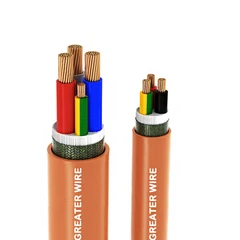
Fire-resistant building wires are designed to maintain circuit integrity during fire exposure. These are commonly used in:
Emergency lighting
Fire alarm systems
Life safety circuits
High-Flexibility Insulation in Building Systems
Although traditional building wire is intended for fixed installation, modern buildings increasingly incorporate flexible cable with specialized insulation for:
HVAC equipment
Elevators and escalators
Building automation systems
These cables use elastomeric insulation such as TPE or special PVC compounds to allow controlled movement.

Relationship Between Insulation Type and Flexible Cable
While insulation-based classification primarily applies to building wire, flexible cable is also categorized by insulation material:
PVC-based flexible cable: economical, general-purpose
PUR-insulated flexible cable: oil- and abrasion-resistant
TPE-insulated flexible cable: high flexibility and durability
In modern buildings, flexible cable often complements building wire, especially where equipment vibration, modular installation, or maintenance access is required.

Typical Application Scenarios by Insulation Type
Residential Buildings
Thermoplastic-insulated wires (THHN/THWN)
Lighting circuits
Outlet wiring
Focus: cost efficiency, code compliance, fire safety.
Commercial Buildings
Combination of thermoplastic and thermoset insulation
Power distribution and control wiring
Data rooms and automation systems
Flexible cable may be used for localized equipment connections.
Industrial and Utility Buildings
Thermoset-insulated building wire (XHHW, RHW)
High-temperature and wet environments
Integration with industrial flexible cable systems
Public and Critical Infrastructure
LSZH and fire-resistant insulation
Hospitals, airports, schools
Emergency and safety circuits

How to Choose the Right Building Wire Based on Insulation Type
Assess Electrical and Thermal Requirements
Key considerations:
Operating voltage
Load current
Maximum conductor temperature
Higher loads typically require higher temperature-rated insulation.
Evaluate Environmental Conditions
Consider:
Dry vs. wet locations
Chemical or oil exposure
Indoor vs. outdoor installation
Thermoset or special insulation may be necessary in harsh environments.
Consider Installation and Maintenance Factors
Conduit space
Bending requirements
Ease of pulling and termination
In confined or vibration-prone areas, flexible cable may offer installation advantages over rigid building wire.
Ensure Code and Standard Compliance
Always verify:
NEC or IEC approval
UL or equivalent certification
Fire and smoke performance requirements
Compliance is essential for legal approval and long-term safety.
Balance Cost and Lifecycle Performance
Lower initial cost does not always mean lower total cost. Insulation type directly affects:
Service life
Maintenance frequency
System reliability

Building electrical wires are primarily classified according to their insulation type, reflecting the insulation's critical role in electrical safety, environmental resistance, and regulatory compliance. Thermoplastic, thermoset, and special-purpose insulation types each serve distinct building environments and performance requirements.
As building systems evolve, the interaction between traditional building wire and flexible cable continues to grow, particularly in automation, HVAC, and intelligent infrastructure. Understanding insulation-based classification enables engineers, designers, and contractors to select the right products, ensure compliance, and build safer, more reliable electrical systems.
Ultimately, the correct insulation choice is the foundation of long-term electrical performance in any building application.
At Dongguan Greater Wire & Cable Co., Ltd., we understand that choosing the right wire and cable solutions is critical to the success and safety of your projects.
Our experienced pre-sales and after-sales teams provide:
Professional technical consultation
Accurate product selection and application guidance
Fast and responsive support throughout the entire project lifecycle
Whether you are working on small-scale installations or large industrial projects, we are committed to delivering reliable solutions and practical support tailored to your specific requirements.
Contact Us
Dongguan Greater Wire & Cable Co., Ltd.
📞 Tel / WhatsApp / WeChat
+86 135 1078 4550
+86 136 6257 9592
📧 Email
manager01@greaterwire.com
We look forward to supporting your next project with quality products, technical expertise, and dependable service.