























1.Understanding XHHW Wire: Types and Applications
Before diving into the stripping process, let's clarify what makes XHHW wire unique.
XHHW Wire Basics:
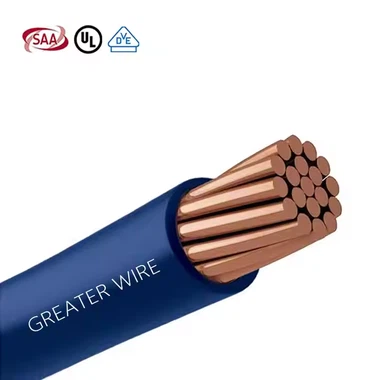
XHHW stands for "Cross-Linked Polyethylene High Heat-Resistant Water-Resistant." It features a thermoset insulation rated for up to 90°C in dry conditions and 75°C in wet environments. Common applications include industrial wiring, commercial buildings, and outdoor installations.
Key Variations:
1AWG XHHW 1000V: A heavy-duty wire designed for high-voltage applications, often used in power distribution and large machinery.
XHHW Tray Cable: A multi-conductor cable approved for use in cable trays, ideal for industrial and utility settings.
4AWG XHHW: A mid-sized conductor suitable for feeder circuits and subpanels.
XHWN Wire: Similar to XHHW but with a nylon jacket for enhanced moisture resistance.
2.Tools Required for Stripping XHHW Wire
Using the right tools ensures precision and minimizes damage to the conductor. Here's what you'll need:
Wire Strippers:
Manual strippers with adjustable blades (e.g., Klein Tools or Ideal Stripmaster) work well for 4AWG XHHW and smaller gauges.
For 1AWG XHHW 1000V, use ratcheting cable strippers or a rotary tool with a stripping attachment.
Utility Knife or Cable Slitter:
Ideal for XHHW tray cable to score the outer jacket without nicking inner conductors.
Heat Gun:
Softens insulation on XHWN wire, making it easier to strip.
Safety Gear:
Gloves, safety glasses, and flame-resistant clothing.
3.Step-by-Step Guide to Stripping XHHW Wire
Follow these steps to strip insulation safely and efficiently:
3.1 Measure and Mark
Identify the required strip length based on the terminal or connector specifications. For 1AWG XHHW 1000V, a 1.5-inch strip is typical. Use a marker to avoid mistakes.
3.2 Score the Insulation
For Single Conductors (e.g., 4AWG XHHW):
Adjust your wire stripper's blade depth to match the insulation thickness. Position the tool perpendicular to the wire and apply steady pressure to score the insulation. Avoid cutting into the conductor.
For XHHW Tray Cable:
Use a cable slitter to cut through the outer jacket. Rotate the cable 180° and repeat to ensure a clean cut.
3.3 Remove the Insulation
Manual Strippers:
Squeeze the handles and pull the insulation away. For thicker wires like 1AWG XHHW 1000V, rock the stripper gently to avoid snapping the tool.
Rotary Tools:
Attach a stripping blade and set the depth. Slowly rotate the tool around the wire for a uniform cut.
3.4 Inspect the Conductor
Check for nicks, burrs, or exposed strands. Damaged conductors can lead to hotspots or arcing, especially in high-voltage applications.
3.5 Trim Excess Material (if needed)
Use lineman's pliers or a utility knife to clean up jagged edges on XHWN wire or tray cable.

4.Common Mistakes to Avoid
Overstripping: Removing too much insulation weakens the wire's structural integrity.
Understripping: Insufficient exposure prevents proper contact in terminals.
Using Dull Blades: Torn insulation increases the risk of conductor damage.

5.Special Considerations for XHHW Variants
1AWG XHHW 1000V:
Due to its thick insulation, use a ratcheting stripper or a rotary tool. Pre-heat the insulation with a heat gun for cleaner cuts.
XHHW Tray Cable:
Always strip the outer jacket first, then individual conductors. Avoid over-tightening tools to prevent crushing the cable.
XHWN Wire:
The nylon jacket requires sharper blades. Score lightly to avoid slicing into the inner insulation.

6.Why Proper Stripping Matters for SEO and Safety
For a wire and cable website targeting keywords like 1awg xhhw 1000v or xhhw tray cable, this guide not only drives organic traffic but also establishes your brand as a trusted resource. Proper stripping techniques reduce installation failures, ensuring customer satisfaction and repeat business.
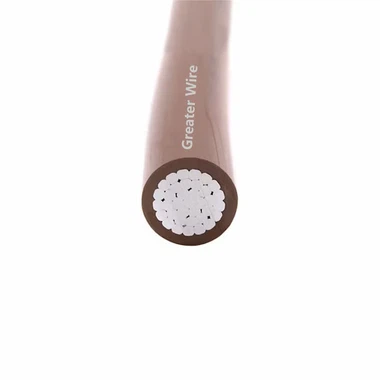
Dongguan Greater Wire & Cable Co., Ltd.'s scale and certification advantages are very attractive in the US market. Our production scale is large and the production process is standardized. Our products have passed UL83, UL44, UL719, UL493 UL1277 and other certifications, and the safety performance is guaranteed. The R&D team continues to optimize the products. In terms of price, we provide competitive quotations to US customers with scale effects and cost control, and we are a good choice for your project.