

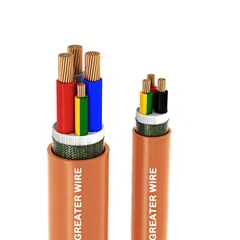
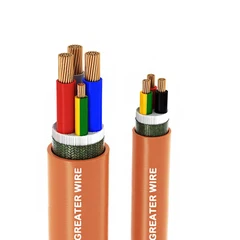

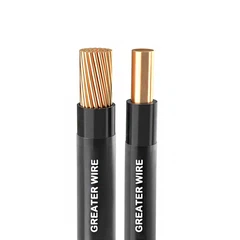
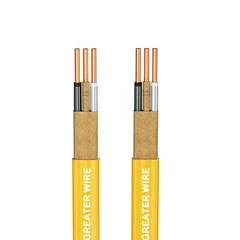
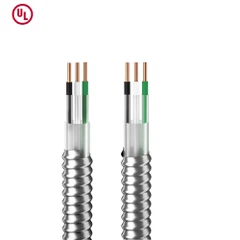
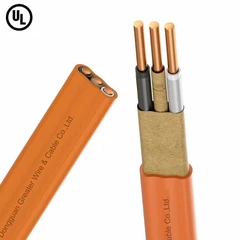

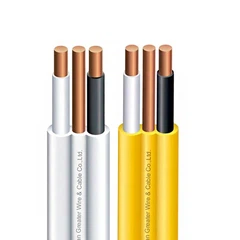
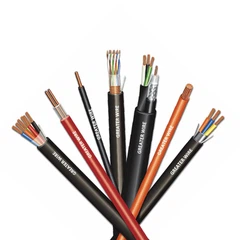
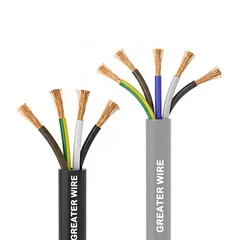
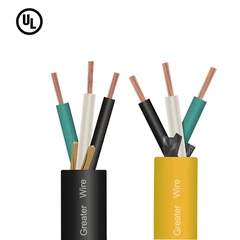
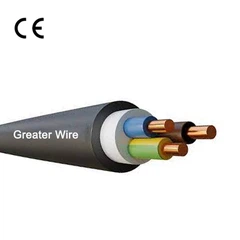
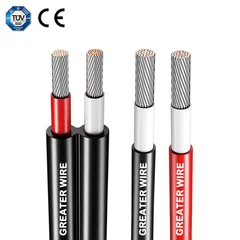

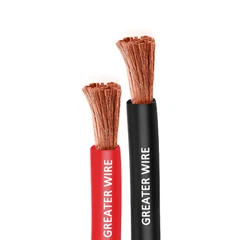
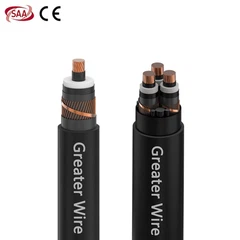
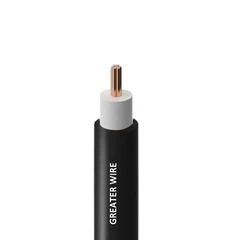
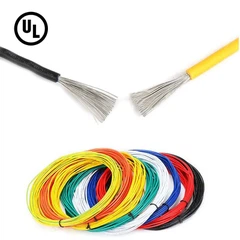
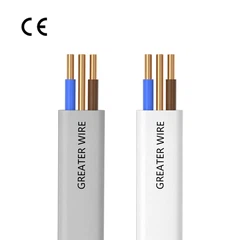
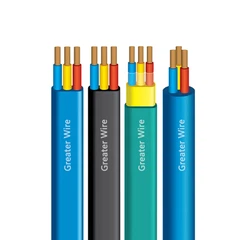
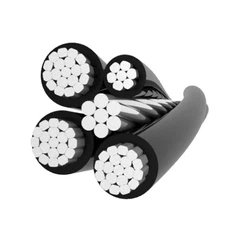
Ambient temperature affects TC-ER cable sizing by changing how much heat a conductor can dissipate safely. When the surrounding temperature rises, the allowable current may decrease, requiring an engineer to reassess conductor size, insulation temperature rating, and installation conditions. For Power Tray Cable used in industrial facilities, selecting a cable based on its nominal wire size alone can lead to an incorrect ampacity assessment. The correct approach is to start with the cable's documented ratings, apply the temperature correction and any other required code adjustments, and verify that the final selection meets the project's electrical requirements.

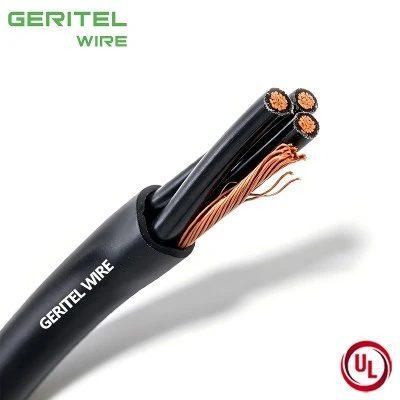
Why Does Ambient Temperature Affect Cable Ampacity?
When current flows through a conductor, electrical resistance generates heat. The cable must release that heat to its surroundings while keeping the conductor within its permitted operating temperature.
At a standard reference ambient temperature, an applicable ampacity table provides a starting point for conductor selection. If the actual ambient temperature is higher, the cable may have less capacity to dissipate heat. The allowable current must then be evaluated using the appropriate temperature correction requirements.
Ambient temperature is not always the same as the outdoor weather temperature. A cable installed near a furnace, inside a hot enclosure, above a sun-exposed roof, or alongside other heat-producing equipment may experience a different thermal environment from the surrounding general workspace.
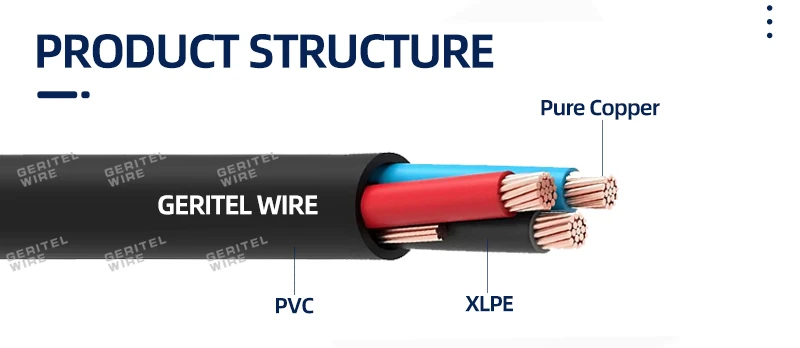
How Is Ampacity Adjusted for Higher Ambient Temperatures?
For North American installations, the applicable edition of the National Electrical Code (NEC) provides rules for correcting conductor ampacity when ambient temperature differs from the table's reference conditions. The precise table and requirements depend on the adopted code edition and installation.
Under the 2023 NEC correction factors based on a 30°C (86°F) reference ambient, a 90°C-rated conductor has a temperature correction factor of 0.91 at an ambient temperature of 36–40°C. This means the table ampacity is multiplied by 0.91 for that temperature condition, subject to the applicable code rules. The factor is not a universal rating for every TC-ER cable or every installation.
The basic relationship is:
Temperature-corrected ampacity = Table ampacity × Applicable temperature correction factor
This calculation is only one part of conductor sizing. Other applicable adjustment factors, terminal temperature limitations, product restrictions, and circuit requirements must also be considered. A 90°C insulation rating does not automatically permit the final circuit to operate at the ampacity shown in the 90°C column.
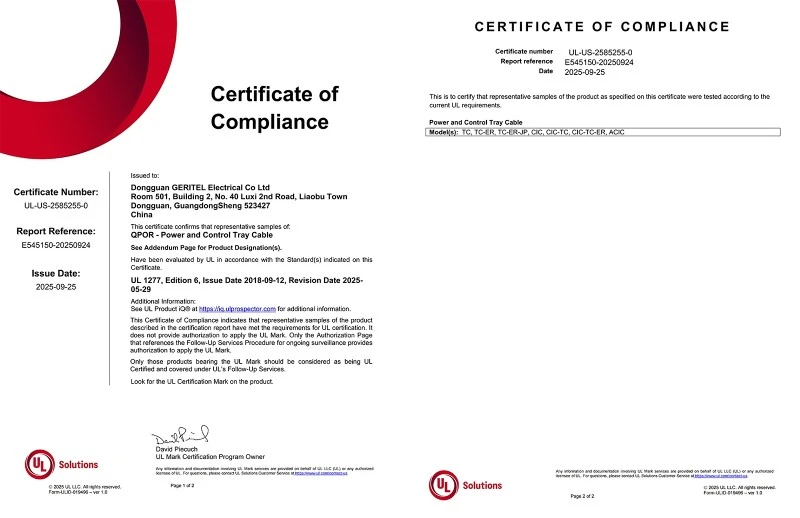
Which Cable Sizing Factors Should Buyers Check?
Ambient temperature is important, but it is not the only variable that determines the final conductor selection.
|
Factor |
Why it matters |
What to verify |
|---|---|---|
|
Ambient temperature |
Higher temperatures can reduce allowable ampacity |
Expected temperature at the cable installation location |
|
Conductor size and material |
Affect electrical resistance and heat generation |
AWG or mm² size and copper or aluminum construction |
|
Insulation temperature rating |
Determines the applicable conductor temperature limit |
Exact product marking and documented rating |
|
Current-carrying conductors |
Multiple loaded conductors can increase heat buildup |
Conductor count and applicable adjustment rules |
|
Installation method |
Changes thermal conditions and applicable code requirements |
Tray, exposed run, conduit, or another permitted method |
|
Terminations |
Equipment terminals can limit allowable conductor temperature |
Terminal ratings and applicable electrical code provisions |
These factors should be assessed together. Increasing conductor size may be one solution when ampacity is insufficient, but the engineer must also consider the installation method, applicable code, and other circuit design requirements.

Does Wire Size Alone Determine the Correct Cable?
No. Consider a project specifying 8 AWG Tray Cable. The nominal conductor size is only one input to the sizing decision. The engineer must still confirm the conductor material, insulation temperature rating, operating ambient temperature, conductor arrangement, and applicable ampacity rules.
A cable with a 90°C conductor rating may allow a different temperature correction calculation from one with a lower rating. However, that does not mean the 90°C rating always produces the highest permissible circuit ampacity. Terminal limitations and other applicable requirements can determine which value may actually be used.
For procurement teams, this means an 8 AWG designation should not be treated as a complete electrical specification. Request the exact product datasheet and confirm that the published ratings suit the intended installation.
What Do TC-ER and TC Mean for Installation?
Understanding the TC-ER Cable Exposed Run Meaning helps buyers assess whether a product is suitable for the planned wiring method.
TC means Tray Cable, while ER means Exposed Run. TC-ER cable can be used in qualifying exposed-run applications when the cable marking and installation comply with the applicable requirements. It is not unrestricted permission to install cable in every exposed environment.
The practical TC-ER vs TC Cable Difference is that the ER marking indicates suitability for qualifying exposed-run use under the relevant requirements. Buyers should verify the exact cable marking, applicable certification, and installation rules rather than assume every Type TC cable has the same permissions.
Ambient temperature remains a separate consideration: an installation method permitted by the cable listing does not remove the need to evaluate ampacity under actual operating conditions.
What About TC-ER Cable for Industrial Automation?
TC-ER Cable for Industrial Automation may be considered for qualifying power and control wiring around machinery, production equipment, and industrial systems. Suitability depends on the cable's construction, electrical ratings, environmental properties, and the installation requirements for the particular application.
Facilities with high ambient temperatures deserve special attention. Cable routed near motors, heaters, process equipment, or densely arranged wiring may need a more detailed thermal assessment. Buyers should also verify any required oil resistance, sunlight resistance, wet-location rating, or other environmental properties from the exact product documentation.
When sourcing from a Bulk TC-ER Cable Supplier, request documentation that identifies the cable model and its ratings. Confirm that the quoted product meets the project's electrical and installation requirements instead of relying solely on a general description or nominal conductor size.
How Can Buyers Avoid Cable Sizing Mistakes?
Before approving a specification or purchase order, confirm the following:
The expected ambient temperature along the cable route.
The conductor material, size, and insulation temperature rating.
The applicable ampacity table and temperature correction requirements.
Any additional conductor-count adjustment or installation-specific rules.
The equipment terminal limitations and circuit design requirements.
The product's certification, markings, and environmental ratings for the target market.
NEC-based methods should not automatically be substituted for IEC or AS/NZS requirements. Projects in other markets must follow the standards and regulations applicable to their location and installation.
Discuss Your Power Tray Cable Requirements with GERITEL WIRE
Choosing Power Tray Cable for a temperature-sensitive installation requires a clear understanding of conductor sizing, insulation ratings, and the environment in which the cable will operate. GERITEL WIRE welcomes inquiries from distributors, contractors, OEMs, and procurement teams evaluating cable specifications for industrial projects. Share your intended application, conductor size, operating temperature, installation method, and target-market requirements so the relevant product documentation can be reviewed. Confirming these details before ordering helps buyers identify specification gaps and make more informed cable selections. Final conductor sizing should be verified by the responsible electrical engineer against the applicable code and project conditions.
Dongguan Greater Wire & Cable Co., Ltd.
Tel/WhatsApp/Wechat: +86 136 6257 9592
Tel/WhatsApp/Wechat: +86 135 1078 4550
Email: manager01@greaterwire.com
Website: www.greaterwire.com