

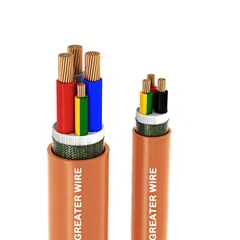
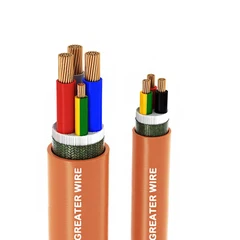

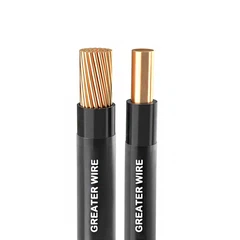
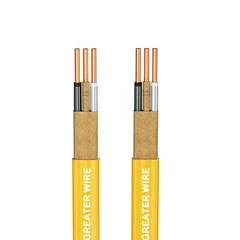
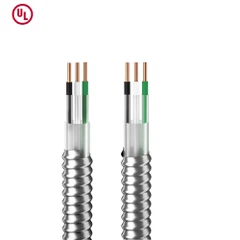
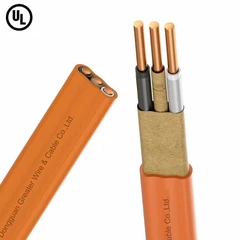
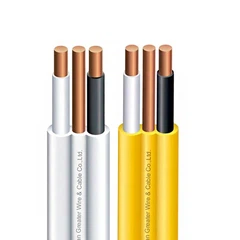
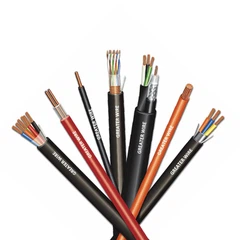
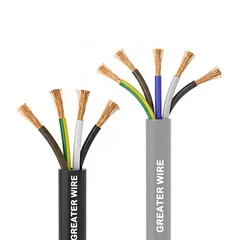
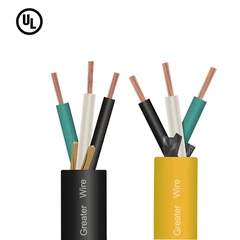
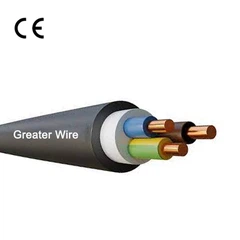
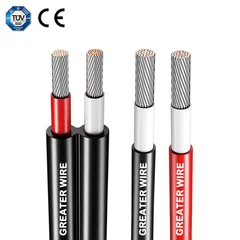

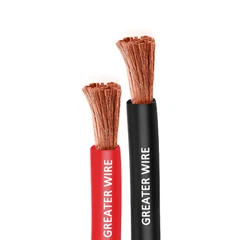
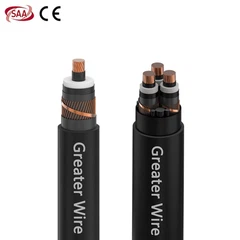
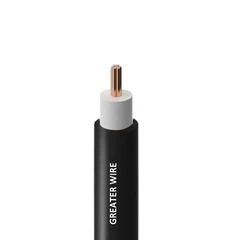
TC-ER Cable ampacity depends on conductor size and material, insulation temperature rating, installation conditions, and applicable electrical code requirements. The correct value is not simply the highest current listed for a given wire size. It must match the cable construction, operating environment, and installation method.
For B2B buyers and project engineers, the key is to understand the conditions behind a published ampacity value and confirm that they match the project. A cable's temperature rating alone is not enough to determine its allowable current.

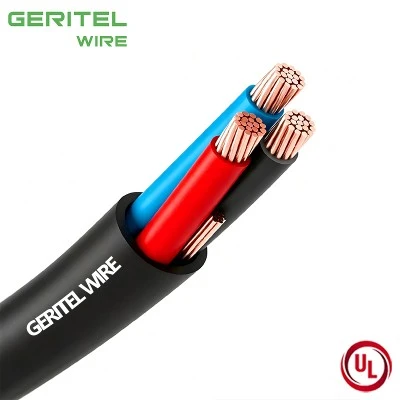
What Does Ampacity Mean for TC-ER Cable?
TC stands for Tray Cable, and ER stands for Exposed Run. Type TC-ER cable is used in industrial power and control applications where the cable and installation meet applicable requirements.
Ampacity is the allowable current-carrying capacity under defined conditions. Current flowing through a conductor generates heat, and the cable must dissipate that heat without exceeding its permitted conductor temperature. The resulting ampacity depends on more than conductor size.
Voltage rating, temperature rating, and ampacity describe different properties. A cable's voltage rating does not establish its current capacity, and a higher insulation temperature rating does not automatically permit a higher ampacity in every installation.

Which Factors Determine TC-ER Cable Ampacity?
Conductor Material and Size
Conductor material and cross-sectional area affect electrical resistance and heat generation. Copper and aluminum have different electrical characteristics, so the ampacity must correspond to the actual conductor material and size.
When comparing cables, verify the AWG or mm² size, conductor material, and number of conductors. Two cables with the same nominal conductor size may have different allowable ampacities because their temperature ratings, constructions, or installation conditions differ.
Insulation and Temperature Rating
Insulation affects the maximum conductor temperature permitted by the cable's design and applicable requirements. XLPE (cross-linked polyethylene) is used in many power cable constructions. XHHW and XHHW-2 are conductor insulation designations; they should not be treated as interchangeable with the complete TC-ER cable type.
A 90°C XHHW Cable may have a 90°C conductor temperature rating when confirmed by the product marking and applicable requirements. However, that rating does not automatically authorize use of the 90°C ampacity column in every installation. Terminal temperature limitations and other code provisions may restrict the final allowable current.
For a product described as XLPE XHHW Cable, verify the exact insulation designation and construction in the manufacturer's documentation rather than inferring them from a general product description.
Ambient Temperature and Cable Arrangement
Ambient temperature affects how readily a cable releases heat. Higher temperatures can require ampacity correction. The number of current-carrying conductors and the way cables are grouped can also trigger adjustment requirements under the applicable code.
Cable tray, conduit, and other wiring methods may have different requirements. Apply the rules relevant to the actual wiring method rather than assuming that one published ampacity applies everywhere.
How Do Standards Affect Ampacity?
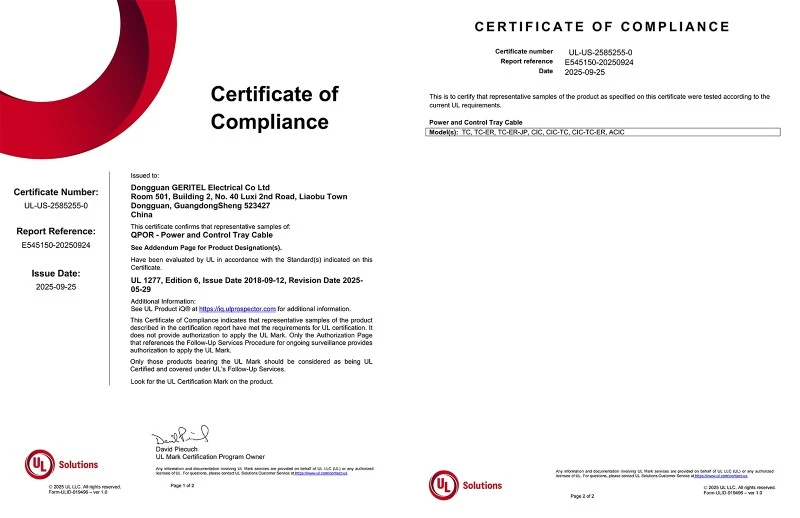
In North American projects, UL 1277 covers electrical power and control tray cables, while NEC Article 336 addresses installation requirements for Type TC cable. Product certification and installation rules serve different purposes: product requirements relate to the cable's construction and ratings, while the adopted electrical code governs how it may be installed. UL 1277 also specifies that cable intended for direct burial is marked accordingly.
.
Ampacity tables and adjustment or correction factors must be applied according to the relevant code edition and installation conditions. If a manufacturer publishes a value based on an NEC ampacity table, check the cited table, assumptions, and applicable terminal limitations before using it for circuit design.
For projects using IEC methods, IEC 60287-1-1:2023 provides equations for steady-state cable current ratings and loss calculations. The method considers cable construction and surrounding thermal conditions. NEC table values and IEC-based calculations should not be treated as directly interchangeable.
.

Do Installation Conditions Change the Ampacity Assessment?
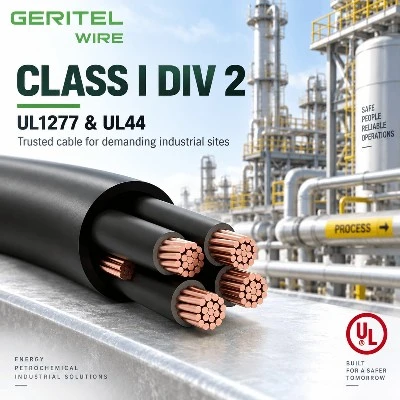
Yes. The permitted wiring method and the cable's environmental ratings must match the project.
If a project requires a Direct Burial Tray Cable, verify that the exact cable model is marked or documented as suitable for direct burial and that the installation complies with the applicable code and project requirements. A TC-ER designation alone does not establish direct-burial suitability. Soil thermal conditions and the installation design may also affect current-rating calculations.
Similarly, sunlight resistance, wet-location suitability, and other environmental properties must be confirmed from the specific product documentation. One environmental rating does not automatically establish another.
How Should Buyers Verify a Cable's Ampacity?
Before approving a cable specification or quotation, ask the supplier for documentation covering:
Product identity: Exact model, cable type, voltage rating, and applicable certification.
Conductor details: Material, size, and number of current-carrying conductors.
Insulation rating: Designation and permitted conductor temperature.
Ampacity basis: Referenced standard or code edition, table or calculation method, and underlying conditions.
Installation requirements: Ambient temperature, cable arrangement, wiring method, and applicable correction or adjustment factors.
Environmental suitability: Evidence for any required direct-burial, sunlight-resistance, or wet-location rating.
These checks help buyers compare Industrial Power Cable options on a consistent basis. They also reduce the risk of selecting a product using an ampacity figure that does not apply to the intended installation.
Discuss Your TC-ER Cable Requirements with GERITEL WIRE
Selecting TC-ER cable starts with matching the required electrical rating and installation conditions to the exact product specification. GERITEL WIRE welcomes inquiries from distributors, OEMs, contractors, and procurement teams evaluating cable requirements. When contacting us, provide the intended application, conductor size and material, number of cores, operating environment, target market, and required certifications. These details help identify the product information that needs review before an order is placed. For project-specific decisions, confirm the final cable selection and ampacity with the responsible electrical engineer and the requirements adopted for the installation.
Dongguan Greater Wire & Cable Co., Ltd.
Tel/WhatsApp/Wechat: +86 136 6257 9592
Tel/WhatsApp/Wechat: +86 135 1078 4550
Email: manager01@greaterwire.com
Website: www.greaterwire.com