

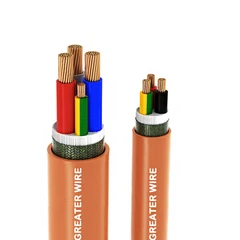

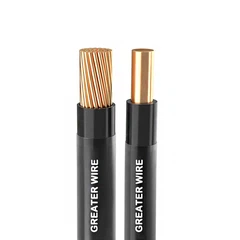
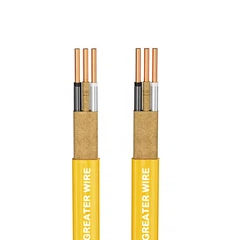
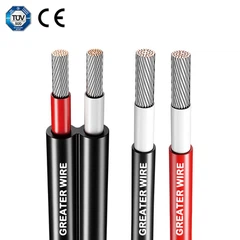

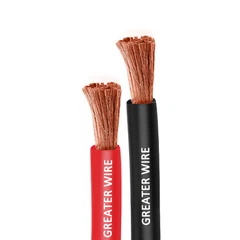
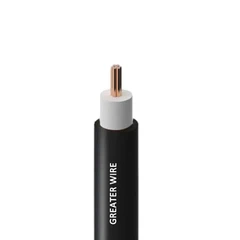
As the global demand for clean energy continues to grow, solar power has become an important renewable energy source. In photovoltaic power generation systems, solar cables play a key role. They are responsible for safely and stably transmitting the electricity generated by solar panels to inverters, energy storage systems or power grids. In order to ensure the long-term stability of power transmission, solar cables must maintain excellent performance under various environmental conditions, especially in humid or high humidity environments. As a new type of solar cable, H1Z2Z2-K cable performs particularly well in high humidity environments and has excellent moisture resistance.

1. Challenges of high humidity environment to solar cables
Solar cables are used in outdoor environments for a long time and must be able to withstand a variety of harsh environmental conditions, among which high humidity is one of the most common and challenging factors. High humidity environments may include the following situations:
High humidity: The moisture content in the air is high, especially in coastal areas, tropical and subtropical areas, and moisture accumulation will have a long-term impact on the cable.
Frequent precipitation: Frequent rainfall or haze weather will cause the outer layer of the cable to come into contact with a large amount of moisture. Long-term exposure to moisture may damage the insulation layer of the cable.
Humid and stagnant water environment: There may be stagnant water or perennially wet soil in a humid environment. This moisture penetrates into the cable, causing the electrical performance of the cable to deteriorate, and in severe cases may cause electrical failures.
Under these environmental conditions, the outer sheath and insulation layer of the cable must have sufficient waterproof and moisture-proof functions to prevent the intrusion of moisture from causing cable aging, short circuits or electrical accidents. Therefore, the moisture resistance of solar cables in high humidity environments has become one of the important indicators for measuring their performance.

2. Moisture-proof properties of H1Z2Z2-K cables
H1Z2Z2-K cable is a high-performance solar cable designed for outdoor photovoltaic systems. Its materials and design fully consider the needs of moisture resistance and water penetration resistance, and can perform well in high humidity environments. The moisture-proof performance of H1Z2Z2-K cables is mainly reflected in the following aspects:
2.1 Material selection
The outer sheath of H1Z2Z2-K cable uses **cross-linked polyethylene (XLPE)** material, which has strong moisture resistance. XLPE material forms a strong mesh structure through cross-linking reaction, which can effectively isolate the penetration of moisture, thereby ensuring the long-term stability of the cable in a humid environment. In addition, the cross-linked polyethylene material itself has excellent anti-aging ability, can withstand ultraviolet radiation and thermal expansion, and is not easy to deform, age or crack, thereby extending the service life of the cable.
2.2 Waterproofness of the outer sheath
The outer sheath of the H1Z2Z2-K cable adopts a special waterproof design, which enables it to effectively block the intrusion of external moisture. Whether in an environment with frequent rain or in a long-term wet area, the outer sheath of the cable can effectively prevent moisture from penetrating into the cable. The waterproof function ensures that the cable can still maintain good electrical insulation performance and mechanical strength when exposed to a humid environment for a long time.
2.3 Moisture-proof performance of the insulation layer
The insulation layer inside the cable is made of high-quality materials, which can effectively prevent moisture from eroding the conductor. For electrical equipment, moisture penetration may cause insulation performance to deteriorate, and even cause short circuits or electrical fires. The H1Z2Z2-K cable was designed with this in mind. By selecting moisture-proof insulation materials, the cable is protected from moisture in a humid environment, thereby ensuring the stable operation of the photovoltaic system.
2.4 Sealing of structural design
In addition to the material selection of the outer sheath and insulation layer, the structural design of the H1Z2Z2-K cable also helps to enhance its moisture-proof performance. Each layer in the cable design is carefully sealed to ensure that moisture cannot penetrate into the cable. In addition, the cable connectors and ports are waterproof to prevent moisture from invading through the connector position, further enhancing the durability of the cable in high humidity environments.

3. Application scenarios of H1Z2Z2-K cables in high humidity environments
With its excellent moisture-proof properties, the H1Z2Z2-K cable can operate stably in various high humidity environments and is suitable for the following typical application scenarios:
3.1 Coastal and humid areas
In coastal areas, the air humidity is usually high due to the influence of sea breeze and salt spray, which can cause corrosion of the cable outer sheath and conductors. H1Z2Z2-K cable has strong moisture resistance and salt spray corrosion resistance, and is suitable for use in photovoltaic systems in these areas. H1Z2Z2-K cable can maintain excellent performance in both high humidity environments and wet conditions after heavy rain.
3.2 Tropical and subtropical regions
The climate in tropical and subtropical regions is warm and humid, and the air humidity is high. Cables are easily damaged in long-term humid environments. The moisture-proof design of H1Z2Z2-K cable can effectively prevent moisture penetration and ensure the normal operation of photovoltaic systems in these areas. In addition, the high temperature resistance of H1Z2Z2-K cable also enables it to maintain stable performance in high temperature environments in these areas.
3.3 Mountainous and rainy areas
The weather in mountainous and rainy areas is characterized by heavy precipitation and high humidity, and cables need to face frequent heavy rain and humid weather. H1Z2Z2-K cable can work continuously and stably in these areas through the waterproof and moisture-proof design of its outer sheath, avoiding damage to the cable insulation layer due to moisture and ensuring the efficient operation of the photovoltaic system.
3.4 Photovoltaic systems near water bodies
Near water bodies, such as lakes, rivers or wetlands, the air humidity is high, and there is often accumulation of water vapor and dew. These environments are very likely to cause the cable to get damp or even corrode. The moisture-proof and waterproof properties of the H1Z2Z2-K cable enable it to cope with the challenges in these environments and ensure safe operation in areas with heavy humidity.

4. The impact of the moisture-proof performance of the H1Z2Z2-K cable on the safety of the photovoltaic system
The moisture-proof performance of the solar cable directly affects the overall safety and stability of the photovoltaic system. If the cable is unstable in a humid environment, the following problems may occur:
Electrical failure: The intrusion of moisture may cause a short circuit or poor contact inside the cable, thereby affecting the power output of the photovoltaic system.
Degradation of insulation performance: Moisture in a humid environment will corrode the insulation layer of the cable, reduce insulation resistance, and increase the risk of electrical failure.
Accelerated cable aging: A long-term humid environment may cause aging of the cable outer sheath material and reduce the service life of the cable.
The H1Z2Z2-K cable can avoid these problems through its excellent moisture-proof design. The moisture-proof capability of the cable ensures the stability of the cable in high humidity environments, thus guaranteeing the long-term safe operation of the photovoltaic system.