



1. Fundamentals of XHHW Wire and Its Insulation
XHHW wire features a cross-linked polyethylene (XLPE) insulation layer, known for its superior dielectric strength, heat resistance (rated up to 90°C in dry conditions and 75°C in wet environments), and resistance to moisture, chemicals, and abrasion. The insulation thickness is standardized under specifications such as UL 44 and NEC Article 310, ensuring consistency across applications like XHHW-2 tray cable and XHHW building wire.
Key Specifications:
XHHW-2 Wire Specification: Requires a minimum insulation thickness to withstand 600V ratings, with precise measurements defined by UL standards.
XHHW Conductors: Typically copper or aluminum, sized from 14 AWG to 2000 kcmil, paired with insulation optimized for current capacity and environmental stressors.
2. Impact of Insulation Thickness on Electrical Performance
The insulation layer serves as the primary barrier against electrical faults. Thicker insulation enhances dielectric strength, reducing the risk of short circuits and leakage currents.
Voltage Withstand Capacity:
Increased insulation thickness improves voltage endurance, critical for high-voltage applications like XHHW-2 underground installations, where soil moisture and contaminants pose risks. Studies on thermal insulation coatings in mining roadways highlight how material thickness reduces heat-induced degradation, a principle applicable to XLPE's thermal stability.
Corona Resistance:
Research on nano TiO₂-filled insulation materials demonstrates that thicker layers mitigate corona discharge by redistributing electric fields. While XHHW uses XLPE rather than nanocomposites, the principle underscores the importance of adequate insulation thickness in high-stress environments.

3. Thermal Management and Heat Dissipation
XLPE's cross-linked structure inherently resists thermal degradation, but insulation thickness further modulates heat dissipation.
Thermal Conductivity:
Thicker insulation slows heat transfer from conductors to the environment, which can be advantageous in high-temperature settings. However, excessive thickness might trap heat, necessitating a balance. For XHHW-2 tray cable in industrial settings, optimal thickness ensures compliance with NEC ampacity tables while preventing overheating.
Fire Safety:
Insulation thickness influences flame retardancy. Tests on materials like mPPE thermoplastic (used in Alpha Wire's EcoWire) show that thicker, non-halogenated insulation reduces flame spread. Although XHHW uses XLPE, similar logic applies: adequate thickness enhances fire resistance, aligning with building codes for XHHW building wire.

4. Mechanical Durability and Environmental Resistance
Thicker insulation provides robust protection against physical damage and environmental factors, especially in harsh installations.
Abrasion and Impact Resistance:
For XHHW-2 underground applications, insulation must withstand backfill pressures and abrasion from rocks. Comparative studies on roadway thermal coatings reveal that thicker layers improve mechanical resilience, a finding relevant to underground XHHW installations.
Moisture and Chemical Resistance:
XLPE's moisture resistance is amplified with thicker insulation, critical for wet locations. The encapsulation effect mirrors findings in mine roadway coatings, where increased material thickness prevents water ingress and chemical corrosion.

5. Compliance and Application-Specific Requirements
Insulation thickness must align with regulatory standards and application demands.
Standards and Certifications:
UL 44: Mandates minimum thickness based on conductor size and voltage rating.
NEC Article 310: Dictates derating factors for bundled or tray-mounted cables like XHHW-2 tray cable, where insulation thickness affects heat dissipation and ampacity.
Underground vs. Overhead Installations:
XHHW-2 underground wires often require thicker insulation to combat soil acidity and mechanical stress, whereas tray cables prioritize flexibility, necessitating a balance between thickness and bend radius.

6. Case Studies and Industry Applications
Industrial Complexes:
Thicker-insulation XHHW wires in tray configurations reduce maintenance costs by resisting vibration and thermal cycling.
Renewable Energy Projects:
Solar farms use XHHW conductors with optimized insulation thickness to handle DC voltage surges and UV exposure.

7. Future Trends and Innovations
Advancements in materials science, such as nanocomposite insulation (as seen in nano TiO₂ research), could allow thinner yet stronger layers. Meanwhile, sustainability initiatives may drive demand for recyclable insulation akin to Alpha Wire's EcoWire.

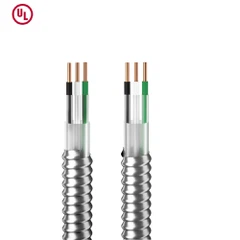
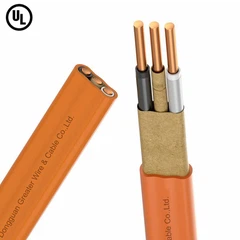
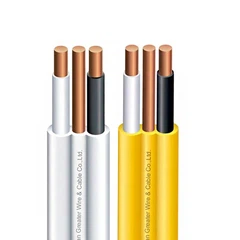
Dongguan Greater Wire & Cable Co., Ltd. provides high-quality XHHW WIRE and MC CABLE, which are UL certified (UL44, UL66, UL1063, UL1277, etc.) and can be used in high humidity, high temperature, and high-intensity load environments. Our cables have high durability, excellent mechanical properties, and super anti-interference capabilities, and are widely used in commercial, industrial, infrastructure, and residential projects. We have the world's leading production technology and a 50,000 square meter modern factory to ensure efficient production and stable supply. We offer competitive prices and professional customization services to help you improve your market competitiveness! Welcome to consult for a quote!