



1. Understanding XHHW Wire: Composition and Standards
What Is XHHW Wire?
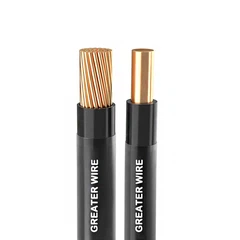
XHHW (Cross-Linked Polyethylene High Heat-Resistant Water-Resistant) wire is a type of building wire designed for both dry and damp environments. The "XHHW-2" designation indicates an upgraded version rated for higher temperatures (up to 90°C in wet conditions and 150°C in dry conditions) and improved performance. Key components include:
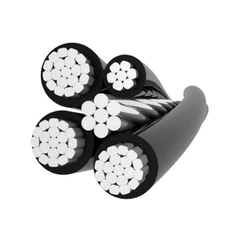
Conductor Material: Typically aluminum or copper. Aluminum XHHW-2 wires, such as those listed on eBay (e.g., 2/0 AWG Aluminum XHHW-2 rated for 150A and 600V), are lightweight and cost-effective, while copper variants (e.g., 350 MCM Copper XHHW-2) offer superior conductivity.
Insulation: Cross-linked polyethylene (XLPE), a thermoset material known for its resistance to heat, abrasion, and chemicals.
Voltage Ratings: XHHW-2 1000V vs. XHHW-2 600V
XHHW-2 wires are available in two primary voltage grades:
600V: Commonly used in residential and commercial installations. For example, 4 AWG Aluminum XHHW-2 Building Wire (75A rating) is ideal for conduit applications.
1000V: Suited for industrial and high-voltage environments, offering enhanced safety margins for heavy machinery and power distribution systems.
2. Performance Advantages of XHHW-2 Wire
Durability and Safety
Heat Resistance: XLPE insulation withstands extreme temperatures, reducing the risk of insulation degradation. This is critical for applications like XHHW-2 tray cable, which is often installed in cable trays exposed to fluctuating thermal conditions.
Chemical and Moisture Resistance: XHHW-2 insulation resists oil, sunlight, and humidity, making it suitable for outdoor and industrial settings.
Longevity: Aluminum XHHW-2 wires, such as 300 MCM variants (260A rating), are engineered for decades of reliable service.
Electrical Efficiency
Low Voltage Drop: Copper XHHW-2 wires, like the 350 MCM Copper XHHW-2, minimize energy loss over long distances.
Flexibility: Stranded designs (e.g., 37-strand 350 MCM) simplify installation in tight spaces.

3. Recyclability of XHHW Wire: Challenges and Opportunities
Material Recovery Potential
Copper and Aluminum Conductors: Both metals are 100% recyclable. Copper, in particular, retains 95% of its value post-recycling, incentivizing recovery from scrap XHHW-2 copper wire. Aluminum recycling consumes only 5% of the energy required for primary production, making it an eco-friendly choice.
XLPE Insulation: While technically recyclable, XLPE poses challenges due to its thermoset properties. Mechanical recycling (grinding into filler material) and pyrolysis (thermal decomposition) are emerging solutions, though widespread infrastructure remains limited.
Barriers to Recycling
Separation Complexity: Insulation must be stripped from conductors, a labor-intensive process.
Contamination Risks: Residual chemicals or mixed materials (e.g., PVC jackets in some XHHW-2 tray cables) complicate recycling streams.
Regulatory Gaps: Inconsistent global standards for wire recycling hinder large-scale recovery efforts.
Industry Initiatives
Manufacturer Partnerships: Companies like Nassau National Cable® (seller of 2/0 AWG Aluminum XHHW-2) emphasize sustainable practices, including take-back programs for end-of-life wires.
Certifications: Compliance with RoHS and IECEx standards ensures eco-friendly production processes.

4. Applications Driving Demand for XHHW-2
Industrial Power Distribution
600V Systems: Widely used in HVAC, lighting, and machinery. For example, 1/0 AWG Aluminum XHHW-2 (135A rating) supports medium-load circuits.
1000V Systems: Essential for solar farms and data centers, where high voltage minimizes transmission losses.
Commercial and Residential Uses
Tray Cable Installations: XHHW-2 tray cable simplifies wiring in commercial complexes, leveraging its crush resistance and flexibility.
Underground Feeds: Moisture-resistant XLPE insulation makes it ideal for direct burial applications.

5. Sustainability Trends and Future Outlook
Innovations in Recycling Technology
Advanced Separation Techniques: Laser and cryogenic methods are improving insulation-conductor separation efficiency.
Chemical Recycling: Breakthroughs in depolymerization could transform XLPE into reusable raw materials.
Policy and Consumer Influence
Extended Producer Responsibility (EPR): Regulations requiring manufacturers to manage wire disposal are gaining traction.
Green Building Certifications: LEED and BREEAM encourage the use of recyclable materials like XHHW-2 copper wire.

Want high-quality American standard wires? Dongguan Greater Wire & Cable Co., Ltd. is your best choice! As a professional cable supplier in the North American market, we have 20+ years of production experience and use the world's leading manufacturing technology to ensure that the cables have superior conductivity, corrosion resistance, high temperature resistance and flexibility. All our products are UL certified (UL83, UL44, UL719, etc.), meet NEC standards, and can be widely used in residential wiring, industrial facilities, construction projects and power systems. Factory direct supply, more competitive prices! We promise fast delivery to help you seize the market opportunity! Contact us for free samples and quotes!