


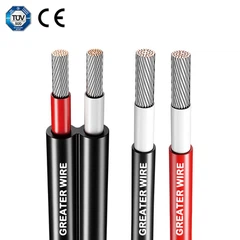

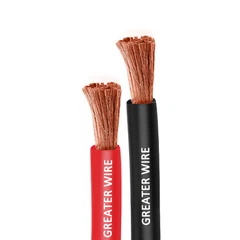
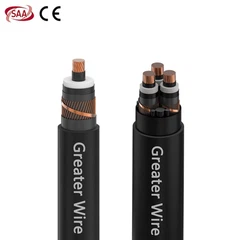
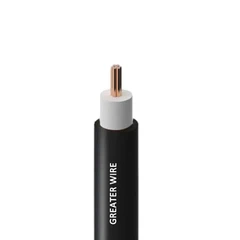
In the world of solar power systems, the importance of selecting the right type of solar cable cannot be overstated. Solar cables, or solar wires, are the essential conduits for transmitting electrical power from solar panels to the inverter and other components of the system. These cables are exposed to various environmental factors such as temperature fluctuations, moisture, UV radiation, and physical wear and tear. As a result, they must be designed to endure harsh conditions while maintaining their electrical performance and safety.
Among the different solar cables available in the market, PV1-F cables are highly regarded for their durability and reliability. A significant aspect of their robustness is their wear resistance, which determines how well they can withstand physical damage from factors like abrasion, impact, or mechanical stress. In this article, we will explore the wear resistance of PV1-F cables, focusing on their ability to resist physical damage and how they are constructed to ensure long-term performance in solar energy systems.

1. Understanding PV1-F Cable Construction
Before diving into the wear resistance of PV1-F cables, it is essential to understand the materials used in their construction. PV1-F cables are designed specifically for use in solar power systems, providing both electrical performance and durability to handle various outdoor and environmental conditions.
1.1 Conductor Material
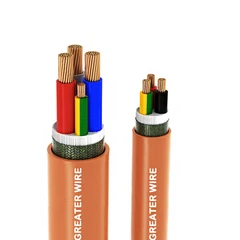
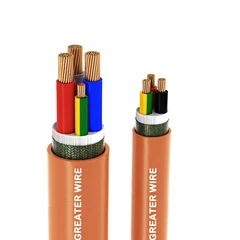
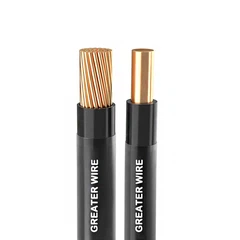
The conductor of a PV1-F cable is typically made of copper, known for its excellent electrical conductivity. Copper ensures efficient transmission of electrical power between components in a solar system. However, copper itself is relatively soft compared to other metals, which means that the conductor must be well-protected by durable insulation and sheath materials to prevent physical damage that could compromise the cable's performance.
1.2 Insulation Material
The insulation layer in PV1-F cables is made from cross-linked polyethylene (XLPE). XLPE offers superior resistance to environmental factors such as temperature changes, moisture, and UV radiation. In addition to providing electrical insulation, XLPE helps protect the conductor from damage caused by physical factors like abrasion or impact. XLPE insulation is often chosen for its flexibility and strength, which are important when cables are installed in challenging outdoor conditions.
1.3 Outer Sheath Material
The outer sheath of PV1-F cables is made from polyvinyl chloride (PVC) or low smoke zero halogen (LSZH) materials. These materials provide a protective barrier around the insulation and conductor, ensuring the cable's integrity in outdoor environments. PVC is commonly used due to its excellent abrasion resistance and mechanical strength, while LSZH sheaths are used for additional safety in case of fire.
The combination of XLPE insulation and PVC or LSZH outer sheath provides a highly effective defense against physical damage, helping the cable resist wear and tear over its service life.

2. Wear Resistance of PV1-F Cable
Wear resistance is the ability of a material to resist physical damage caused by mechanical actions such as abrasion, friction, or impact. For solar cables, wear resistance is an important factor, as cables are often exposed to physical stresses during installation and throughout their operational life. These stresses can result from factors such as:
Mechanical impact from tools or objects during installation.
Abrasion from rubbing against rough surfaces.
Friction from cables being moved or pulled through tight spaces.
Bending due to poor installation or environmental shifts.
The wear resistance of PV1-F cables is primarily attributed to the following construction features:
2.1 Durable Insulation
The XLPE insulation used in PV1-F cables is known for its mechanical strength and abrasion resistance. When exposed to physical stress, XLPE is more likely to absorb the impact without cracking or tearing, which ensures that the conductor remains protected. The material can endure flexing, twisting, and bending, which is crucial for cables that need to be routed through complex installations or areas with high mechanical stress.
The flexibility of XLPE insulation also helps to prevent it from breaking down when subjected to dynamic conditions. This ensures that PV1-F cables are capable of withstanding mechanical forces that would otherwise cause damage to less durable cables.
2.2 Tough Outer Sheath
The PVC or LSZH outer sheath plays a vital role in providing the physical protection needed for solar cables. PVC is specifically chosen for its abrasion resistance and toughness, which helps the cable withstand physical impacts or friction. When the PV1-F cable is exposed to external forces, the PVC sheath prevents the cable's internal components from being exposed to potential damage.
In outdoor environments, cables often come into contact with rough surfaces, sharp objects, or heavy machinery. The PVC sheath provides an additional layer of protection, ensuring that the PV1-F cable continues to perform optimally even under physically demanding conditions. Additionally, LSZH sheaths offer added protection in situations where cables are exposed to higher temperatures or fire risks, making them suitable for installations where fire safety is a primary concern.
2.3 Flexibility for Installation
While wear resistance refers to a cable's ability to withstand damage, flexibility plays an equally important role in preventing wear during installation. PV1-F cables are designed with sufficient flexibility to facilitate easy handling during the installation process. This flexibility reduces the likelihood of physical stress occurring from bending or pulling, which could otherwise cause the cable to crack or lose its integrity.
Since solar cables are often routed through tight spaces, PV1-F cables are flexible enough to be bent without causing damage to the insulation or conductor. This ability helps minimize the risk of abrasion and ensures the cables can be installed correctly without compromising their wear resistance.

3. Can PV1-F Cable Withstand Physical Damage?
Given the combination of XLPE insulation and a PVC or LSZH outer sheath, PV1-F cables offer excellent protection against physical damage. However, while these cables are designed to resist wear and tear, they are not indestructible. Over time, extreme environmental conditions or improper handling during installation can still cause damage to the cables.
3.1 Installation-Related Physical Damage
During the installation process, solar cables are often exposed to a variety of potential risks. For example:
Sharp edges: Cables may be routed through metal conduits or other materials that have sharp edges, leading to abrasion or cutting of the outer sheath.
Improper bending: Bending cables too tightly during installation can lead to the insulation cracking or the sheath becoming compromised.
Tension: If cables are pulled with excessive force, it can cause damage to the insulation or conductor.
To mitigate these risks, proper handling and installation techniques should always be followed. Using protective coverings during installation, ensuring that the cables are not pulled too tightly, and avoiding contact with sharp objects are essential steps to preserve the integrity of the cables.
3.2 Environmental Factors
While PV1-F cables are built to withstand a variety of environmental factors, extreme weather conditions or mechanical abuse can still affect the cable's durability. For instance:
UV radiation: Over time, exposure to UV rays from the sun can degrade the outer sheath of the cable, leading to cracking or brittle spots. To prevent this, PVC sheaths are formulated with UV-resistant properties to prolong their lifespan under direct sunlight.
Exposure to chemicals: In environments where the cable is exposed to harsh chemicals or solvents, the outer sheath or insulation might degrade over time. While PV1-F cables are resistant to many chemicals, prolonged exposure to highly aggressive substances can still cause damage.
3.3 Maintenance and Regular Inspections
To ensure that PV1-F cables maintain their wear resistance throughout their operational life, regular maintenance and inspections are crucial. Inspecting the cables for signs of physical damage such as cuts, abrasions, or cracks in the insulation will help identify potential issues before they lead to system failure. Additionally, making sure that the cables are routed correctly, free from excessive tension, and properly protected will prolong their lifespan and maintain their performance.