

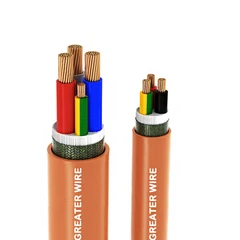
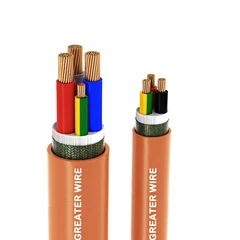

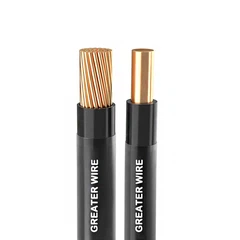
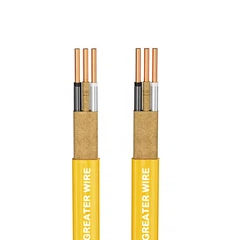
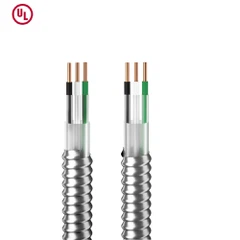
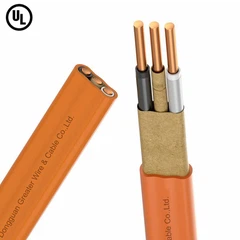
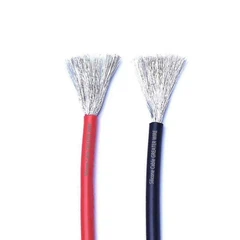
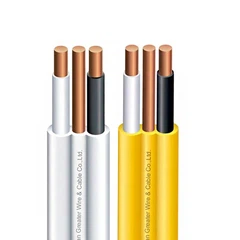
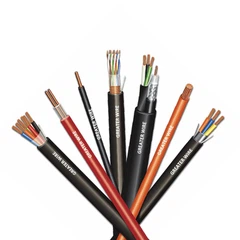
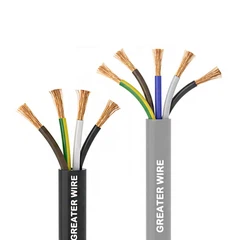
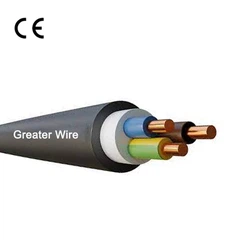

The service life of a PV1-F cable, a type of solar cable widely used in photovoltaic (solar) systems, is one of the key factors that determine the overall reliability and durability of a solar power installation. As the global push for renewable energy solutions grows, understanding the longevity of the components involved, such as solar wires, becomes increasingly important to ensure the sustainability and performance of solar power systems over the long term.
In this article, we will explore the factors influencing the service life of PV1-F cables, how to maximize their durability, and provide insights into how the lifespan of these cables compares to other types of solar cables used in photovoltaic systems.

1. What is a PV1-F Cable?
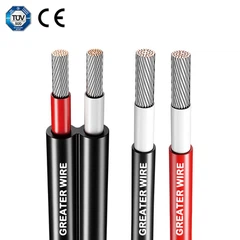
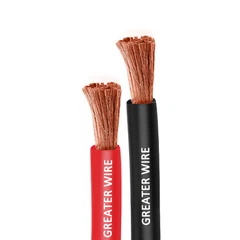
Before delving into the specifics of its service life, let's understand the PV1-F cable itself. The PV1-F cable is specifically designed for use in solar applications, such as connecting solar panels to inverters or between panels in a solar array. It is a high-performance solar wire made to withstand the harsh outdoor conditions that solar power systems often face.
Key features of the PV1-F cable include:
Conductor Material: It typically uses copper conductors, which provide excellent electrical conductivity and minimize power loss.
Insulation: The insulation is made of cross-linked polyethylene (XLPE), which provides excellent resistance to heat, UV radiation, and other environmental stressors.
Voltage Rating: The cable is rated for voltages up to 1,000 V DC, making it suitable for most residential and commercial solar systems.
Sheath Material: The outer sheath is typically made from thermoplastic elastomer (TPE) or a similar durable material, which offers protection against mechanical damage, moisture, UV rays, and temperature fluctuations.
Given these characteristics, PV1-F cables are known for their robustness and are designed for long-term outdoor use in solar power installations.

2. Service Life of PV1-F Cables
The service life of PV1-F cables is primarily determined by the material properties of the cable, the environmental conditions in which they are used, and how well they are installed and maintained. In general, PV1-F cables are designed to last for several decades in normal usage conditions.
2.1 Expected Lifespan
Standard Service Life: Under typical conditions, PV1-F cables have an expected service life of 25 to 30 years. This is in line with the typical lifespan of a solar panel system, which is also expected to last between 25 and 30 years with proper maintenance.
Industry Standards: Various international standards, such as IEC 60216 (which sets out the standard for the aging characteristics of electrical insulation), suggest that cables designed for solar systems should be capable of maintaining their electrical and mechanical properties for a minimum of 25 years, assuming they are exposed to normal environmental stresses.
2.2 Factors Influencing Cable Lifespan
Several factors influence how long a solar cable, particularly a PV1-F cable, can last. These factors include:
Exposure to UV Radiation: One of the primary environmental factors that can affect the service life of a solar wire is ultraviolet (UV) radiation. Prolonged exposure to sunlight can degrade the materials of the cable, leading to cracking, brittleness, and eventual failure of the outer sheath. However, PV1-F cables are specifically designed with UV-resistant materials that can withstand prolonged exposure to sunlight.
Temperature Variations: Solar cables are subjected to wide temperature fluctuations, from very hot temperatures during the day to freezing cold at night. These temperature swings can cause the cable materials to expand and contract, leading to mechanical stress. PV1-F cables are designed to operate in temperature ranges from -40°C to +90°C, and this thermal flexibility helps to extend their service life.
Mechanical Stress: Installation and handling practices are critical in determining the longevity of solar wires. Cables that are subjected to excessive bending, stretching, or crushing are more likely to suffer from premature degradation. It is essential to install cables with appropriate bending radii, avoid sharp edges, and use protective conduits in areas where mechanical impact is likely.
Moisture and Corrosion: Water ingress is another potential issue for solar cables, especially in areas with high humidity or extreme weather conditions. If the insulation of the cable is compromised, moisture can seep into the cable, leading to internal corrosion or short-circuiting. The PV1-F cable is designed to be water-resistant, but it is essential to ensure proper sealing of cable connectors and junctions during installation to prevent water damage.
External Environmental Factors: Extreme weather conditions, such as storms, hail, or snow, can cause physical damage to cables, reducing their effective lifespan. In coastal areas, salt from sea air can also accelerate corrosion. PV1-F cables are resistant to such factors, but it is still important to consider the installation environment to ensure long-term performance.

3. Maximizing the Lifespan of PV1-F Cables
While the PV1-F cable is designed for long-term durability, the following best practices can help to further maximize its lifespan and ensure optimal performance throughout the life of the solar system:
3.1 Proper Installation
The first step in ensuring the long life of a solar wire is proper installation. Cables should be installed according to the manufacturer's recommendations, with careful attention to:
Bending Radius: Avoid sharp bends in the cable. The minimum bending radius is usually specified in the cable datasheet, and it is important to follow these guidelines to prevent damage to the internal conductors.
Protection from Mechanical Stress: Use protective conduits or trays in areas where the cables may be exposed to physical damage, such as areas with foot traffic or heavy equipment.
Avoiding Overheating: Ensure that the cables are not routed too close to heat sources, such as vents, exhaust pipes, or other cables that might cause excessive heat build-up.
Waterproofing: All connections and junctions should be properly sealed to prevent water ingress, especially in areas prone to flooding or high humidity.
3.2 Regular Maintenance and Inspection
Although PV1-F cables are designed to be maintenance-free, regular inspections are essential to identify any early signs of wear and tear. Perform periodic checks for:
Physical Damage: Look for signs of cracking, chafing, or cuts in the outer sheath, especially in areas exposed to mechanical stress.
UV Degradation: Check the outer sheath for any signs of fading, cracking, or brittleness that may indicate UV damage. If the cable is exposed to direct sunlight for extended periods, consider using additional protection, such as UV-resistant coatings or conduits.
Water Damage: Inspect cable connectors and junction boxes to ensure that no water has entered. If necessary, replace worn or damaged connectors to maintain proper electrical connections.
Overheating: Ensure that cables are not overheating due to poor ventilation or improper installation.
3.3 Environmental Considerations
While PV1-F cables are built to withstand a variety of environmental factors, the environment in which they are installed can have a significant impact on their lifespan. Take these considerations into account when installing solar cables:
Coastal Areas: If the installation is near the sea, use corrosion-resistant materials such as aluminum or stainless steel for cable supports and connectors. Consider using additional protective coatings to prevent saltwater corrosion.
Extreme Weather: In areas prone to extreme weather conditions (hail, snow, storms), consider installing cables underground or within protective conduits to shield them from potential damage.
Temperature Extremes: In regions with extreme temperature fluctuations, ensure that the cables are rated for the appropriate temperature range. You may need to insulate or protect cables in areas with high thermal stress.

4. Comparing the Lifespan of PV1-F Cables with Other Solar Cables
When comparing the service life of PV1-F cables with other solar cables, it's important to note that the lifespan is generally similar across most high-quality solar cables used in photovoltaic systems. However, there may be slight variations based on the materials used, the specific construction of the cables, and their intended application.
For example:
H1Z2Z2-K cables, another type of solar cable, also offer a service life of around 25 to 30 years when installed correctly and exposed to typical environmental conditions.
TUV 2 Pfg 1169/08.2007 certified cables, commonly used for solar applications, also have similar lifespans of up to 30 years.
While all of these cables are built to last for the typical 25-30 year lifespan of a solar installation, the main differences between them lie in their flexibility, resistance to specific environmental factors (such as saltwater or high UV exposure), and ease of installation.