










As the world increasingly turns toward renewable energy solutions, solar power has become one of the most popular options for residential and commercial energy generation. Solar panels allow homeowners and businesses to harness energy directly from the sun, significantly reducing reliance on grid electricity. However, a key question arises when installing a solar system: How do you calculate the kW (kilowatts) for solar panels?
The process of calculating the kilowatts (kW) that your solar panels can generate is crucial for designing an efficient solar system. This article will walk you through the steps to calculate the kW for solar panels and explain the importance of essential components like solar cables and solar wires in the system.

Understanding Kilowatts in Solar Systems
In solar power systems, the term kW refers to the amount of electrical power generated by the solar panels. It is a unit of measurement for power, representing 1,000 watts. When you see a 5 kW solar system, it means the system can generate 5,000 watts of power under ideal conditions.
To calculate the kW for solar panels, you need to understand how the size of your system-typically measured in watts or kilowatts-relates to the number of solar panels and the efficiency of the system. Solar panels are rated based on their wattage, which refers to how much electricity they can produce under optimal conditions (such as full sunlight).

Steps to Calculate kW for Solar Panels
Here's a step-by-step guide on how to calculate the total kW that a solar system can generate.
1. Identify the Wattage of Your Solar Panels
Every solar panel comes with a wattage rating, usually between 250 watts and 400 watts per panel. The wattage of each panel represents the amount of power it can produce when exposed to optimal sunlight.
For instance:
A 300-watt panel will produce 300 watts of electricity under ideal conditions.
A 350-watt panel will produce 350 watts under similar conditions.
2. Determine the Number of Solar Panels
To calculate the total kW for your solar system, you need to know the number of panels you plan to install. The number of panels is usually determined based on the energy requirements of your home or business, as well as how much space you have for installation.
3. Calculate the Total Wattage of Your Solar System
Once you know the wattage of each panel and the total number of panels, you can calculate the total wattage of your solar system. This is done by multiplying the wattage of one panel by the total number of panels.
Formula:
Total Wattage=Number of Panels×Wattage per Panel
For example:
If you have 20 panels of 300 watts each, the total wattage would be:
20×300=6,000 watts or 6 kW
If you have 18 panels of 350 watts each, the total wattage would be:
18×350=6,300 watts or 6.3 kW
4. Convert the Total Wattage to Kilowatts
Since 1 kW = 1,000 watts, you can convert the total wattage to kilowatts by dividing the total wattage by 1,000.
For the above examples:
6,000 watts = 6 kW
6,300 watts = 6.3 kW
5. Consider Solar Irradiance and Location
While you now know how to calculate the kW based on panel wattage, it's important to consider the solar irradiance or sunlight hours available in your location. The amount of power your panels can actually generate depends on how much sunlight your location receives daily.
For example, a solar panel in California (which has more sunlight hours) will produce more energy than a similar panel in Seattle. On average, most locations receive about 4-6 hours of full sunlight per day.
6. Account for System Losses
It's also important to account for system losses when calculating the actual power generated by your solar panels. System losses can occur due to several factors:
Inefficiencies in the inverter (converting DC to AC power)
Wiring losses (resistance in the wires)
Dust and dirt on panels (reducing efficiency)
On average, you should expect around 10% system loss, which means your actual energy output may be around 90% of the theoretical output.

Example of Calculating kW for a Solar System
Let's walk through an example where we calculate the kW for a 6 kW solar system, including how the panel wattage affects the total system size.
Step 1: Choosing Panel Wattage
Assume you are choosing 300-watt solar panels for your installation.
Step 2: Determine Number of Panels
For a 6 kW system:
Total Wattage=6,000 watts
Now, divide the total wattage by the wattage of each panel:
Number of Panels=6,000 watts/300 watts per panel=20 panels
Step 3: Convert to kW
The total power output is 6,000 watts or 6 kW.
Step 4: Consider System Losses
If your system experiences 10% loss, you would need to adjust for this:
Adjusted Output=6,000 watts×0.90=5,400 watts=5.4 kW
So, after accounting for system losses, your actual output would be around 5.4 kW.

The Role of Solar Cables and Solar Wires in Your Solar System
Once you've calculated the kW for your solar system, the next step is ensuring the electricity generated by the panels is efficiently transmitted to the inverter and then to the electrical grid or your home. This is where solar cables and solar wires come into play.
1. Solar Cables: Function and Importance
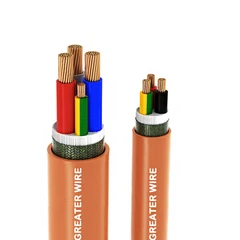
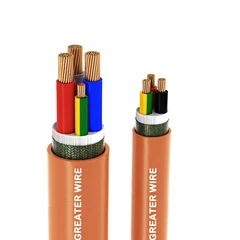
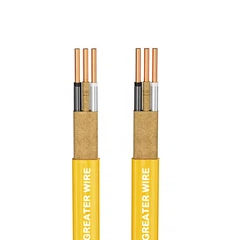
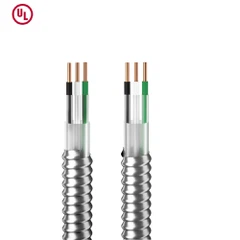
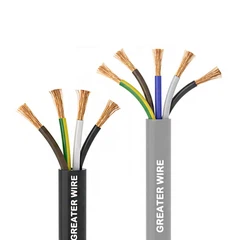
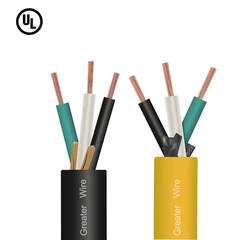
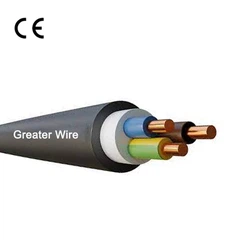
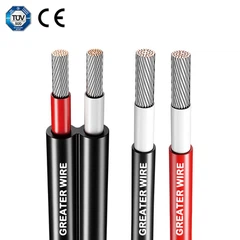
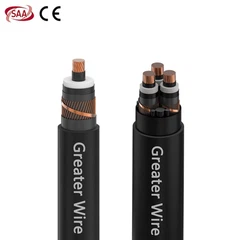
Solar cables are the electrical cables used to connect the solar panels, inverters, batteries, and other components of your solar system. These cables must be durable, weather-resistant, and able to carry the current from the solar panels to the inverter without significant losses.
TUV Certified Solar Cables: These are cables that are tested for long-term durability, UV resistance, and temperature tolerance. TUV-certified cables are often used for outdoor installations because they can withstand harsh conditions, including UV radiation, rain, and temperature extremes.
MC4 Connectors: The MC4 connector is the standard connector used in solar panels for series and parallel connections. It ensures a secure connection and prevents water or dirt ingress, which could affect system performance.
2. Solar Wire Gauge: Choosing the Right Size
The gauge of the wire used in your solar system is crucial for safety and performance. The wire gauge determines the amount of current the wire can carry without overheating or suffering excessive voltage drop. Typically, the larger the wire, the lower the resistance, and the more efficiently it transmits power.
The wire gauge depends on the current the system is designed to handle and the distance between the panels and the inverter. Commonly used wire gauges for residential solar systems include 10 AWG, 8 AWG, and 6 AWG for DC circuits.
10 AWG wire: Used for short distances and lower currents.
6 AWG wire: For longer distances or higher current handling.
3. Wire Sizing for Inverters
Inverters convert the DC electricity produced by solar panels into AC electricity used in your home or sent to the grid. The size of the inverter determines the wire gauge needed for both the DC side (from the panels to the inverter) and the AC side (from the inverter to the electrical panel).
For a 6 kW inverter, the wire gauge would typically be 10 AWG to 8 AWG for the DC side, depending on the current, and 10 AWG or 8 AWG for the AC side.
4. Minimizing Power Losses
Using the correct wire gauge is essential to prevent excessive power losses due to resistance in the wires. For a typical 6 kW system, using wires that are too thin (higher gauge number) can result in significant voltage drop, reducing system efficiency. Therefore, ensuring the correct sizing of cables and wires minimizes energy loss and maximizes the amount of usable power.