

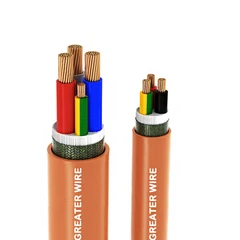
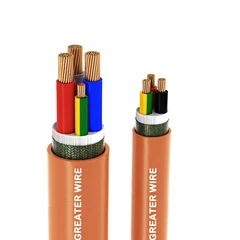

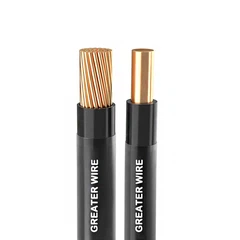
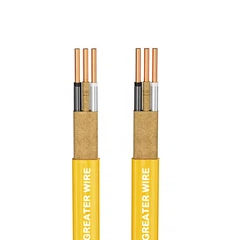
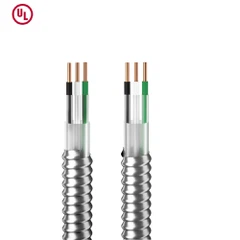
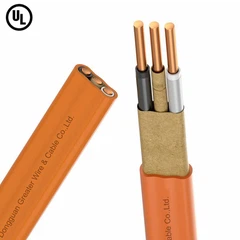
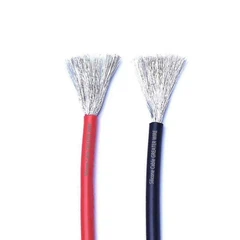
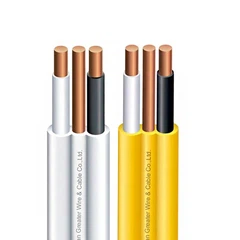
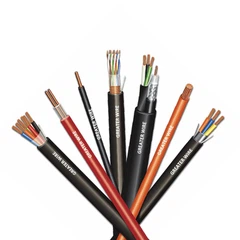
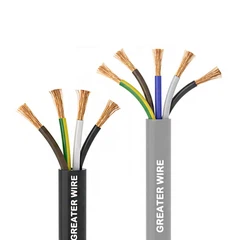
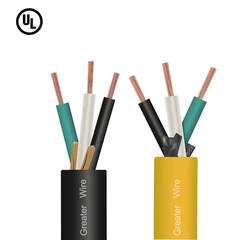
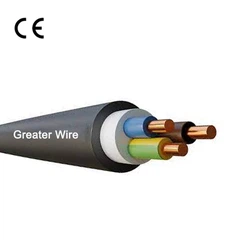
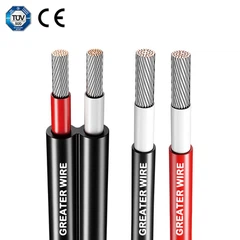

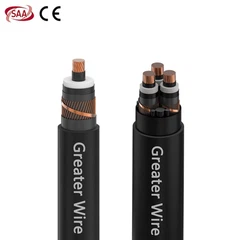
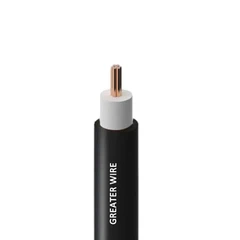
When working with electrical systems, safety is always a priority. Whether you are installing new wiring or troubleshooting an existing setup, understanding how o properly check and assess the condition of TPS cables (Thermoplastic Sheathed Cables) is crucial. TPS electrical cables are widely used in residential, commercial, and industrial installations due to their reliability, ease of installation, and protective features. However, even the most robust cable can suffer from wear and tear over time due to environmental factors or poor handling.
In this article, we will guide you through the process of checking TPS cables, focusing on safety, functionality, and damage assessment. We will also discuss the proper methods for inspecting flat TPS cables and understanding the wiring inside TPS electrical cables. By the end of this article, you will be well-equipped to check the condition of TPS cables, diagnose any issues, and ensure the continued safety and efficiency of your electrical installations.


1. What is a TPS Cable?
Before diving into the checking process, it is important to understand what TPS cables are and what they are used for. TPS cables are widely recognized for their thermoplastic insulation, typically made from PVC, which helps protect the internal copper or aluminum conductors from external damage. TPS cables are highly flexible, can be used in a range of temperature conditions, and are resistant to external influences like moisture, UV rays, and mild mechanical stresses.
The key components of TPS cables include:
Conductor: This is the wire inside the cable that carries the electrical current, often made from copper or aluminum.
Insulation: The conductor is covered with a layer of thermoplastic material (PVC) to protect it from short-circuiting and external damage.
Sheath: The outer sheath of the cable provides additional protection against physical damage and environmental hazards.
Core: In many TPS electrical cables, the core can consist of a single conductor, two conductors, three conductors, or more, depending on the application.
Given that TPS cables are used in a variety of settings, from residential lighting circuits to industrial machinery, understanding how to check the cable for issues is essential to ensuring a safe and efficient electrical system.

2. When Should You Check a TPS Cable?
It's important to check TPS cables in a variety of situations, including:
After installation: To ensure that the cable is installed correctly and has not suffered any damage during the process.
During routine maintenance: Regular checks can help detect any signs of wear, especially in high-stress environments such as industrial machinery or outdoor installations.
When electrical problems arise: If there is an electrical fault, such as power loss, flickering lights, or short circuits, checking the cables can help you identify the root cause of the problem.
Before replacing cables: When upgrading or replacing electrical cables, you should check existing TPS cables to assess whether they still meet safety and operational standards.

3. Safety Considerations Before Checking TPS Cables
Before proceeding with any checks or inspections of TPS cables, safety is paramount. Always follow the basic electrical safety protocols:
Power off the circuit: Always disconnect the power supply before working with any electrical cable. Use a lockout-tagout (LOTO) system to ensure the circuit cannot be accidentally turned back on while you're working.
Use proper personal protective equipment (PPE): Depending on the installation environment, wear appropriate PPE such as rubber gloves, safety glasses, and insulated tools to protect yourself from electrical shock.
Verify that the cable is not energized: Even if the power is off, use a non-contact voltage tester to confirm that there is no live current in the cable before proceeding with any inspections.
Ensure adequate lighting and ventilation: Always work in a well-lit and ventilated environment to avoid accidents and ensure visibility.

4. Visual Inspection of TPS Cables
The first step in checking TPS cables is a visual inspection. A thorough visual inspection can reveal many issues that could compromise the integrity of the cable. Here's how you can perform this inspection:
4.1 Examine the Outer Sheath
The outer sheath of the cable is designed to protect the internal conductors from physical damage, UV radiation, and moisture. During the visual inspection, check for:
Cracks or splits: These can occur due to environmental exposure (such as UV degradation from sunlight) or mechanical damage. Cracks can allow moisture and contaminants to infiltrate the cable, which may cause short circuits or corrosion.
Discoloration: Any significant discoloration on the outer sheath may indicate overheating or exposure to excessive chemicals.
Burn marks: Signs of burning or charring can point to overheating issues or short-circuits that need immediate attention.
4.2 Check for Kinks or Bends
Inspect the TPS cable for sharp bends or kinks. While TPS cables are flexible, excessive bending or twisting can damage the internal conductor and insulation, leading to potential short circuits or reduced cable performance. Ensure that the cable has been installed with adequate space for bending according to manufacturer guidelines.
4.3 Look for Physical Damage
Check for any physical damage such as cuts, abrasions, or crushing of the cable. Physical damage can expose the internal conductors, leading to electrical hazards or performance degradation. If the cable shows signs of significant wear or damage, replacement may be necessary.
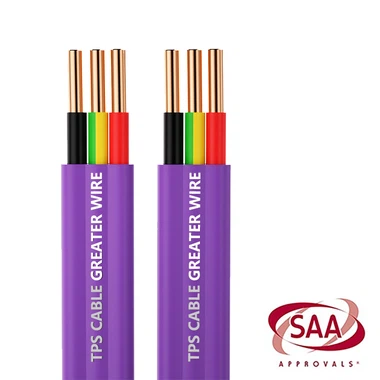
5. Checking the Conductors Inside TPS Cables
After completing a visual inspection, you may need to check the condition of the internal conductors. This process often involves testing the cable using specialized tools like a multimeter or continuity tester.
5.1 Continuity Test
To check for continuity in a TPS cable, you can use a multimeter set to the continuity or resistance mode. This test helps determine whether the conductor is intact or if there is an open circuit. To perform a continuity test:
Set your multimeter to the continuity mode.
Place one probe at the end of the conductor at one end of the cable and the other probe at the other end of the conductor.
If the multimeter beeps or shows zero resistance, the conductor is continuous, meaning there are no breaks or interruptions in the cable.
If the multimeter does not beep or shows infinite resistance, the conductor is broken, and the cable needs to be replaced.
5.2 Insulation Resistance Test
This test checks the insulation of the TPS cable to ensure that it is intact and able to resist electrical leakage. To perform an insulation resistance test:
Use an insulation resistance tester (commonly referred to as a megohmmeter).
Connect the tester leads to the conductor and the outer sheath (or ground).
A good cable should show a high resistance reading (typically over 1 MΩ), indicating that the insulation is intact.
Low resistance readings indicate that the insulation has deteriorated, which could lead to a potential electrical hazard. In this case, replacement is recommended.

6. Checking for Environmental Factors
If the TPS cable has been installed in a harsh environment, checking for external factors that could affect its performance is essential:
Moisture or water ingress: If the cable is exposed to wet conditions, check for signs of moisture damage or corrosion, particularly at connection points.
Chemical exposure: Certain chemicals, especially solvents or oils, can degrade the insulation and sheath of the cable. Ensure that no such chemicals have come into contact with the cable.
Temperature extremes: Excessive heat or cold can cause the insulation material to become brittle or soft. Check if the cable has been exposed to such conditions, especially in areas like factories or outdoor environments.
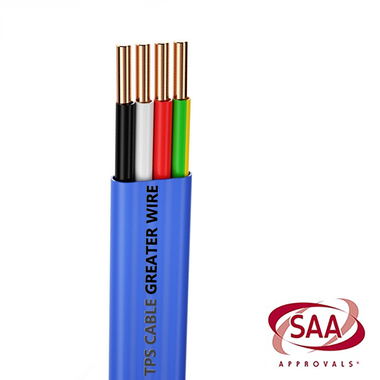
7. Flat TPS Cables and Additional Considerations
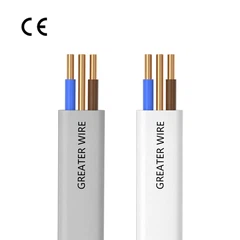
For flat TPS cables, the process of checking the cable is similar to round TPS cables, but there are some specific considerations for flat cables:
Flatness: Ensure that the flat TPS cable has not become twisted or deformed, as this could lead to internal damage.
Alignment of conductors: For flat TPS cables, check that the conductors remain aligned and have not shifted out of position, which could cause short-circuiting.
Installation in confined spaces: Flat cables are often used in spaces where traditional round cables may not fit. Check that the cable is properly secured and not exposed to any undue stress or bending that could lead to damage.