

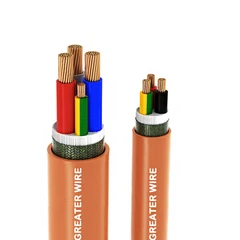
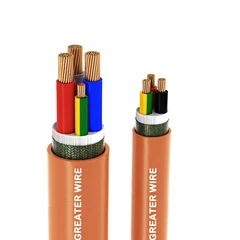

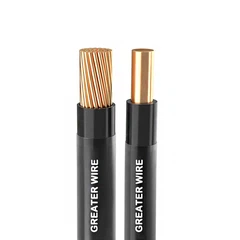
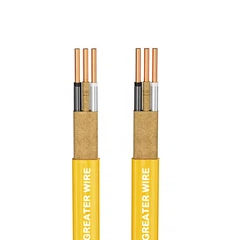
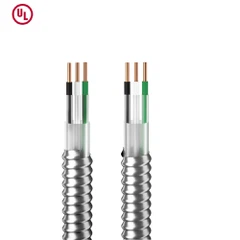
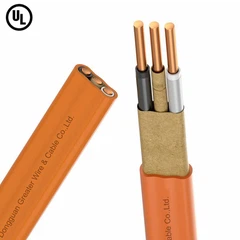
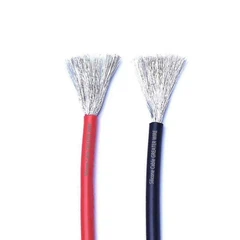
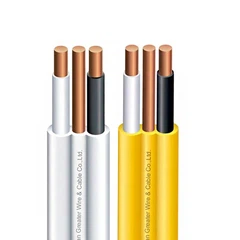
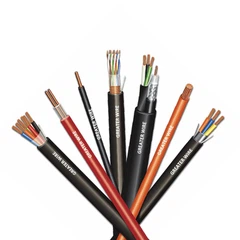
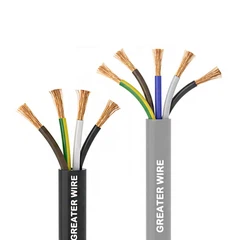
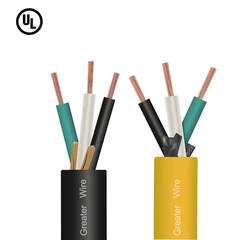
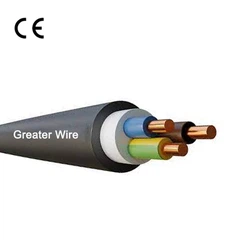
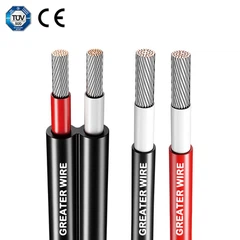

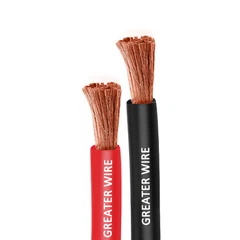
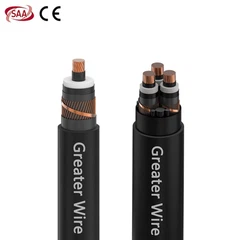
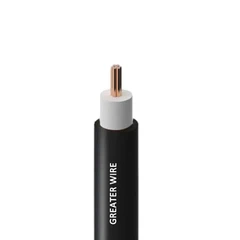
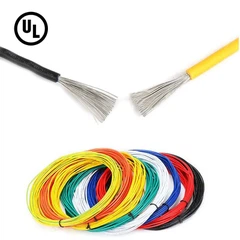
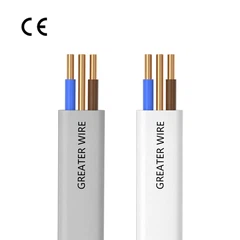
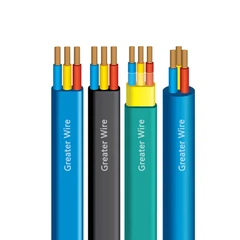
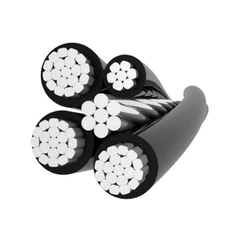
In photovoltaic (PV) systems, the choice of cables is crucial to ensure the efficiency, safety and long-term stability of the system. Solar cables and solar wires are essential components of solar power generation systems. Their main function is to transmit the electricity generated by solar panels and connect solar panels, inverters, battery packs and other equipment. As for the question of whether PV cables use copper as a conductor, the answer is yes: the vast majority of PV cables use copper conductors.
This article will explore in detail the materials of PV cables, the advantages of copper, and the reasons for using copper wires in solar systems. Through this article, you will be able to understand why copper is the most commonly used conductor material in PV cables and understand other important characteristics and selection criteria of PV cables.

1. Overview of PV Cables
Photovoltaic cables are cables designed for solar photovoltaic systems. They are mainly used to transmit direct current (DC) from solar panels to inverters, and further transmit electricity to the grid or energy storage systems. These cables have special designs to cope with various challenges that may be faced in solar power generation systems: such as ultraviolet (UV), extreme temperatures, mechanical damage, etc.
Common photovoltaic cables include single-core cables and double-core cables. Depending on different needs, photovoltaic cables can use copper or aluminum as conductors. Copper conductor cables are widely used in various photovoltaic systems, especially in situations where efficient power transmission is required.

2. Conductor materials of photovoltaic cables
The conductor of a photovoltaic cable is the core part of the cable and is responsible for transmitting current. The conductor material directly affects the conductivity, durability and cost of the cable. Generally, there are two main material options for the conductor of a photovoltaic cable: copper and aluminum.
2.1 Copper Conductor
Copper is the most commonly used conductor material for photovoltaic cables, especially in applications that require high conductivity, low resistance and high stability. The main advantages of copper conductors in photovoltaic systems include:
Good electrical conductivity: Copper has very high conductivity, which means that copper cables of the same specification can transmit more current with less power loss. For photovoltaic systems, reducing power loss is crucial, especially in large-scale solar power generation systems.
Smaller resistance: Copper has lower resistance than aluminum, which means that copper cables have less current loss when transmitting over long distances. For home and commercial photovoltaic systems, copper conductors can effectively reduce the loss of electricity during transmission.
Strong durability: Copper has strong corrosion resistance and is not easily affected by environmental factors. Copper conductors can maintain stability for a long time when exposed to outdoor environments (such as ultraviolet rays, rain, wind and sand, etc.) for a long time.
High reliability: Copper has good structural stability and is not easy to break, which is suitable for photovoltaic systems with long-term operation.
2.2 Aluminum Conductor
Although aluminum has certain use value as a conductor material for photovoltaic cables, it has poor conductivity compared with copper. Aluminum cables are usually used in places with low costs and low power requirements. For example, some more economical wiring solutions in large-scale photovoltaic power stations may use aluminum conductors.
Lower conductivity: The electrical conductivity of aluminum is only a part of that of copper, so in photovoltaic systems that need to transmit larger currents, aluminum cables have poor current carrying capacity.
Lower cost: Aluminum is cheaper than copper, so in some photovoltaic projects with limited budgets, aluminum conductor cables may be a more cost-effective choice.
Lighter weight: Aluminum has a lower density than copper, so aluminum cables are lighter than copper cables. In some specific installation environments, aluminum conductors may be more suitable.
Although aluminum cables have advantages in some occasions, due to their lower conductivity and poor corrosion resistance, aluminum conductor cables are not suitable for most photovoltaic systems, especially when efficient power transmission is required.

3. Why do photovoltaic cables usually use copper conductors?
Copper is the most common conductor material in photovoltaic cables. There are several reasons:
3.1 High conductivity and low resistance
Copper conductors can provide lower resistance when transmitting electricity, which means less power loss and can improve the efficiency of power transmission. The current in solar systems is often direct current (DC), and direct current will generate energy loss due to resistance during transmission. Copper can minimize these power losses due to its excellent conductivity, especially in long-distance cable connections.
3.2 Adapt to high temperatures and harsh environments
The cables of photovoltaic systems usually need to work for a long time in outdoor environments, so they must be resistant to high temperatures and UV rays. Copper conductors not only have strong corrosion resistance, but also can maintain stable performance in high temperature environments. The outer sheath material of solar cables usually uses UV-resistant materials to prevent material aging caused by UV exposure. The weather resistance of copper itself makes it an ideal choice for outdoor photovoltaic systems.
3.3 Longer service life
Copper cables usually have a longer service life than aluminum cables. Under long-term exposure to environmental conditions such as UV rays, high humidity, and rain outdoors, copper conductors can maintain stable conductivity, while aluminum is susceptible to oxidation and corrosion, resulting in cable performance degradation. For solar photovoltaic systems, the service life of the system is usually more than 25 years, and copper cables can provide reliable power transmission in such long-term use.
3.4 Reliability and safety
Copper cables have a stable structure and can withstand higher mechanical stress, so they are less likely to break or damage during installation and operation. In addition, copper conductors perform better under high load or abnormal conditions and are not prone to overheating, so they can better ensure the safety of photovoltaic systems.

4. Other characteristics of photovoltaic cables
In addition to the selection of conductor materials, photovoltaic cables also need to have a series of other key characteristics to ensure their long-term stability and efficiency in photovoltaic systems. These characteristics include:
4.1 High temperature resistance
Photovoltaic cables are often exposed to high temperature environments, especially in summer. Excellent photovoltaic cables must be able to withstand operating temperatures up to 90°C (194°F), and in some extreme environments, cables may face higher temperatures. Therefore, the insulation and conductor materials of the cable need to have good thermal stability.
4.2 UV resistance
Most photovoltaic cables are installed outdoors and exposed to sunlight. Ultraviolet rays (UV) can cause cable materials to age and reduce their service life. Therefore, the outer sheath of photovoltaic cables needs to have UV resistance to prevent damage caused by UV rays.
4.3 Chemical corrosion resistance
Solar panels and cables are often exposed to humid environments and may be exposed to corrosive substances such as rain, salt spray, and chemical gases. The insulation layer and outer sheath of photovoltaic cables need to have good chemical corrosion resistance to ensure long-term and stable operation of the cable.
4.4 Voltage level
Photovoltaic cables have different voltage levels according to the needs of the system. Common photovoltaic cable voltage levels include 600V, 1000V and 1500V, which are suitable for solar energy systems of different sizes. Choosing the appropriate voltage level can ensure the safety and stability of the cable during operation