


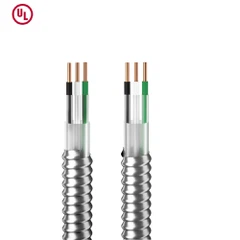
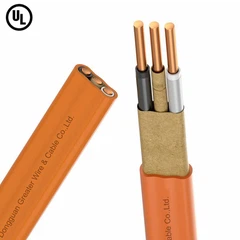
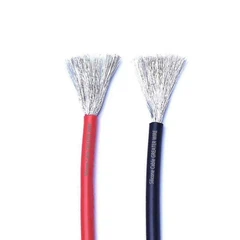
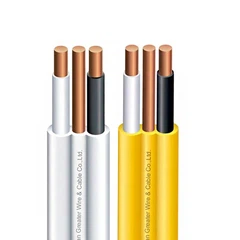
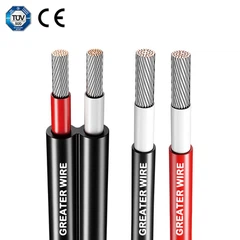

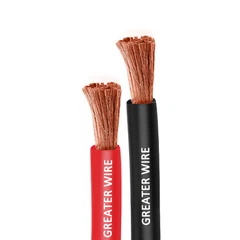
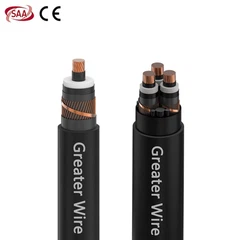
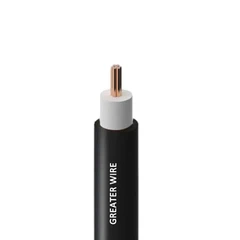
In solar photovoltaic (PV) systems, the selection of cables and wires is crucial to the safety, efficiency, and long-term stability of the system. With the rapid development of the photovoltaic industry, more and more homes and businesses are choosing to install solar systems. One of the common questions is: Can USE-2 standard cables be used as solar cables? To answer this question, we need to have a deep understanding of the characteristics of solar cables and solar wires, the definition of the USE-2 standard, and the application of both in photovoltaic systems.
This article will discuss the standards and characteristics of solar cables and solar wires in detail, and analyze the applicability of USE-2 cables and the difference between them and dedicated photovoltaic cables.

1. What are solar cables and solar wires?
1.1 Solar Cable
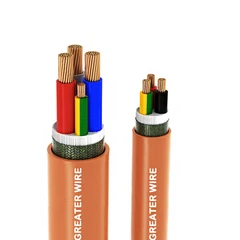
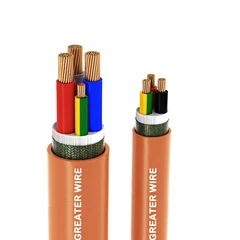
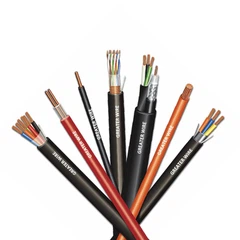
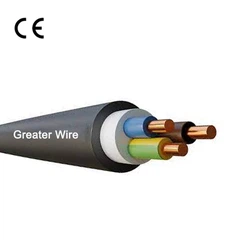
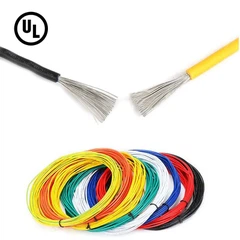
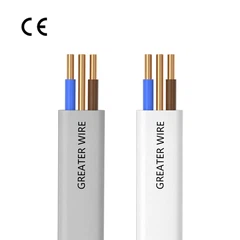
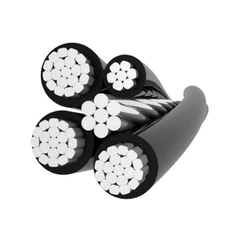
Solar cables are cables designed specifically for photovoltaic systems. They are usually resistant to UV rays, high temperatures, water, and aging, and can withstand harsh conditions in long-term outdoor environments. Solar cables are usually composed of conductors, insulation layers and outer sheaths. The conductors are generally made of copper or aluminum, and the insulation materials are usually cross-linked polyethylene (XLPE), polyvinyl chloride (PVC) and other materials with high temperature resistance.
The main function of solar cables is to connect solar panels to inverters or energy storage devices, and transmit the electricity generated by photovoltaic modules from photovoltaic panels to power systems.
1.2 Solar Wire
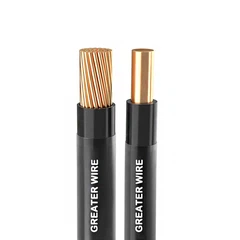
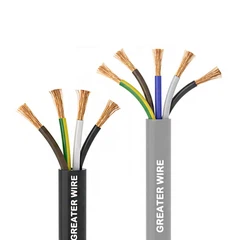
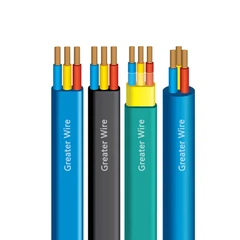
Solar wire refers to a single wire used in photovoltaic systems, and usually also plays a role in power transmission in photovoltaic systems. The biggest difference between it and solar cables is its structure. Cables are made up of multiple wires bundled together and share an outer sheath, while wires are single wires with strong flexibility. Solar wires are often used in short-distance, flexible connection scenarios.

2. Definition of USE-2 standard
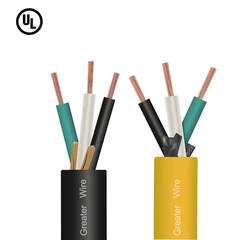
The USE-2 standard is a standard for underground service entrance cables in the National Electrical Code (NEC), which is mainly used for outdoor or underground power transmission. USE-2 cables are designed to connect power lines and buildings, and usually carry lower voltages and currents. USE-2 cables are characterized by high temperature resistance, UV resistance, strong water resistance, and chemical corrosion resistance, and are usually suitable for outdoor use, especially in areas exposed to sunlight and harsh environments.
Specific specification requirements for USE-2 cables include:
High temperature resistance: Able to work stably in high temperature environments.
UV resistance: Can withstand long-term UV radiation and will not age due to exposure.
Waterproof: Suitable for underground installation and can resist the influence of humid environments.
Suitable for outdoor use: Usually used in open air, underground, and in environments with harsh weather.

3. Is USE-2 cable suitable for photovoltaic systems?
3.1 Applicability of USE-2 cables
According to the provisions of the USE-2 standard, USE-2 cables are designed with strong UV resistance and high temperature resistance, and are suitable for harsh outdoor environments. Because of its good water resistance and corrosion resistance, it is very common in underground and outdoor exposed environments. So, can USE-2 cables be used as solar cables or solar wires?
**The answer is: **USE-2 cable can be used as a cable in a photovoltaic system in some cases, but it is not the most ideal choice.
3.2 Matching of USE-2 with photovoltaic system requirements
Although USE-2 cable has some characteristics suitable for outdoor environments, it still has some gaps compared with specialized solar cables. Photovoltaic systems require cables not only to be resistant to high temperatures and UV rays, but also to withstand current for a long time, withstand high voltages, resist aging, and have high reliability. Solar cables need to be able to adapt to extreme working conditions, including high voltages (such as 1000V or 1500V), while USE-2 cables are generally designed for lower voltage power transmission.
3.3 Key differences between solar cables and USE-2 cables
1. Voltage level: Solar cables usually have a higher voltage level, and many photovoltaic systems can reach a voltage level of 1000V or 1500V, which is suitable for high voltage environments. The voltage level of USE-2 cables is usually 600V, which is not suitable for photovoltaic systems that require high voltage.
2. Insulation performance: The insulation materials used in solar cables (such as cross-linked polyethylene or polyvinyl chloride) are specially designed to effectively cope with temperature changes, UV radiation and other environmental factors in the long-term operation of photovoltaic systems. Although the insulation of USE-2 cables has strong heat resistance and UV resistance, it is not specifically designed for the electrical needs of photovoltaic systems.
3. Certification standards: Solar cables generally meet international standards such as IEC 60216 (cable heat resistance), IEC 60754 (requirements for smoke release and corrosive gases in fire situations), UL 4703 (US safety standards for photovoltaic cables), etc. The standards for USE-2 cables are mainly for underground cables and service entrance cables, and are not specifically designed for photovoltaic systems.
4. Aging and environmental resistance: The outer sheath materials of solar cables, such as polyethylene (PE) or TPE materials, are specially designed to resist UV radiation, temperature fluctuations and long-term aging common in photovoltaic systems. Although the outer sheath of USE-2 cables is UV-resistant, its aging resistance is not as good as that of dedicated photovoltaic cables.

4. Correct selection of solar cables
Although USE-2 cables have certain outdoor adaptability, it is more ideal to choose dedicated solar cables in photovoltaic systems. The design of photovoltaic cables takes into account the specific needs of solar systems, including higher voltage carrying capacity, stronger high temperature resistance, superior UV resistance and longer service life.
Selection criteria for photovoltaic cables
Voltage level: Select cables suitable for the operating voltage of the photovoltaic system. Common voltage levels are 600V, 1000V and 1500V.
Conductor material: Copper conductor cables have higher conduction efficiency and are therefore widely used in photovoltaic systems. Although aluminum conductors are less expensive, they have poor conductivity and are usually used in low current applications.
Environmental resistance: Photovoltaic cables need to be able to withstand harsh environmental conditions such as strong UV radiation, high temperature, moisture, and salt spray. Therefore, the outer sheath of photovoltaic cables should be made of UV-resistant and anti-aging materials.
Compliance with standards: Select solar cables that meet standards such as IEC 60216, IEC 60754, UL 4703, etc. to ensure the long-term stability and safety of the cables.