

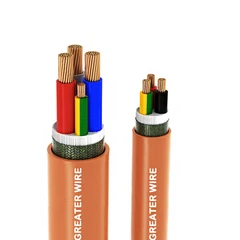
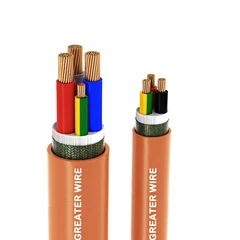

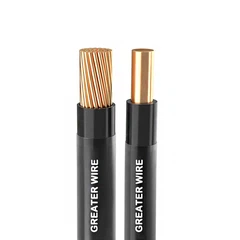
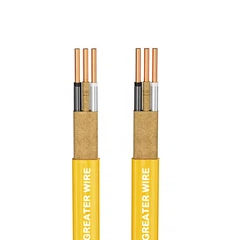
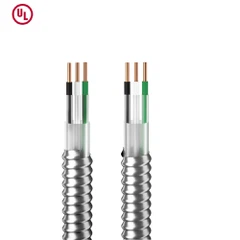
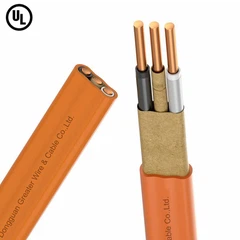
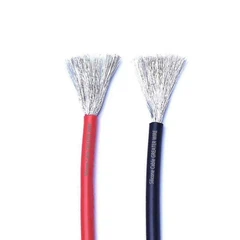
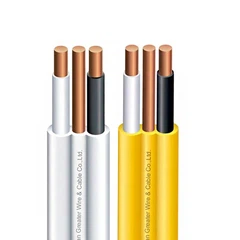
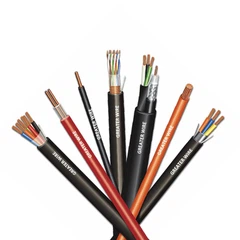
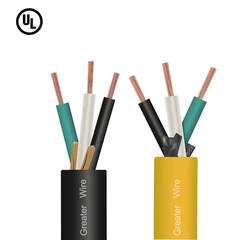
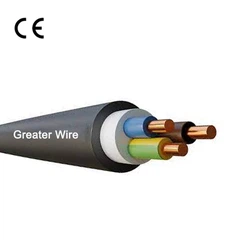
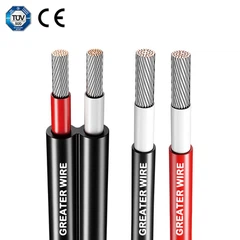

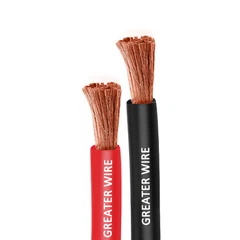
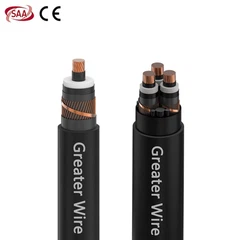
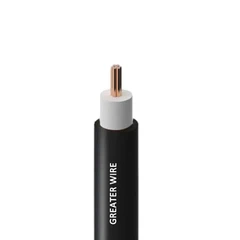
In the world of electrical wiring, TPS cables (Thermoplastic Sheathed Cables) are a popular choice for a variety of low-voltage applications. These cables are typically used in residential, commercial, and industrial wiring systems due to their durability, flexibility, and cost-effectiveness. When selecting the appropriate wiring for a particular application, it is crucial to understand the specifications of the cable, especially its compatibility with alternating current (AC) or direct current (DC) systems. The question often arises: Is TPS cable suitable for AC or DC applications? This article will explore the electrical characteristics of TPS cables, examine their compatibility with AC and DC systems, and discuss where and why TPS electrical cables are commonly used.

1. What is TPS Cable?
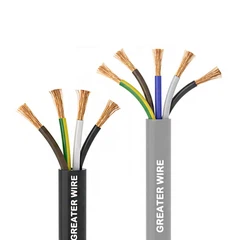
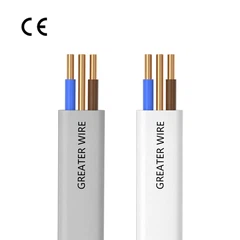
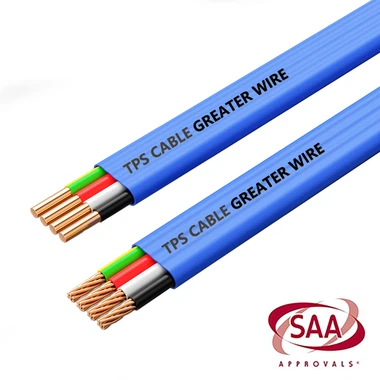
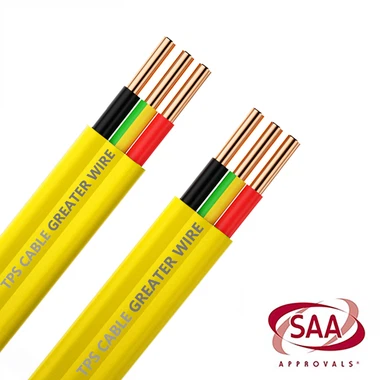
Before diving into whether TPS cables are designed for AC or DC systems, it's essential to understand what a TPS cable is. TPS cables are commonly used for low-voltage electrical circuits. They consist of conductors, typically copper or aluminum, that are insulated with thermoplastic material, usually PVC (Polyvinyl Chloride). The insulation protects the wires inside from environmental factors such as moisture, physical damage, and electrical interference. The outer sheath of TPS cables is also made from PVC, offering additional protection.
The key features of TPS cables include:
Thermoplastic Sheath: This provides durability and resistance to wear, as well as protection against elements like moisture and chemicals.
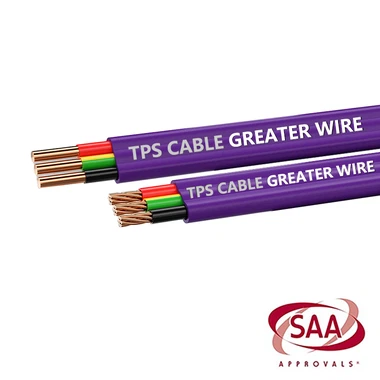
Flat Design: Flat TPS cables are easy to install and take up less space in confined areas, making them an ideal choice for residential and commercial buildings.
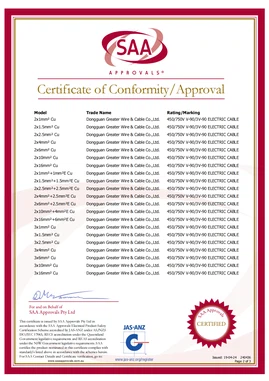
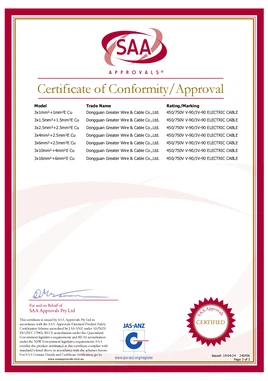
Low-Voltage Rating: TPS electrical cables are typically used for circuits with a voltage rating of up to 450/750V, meaning they are suitable for most residential and light commercial applications.

2. AC vs. DC: What's the Difference?
To better understand the role of TPS cables, it is important to first distinguish between alternating current (AC) and direct current (DC).
Alternating Current (AC): AC is the form of electrical current commonly used in most power distribution systems. In AC, the direction of the current alternates periodically, typically in a sine wave pattern. This type of current is widely used in households, businesses, and power grids. The voltage level in AC circuits can vary, but the alternating nature makes it efficient for long-distance transmission.
Direct Current (DC): DC is a type of electrical current where the direction remains constant. It flows in one direction from the power source to the load. DC is commonly used in applications such as battery-powered devices, electronics, and electric vehicles. Unlike AC, DC requires different techniques for long-distance transmission, as it tends to lose power over large distances.
3. Is TPS Cable Suitable for AC or DC?
Now that we have a basic understanding of TPS cables and the differences between AC and DC systems, the next logical question is: Can TPS cables be used for both AC and DC? The answer is yes. TPS electrical cables are designed to handle both AC and DC systems, provided the voltage rating and other electrical characteristics are within the specified limits of the cable.
3.1 TPS Cables in AC Systems
TPS cables are commonly used in AC circuits, particularly in residential, commercial, and industrial applications. These cables are designed to handle alternating current, and they are often used to wire lighting systems, power outlets, and electrical appliances.
Residential Use: In homes, flat TPS cables are typically used for wiring power outlets, lighting circuits, and appliances. The alternating nature of AC power makes TPS cables a suitable choice due to their insulation properties and the fact that they can handle the periodic reversal of current without degradation.
Commercial and Industrial Applications: In commercial buildings and factories, TPS electrical cables are used to power equipment, lighting systems, and control panels. They are often chosen for their ease of installation, cost-effectiveness, and ability to handle the varying voltages associated with AC circuits.
When used in AC systems, TPS cables can carry standard voltages of up to 450/750V (or sometimes higher, depending on the specifications), which is typical for most residential and commercial installations. The outer PVC sheath and insulation help prevent electrical faults, ensuring the safety and efficiency of the circuit.
3.2 TPS Cables in DC Systems
While TPS cables are most commonly associated with AC applications, they are also suitable for DC systems. DC applications, such as battery-powered devices, solar energy systems, and electric vehicles, often require cables with specific electrical properties. TPS electrical cables are designed to carry DC currents and are widely used in these applications.
Battery-Powered Systems: TPS cables are commonly used to wire battery-powered systems, such as backup power supplies, UPS (uninterruptible power supplies), and other DC-powered devices. These cables are designed to handle the constant flow of DC current from the power source to the load.
Solar Power Systems: In solar power installations, flat TPS cables are often used to wire the solar panels to the battery storage systems and the inverter. The DC current generated by solar panels requires suitable insulation and cable protection, both of which are provided by TPS cables.
Electric Vehicles: TPS cables are also used in the electrical systems of electric vehicles (EVs), where DC circuits are used to power motors and other components. These cables must be capable of handling the high currents typically associated with electric vehicle systems, and TPS cables are up to the task.
While TPS cables can handle DC circuits, it's important to note that DC systems often place more stress on cables due to the continuous, unidirectional flow of current. As such, cables used in DC applications should be carefully chosen based on the expected current load and voltage requirements. TPS cables are commonly rated for voltages up to 450/750V, and for DC circuits within these limits, TPS cables are suitable.
4. Why Choose TPS Cables for Both AC and DC?
There are several reasons why TPS cables are ideal for both AC and DC systems. These reasons include flexibility, safety, ease of installation, and versatility.
4.1 Flexibility and Ease of Installation
Flat TPS cables are particularly flexible, which makes them easier to install in tight spaces. Their flat design means they can be run along walls, floors, and ceilings with minimal bulk. This is especially useful in applications where the wiring needs to be discreet and out of sight, such as in residential wiring or industrial machinery installations.
4.2 Safety Features
TPS cables are designed with insulation that protects against electrical faults, such as short circuits and electrical shocks. The thermoplastic PVC sheath offers protection against physical damage, moisture, and environmental factors, which makes TPS cables suitable for both indoor and outdoor installations. This makes them a reliable option for AC and DC circuits, where safety is paramount.
4.3 Versatility
The fact th cat TPS cables can be used in both AC and DC systems adds to their versatility. Whether you are wiring a house with alternating current or setting up a solar power system with direct current, TPS electrical cablesan meet the needs of both types of systems. Their ability to handle a variety of voltages and currents makes them a go-to choice for many applications.
4.4 Cost-Effective
Compared to other types of specialized cables, TPS cables are relatively affordable. They provide a reliable solution for AC and DC circuits, making them a cost-effective option for residential, commercial, and industrial wiring needs. Their durability and performance make them a smart choice for a wide range of electrical systems.
5. Limitations of TPS Cables in AC and DC Applications
While TPS cables are versatile and widely used, there are some limitations to be aware of when using them in AC and DC systems.
5.1 Voltage and Current Limits
TPS cables are typically rated for low-voltage applications, up to 450/750V. For higher voltage circuits or systems with larger current loads, more specialized cables may be required. It is essential to ensure that the voltage and current requirements of the specific application do not exceed the capabilities of TPS cables.
5.2 Not Suitable for High-Frequency Applications
TPS cables are generally not designed for high-frequency applications, such as RF (radio frequency) or communication systems, where the transmission of alternating current at high frequencies could result in signal degradation. For such applications, cables designed specifically for high-frequency signals should be used.
5.3 Potential Degradation in Harsh Environments
While TPS cables are durable, their thermoplastic PVC sheath may degrade over time in extremely harsh environments, such as those with high temperatures, chemical exposure, or intense UV radiation. For applications in these environments, cables with more specialized sheaths (e.g., rubber or silicone insulation) may be required.