


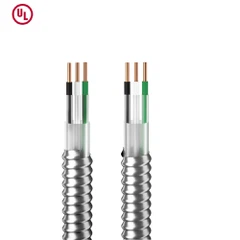
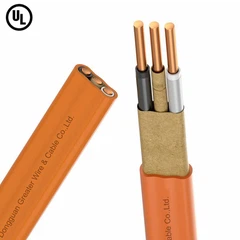
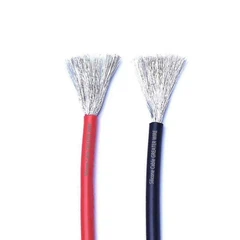
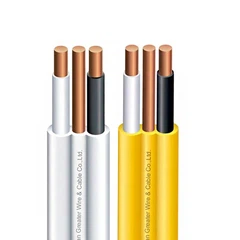

1. Analysis of the structure and technical characteristics of RWU90 cable
1.1 RWU90 Cable Structure Overview
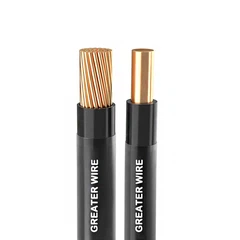
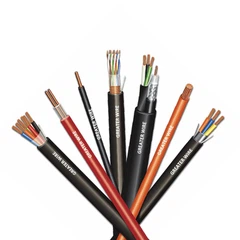
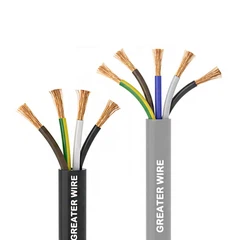
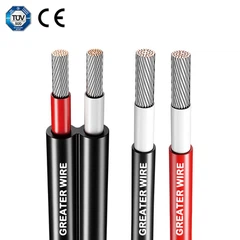
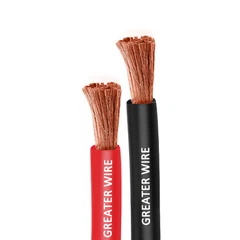
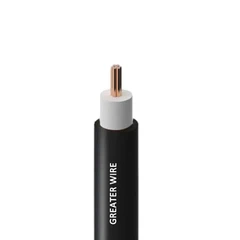
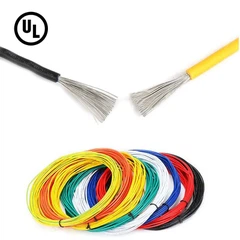
RWU90 cables typically consist of the following components:
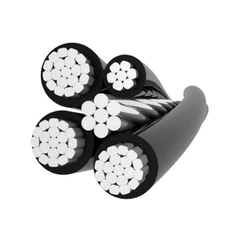
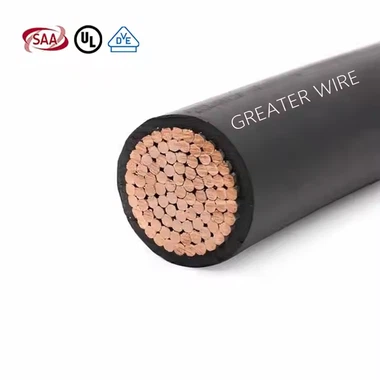
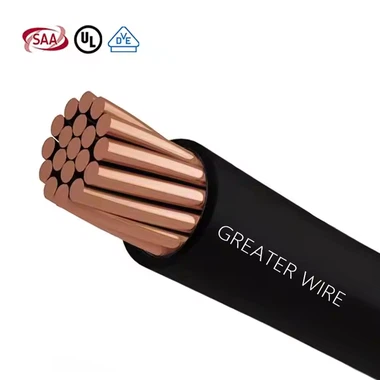
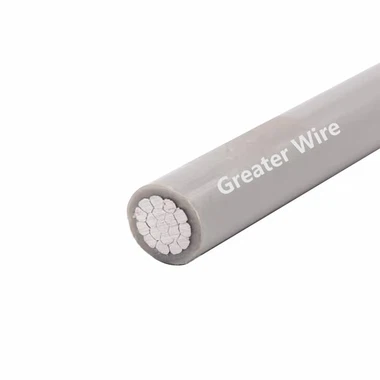
Conductor: Usually soft-drawn copper or compressed aluminum, complying with ASTM B3 (solid) or ASTM B8 (stranded) standards.
Insulation Layer: Made of high-quality cross-linked polyethylene (XLPE), offering excellent high-temperature resistance, UV protection, and electrical insulation.
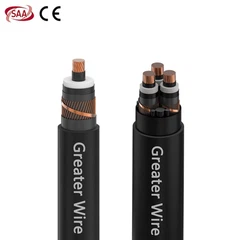
Sheath: Most RWU90 cables are non-sheathed; however, some enhanced versions include a PVC or PE outer layer to improve mechanical strength.
Single-Core Design: Facilitates flexible installation configurations.
1.2 RWU90 Cable Performance Highlights
Rated Voltage: 600V (some models support up to 1000V).
Temperature Rating: Continuous operation up to 90°C; overload conditions up to 105°C.
Minimum Installation Temperature: Suitable for environments as low as -40°C.
UV Resistance: Designed for prolonged outdoor exposure.
Flame Retardancy: Complies with CSA FT1 / FT2 flame tests.
Insulation Resistance: Exceeds 1000 MΩ·km, ensuring electrical stability.
2. Common specifications of RWU90
2.1 RWU90 Wire 2/0: Ideal for Main Power Lines
rwu90 wire 2/0 features a large cross-sectional copper conductor, commonly used in high-power supply systems. Key characteristics include:
Conductor Size: 2/0 AWG (approximately 67.4 mm²).
Ampacity: Approximately 175A (subject to installation conditions).
Applications: Residential main power lines, commercial distribution trunks, solar combiner systems.
This RWU90 cable model supports direct burial and aerial installations, making it suitable for long-distance transmission with excellent voltage drop control.
2.2 RWU90 Cable 1/0: Standard for Outdoor Power Wiring
rwu90 cable 1/0 is a standard choice in many industrial and residential projects, offering:
Conductor Size: 1/0 AWG (approximately 53.5 mm²).
Ampacity: Approximately 150A (depending on temperature and installation method).
High Flexibility: Facilitates complex routing, reducing installation difficulty.
Solar Compatibility: Performs well between solar inverters and combiner boxes.
Selecting RWU90 1/0 cable enhances system efficiency and safety.
2.3 RUW90 Wire 6awg: Common in Low-Voltage Branches and Lighting
Despite some references to "RUW90 wire 6awg" being typographical errors for RWU90, this model is widely used in:
Conductor Size: 6 AWG (approximately 13.3 mm²).
Ampacity: Approximately 65A.
Applications: Outdoor lighting systems, garages, air conditioning branch circuits, industrial control systems.
High Installation Flexibility: Suitable for cable trays, conduits, and direct underground installations.
3. Typical Applications of RWU90 Cable
3.1 RWU90 in Residential Distribution Systems
In new residential projects, rwu90 wire 2/0 is often used from the main breaker to sub-distribution panels, offering low resistance and high current-carrying capacity. Its moisture resistance and direct burial capability eliminate the need for conduits, significantly reducing construction costs and space requirements.
3.2 RWU90 in Commercial Building Power Networks
Commercial facilities like office buildings, shopping malls, and data centers commonly use rwu90 cable 1/0 to connect floor distribution panels to sub-circuits, meeting high-load, long-life, and high-safety electrical requirements. Its excellent aging resistance is particularly suitable for ceiling spaces or outdoor exposed areas.
3.3 RWU90 in Renewable Energy and Solar Systems
RWU90 cables are extensively used in renewable energy fields, especially in solar systems:
6awg Model: Connects photovoltaic panels to combiner boxes.
1/0 and 2/0 Models: Connect inverter outputs to distribution panels.
UV and High-Temperature Resistance: Ideal for high-sunlight environments.
Flexible Design: Accommodates dynamic structures of solar tracking systems.
4. RWU90 Cable Installation and Laying Guidelines
RWU90 cables, known for their flexibility and environmental adaptability, support various installation methods, including direct burial, conduit laying, cable tray installation, and outdoor exposure. The minimum installation temperature is -40°C, suitable for winter construction in cold regions. During installation, adhere to a minimum bending radius of six times the cable diameter to prevent insulation damage. The maximum allowable pulling tension is 50 N/mm² for copper conductors and 30 N/mm² for aluminum conductors, ensuring no over-tensioning.
After laying, use compression terminals or heat-shrink insulation materials for reliable connections, and perform grounding according to electrical codes. For multiple RWU90 cables laid in parallel, maintain appropriate spacing to prevent heat accumulation and performance degradation. Additionally, these cables possess UV resistance, moisture resistance, and corrosion resistance, allowing long-term exposure without additional protection, making them an excellent choice for outdoor and underground electrical projects.
5. RWU90 Cable Standards and Certification System
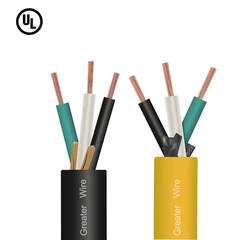
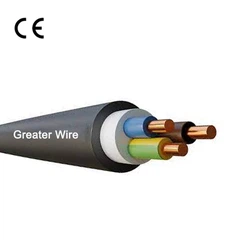
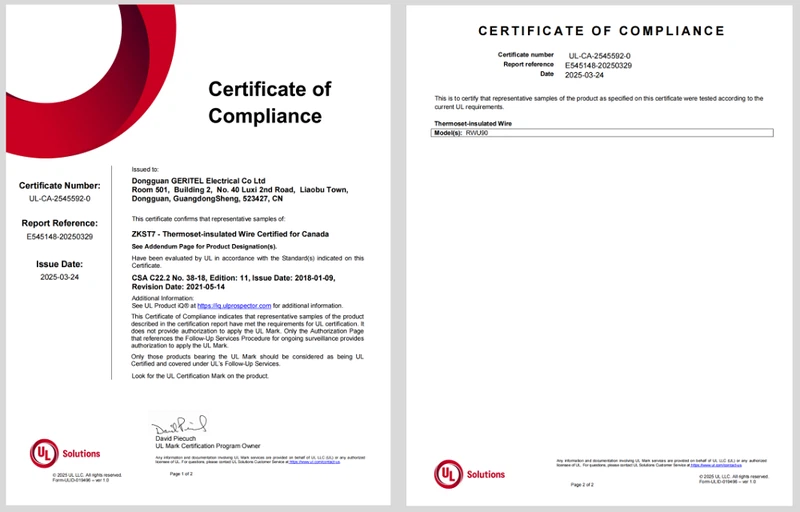
RWU90 cables strictly adhere to the Canadian Electrical Code (CEC) and CSA C22.2 No. 38 standards, ensuring safety and reliability in 600V systems. Conductors comply with ASTM B3/B8 (copper) and ASTM B800/B801 (aluminum) standards. The insulation material passes FT1 or FT2 flame tests, demonstrating good flame retardancy. Most RWU90 products also have UL or cUL certifications, allowing widespread use in Canada and North America. Some models (such as rwu90 wire 2/0) also meet RoHS environmental standards, suitable for green buildings and renewable energy projects. A comprehensive standard system provides a solid quality assurance for RWU90 cables.

Dongguan Greater Wire & Cable Co., Ltd. overseas customer network covers all over the Americas. Whether you are in an energy project in Canada or a municipal project in Costa Rica, we can provide you with matching cable products and fast services. Contact us now and we will provide you with a one-stop cross-border cable solution.