



1. What Is RHW Cable?
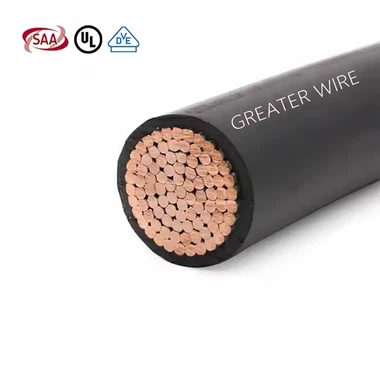
RHW stands for Rubber-insulated, Heat- and Water-resistant Wire. This cable is specifically designed for high-temperature and wet environments. Its key characteristics include:
Conductor Material: Copper or aluminum
Insulation: Thermoset rubber (such as EPR)
Temperature Rating: 90°C in both dry and wet locations
Voltage Rating: 600V (some may qualify for 1000V systems)
Application Areas: Direct burial, outdoor wiring, and wet locations
Advantages:
Flexible for tight installation routes
Strong heat and moisture resistance
Typically flame-retardant
Limitations:
Larger cable diameter than XLPE-insulated types
Less chemical resistance compared to XHHW-2
Higher material cost in some markets
2. What Is XHHW/XHHW-2 Cable?
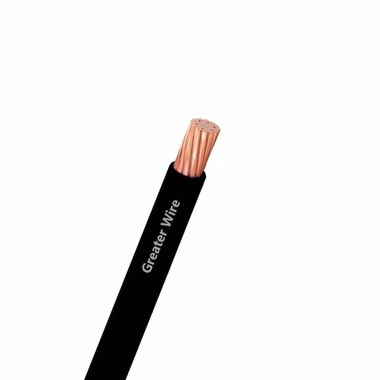
XHHW stands for Cross-linked High Heat- and Water-resistant Wire. It uses XLPE (cross-linked polyethylene) insulation, which provides excellent thermal and dielectric properties.
The main distinction between XHHW and XHHW-2 lies in their wet-location temperature ratings:
| Type | Dry Location | Wet Location | Voltage Rating |
|---|---|---|---|
| XHHW | 90°C | 75°C | 600V |
| XHHW-2 | 90°C | 90°C | 600V / 1000V |
Typical Features:
Conductor Material: Copper or aluminum
Insulation: XLPE
Chemical Resistance: Excellent
Installation: Suitable for conduit, cable trays, or direct burial (with proper protection)
Advantages:
Oil, UV, and abrasion-resistant
Lighter weight and smaller diameter
Cost-effective and widely accepted in building systems
3. RHW vs. XHHW/XHHW-2: Technical Comparison
| Feature | RHW | XHHW | XHHW-2 |
|---|---|---|---|
| Insulation Material | Thermoset rubber | XLPE | XLPE |
| Dry Temp Rating | 90°C | 90°C | 90°C |
| Wet Temp Rating | 90°C | 75°C | 90°C |
| Moisture Resistance | High | Moderate | High |
| Direct Burial | Yes | Yes (with conduit) | Yes |
| Chemical Resistance | Moderate | Good | Excellent |
| Flame Resistance | Yes | Excellent | Excellent |
| Flexibility | High | Moderate | Moderate |
| Standards | UL 44 / NEC | UL 44 / NEC | UL 44 / NEC |
4. Overlapping Characteristics
Despite their construction differences, RHW and XHHW/XHHW-2 share several overlapping features:
Environmental Compatibility: Both are rated for wet, outdoor, and underground environments.
Temperature Tolerance: RHW and XHHW-2 support 90°C operation in wet and dry conditions.
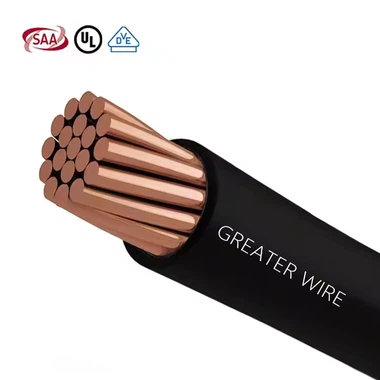
Conductor Options: Available in copper or aluminum.
Regulatory Compliance: Both meet UL 44 and NEC requirements for many wiring methods.
This functional overlap allows for conditional interchangeability depending on project requirements.
5. Key Differences
5.1 Insulation Type
RHW uses rubber-like thermoset insulation (e.g., EPR), which is highly flexible.
XHHW/XHHW-2 uses XLPE, which is stiffer but offers better resistance to chemicals and UV radiation.
5.2 Moisture Handling
XHHW-2 is superior to standard XHHW in wet environments.
RHW and XHHW-2 are equally rated for 90°C in wet conditions.
5.3 Chemical and Flame Resistance
XLPE in XHHW-2 provides enhanced resistance to oils, acids, and solvents.
RHW performs well under high humidity and heat but has slightly lower chemical resistance.

6. Real-World Application Case Studies
Case 1: Underground Power Feeder (XHHW-2)
Scenario: A metro transit system required durable cables for underground tunnels, with exposure to moisture and potential gas corrosion.
Solution: The project specified XHHW-2 copper cables for their superior wet-location temperature rating and chemical resistance. The cables maintained insulation integrity over years of operation and met NEC requirements for tunnel installations.
Case 2: High-Temperature Industrial Wiring (RHW)
Scenario: A chemical plant needed wiring for a steam treatment area with high humidity and tight conduit bends.
Solution: RHW cable was selected for its superior flexibility and thermal endurance. Installers benefited from easier pulling through bends, and the rubber insulation performed reliably in hot, damp conditions.
Case 3: Commercial Building Conduit Wiring (XHHW)
Scenario: A mid-rise office building required cost-efficient wiring in dry interior conduits.
Solution: XHHW aluminum conductor cables were used, offering 90°C dry location performance and meeting all commercial code requirements. The lighter weight and lower material cost resulted in a 20% project savings.

7. Selection Guide for Engineers & Contractors
When choosing between RHW and XHHW/XHHW-2, consider the following factors:
Environment: Use RHW or XHHW-2 in wet, underground, or humid conditions.
Flexibility Needs: RHW is ideal for tight bends and confined spaces.
Chemical Exposure: XHHW-2 excels in harsh industrial environments.
Budget Constraints: XHHW is cost-effective, especially with aluminum conductors.
Compliance: Always check local codes and UL/NEC standards.
Note: While substitution is possible in some cases, it's important to review the specific project specs and consult with a licensed electrical engineer or the cable manufacturer.
8. Frequently Asked Questions
Q1: Can RHW and XHHW cables be used interchangeably?
A: They can be interchanged in some applications, especially wet locations. However, always consult local codes and project requirements.
Q2: What's the difference between XHHW and XHHW-2?
A: XHHW-2 has a higher wet-location temperature rating (90°C vs. 75°C) and is more versatile.
Q3: Which cable is better for direct burial?
A: Both RHW and XHHW-2 are suitable, provided the installation follows NEC requirements.
Q4: Which offers better chemical resistance?
A: XHHW-2, thanks to its XLPE insulation, offers superior chemical and oil resistance.
Q5: How can I identify these cables?
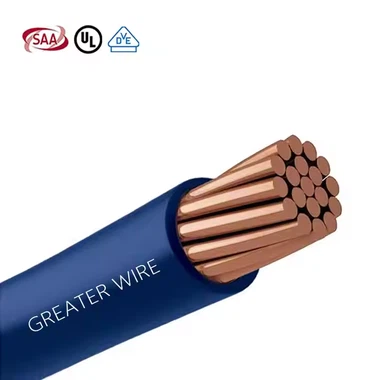
A: Markings on the insulation will include "RHW", "XHHW", or "XHHW-2", along with voltage, temperature, and UL certifications.

Dongguan Greater Wire & Cable Co., Ltd. is well aware that different industries have different strict standards for cables. We cover a variety of materials such as cross-linked, PVC, rubber, silicone and other product series, which are widely used in construction engineering, medical systems and aerospace. Each of our cables has been strictly tested to ensure stable operation in various working environments. If you are worried about selection or procurement, you may wish to contact us and let our expertise solve your worries.