























1. What Are RHH and RHW-2 Wires?
RHH and RHW-2 are copper or aluminum conductor wires insulated with thermoset rubber, designed for high-heat environments.
RHH stands for Rubber-insulated, Heat-resistant, High-temperature wire. It is designed to operate in dry locations at a maximum temperature of 90°C.
RHW-2 (Rubber-insulated, Heat- and Water-resistant, 90°C wet/dry) is an upgrade of RHW, offering the same thermal rating in both wet and dry conditions.
Both types are flame-retardant and exhibit excellent insulation properties under high-temperature conditions. RHH is typically used in dry indoor environments, while RHW-2 is more versatile due to its water resistance and suitability for underground or wet installations.
Common Applications:
Hospitals and healthcare facilities
Conduit installations in industrial environments
Underground duct systems (RHW-2)
2. What Are XHHW and XHHW-2 Wires?
XHHW (Cross-Linked High Heat-resistant Wire) and XHHW-2 are also copper or aluminum conductors but insulated with XLPE (cross-linked polyethylene), which provides excellent thermal and chemical resistance.
XHHW is rated for 90°C in dry locations and 75°C in wet locations.
XHHW-2 improves upon the original, maintaining a 90°C rating in both dry and wet conditions.
These wires are commonly used in raceways, conduit, and cable trays. The XLPE insulation offers low dielectric constant, high resistance to moisture and corrosion, and durability over a wide temperature range.
Common Applications:
Commercial and residential buildings
Control panels and switchboards
Outdoor installations and service entrances
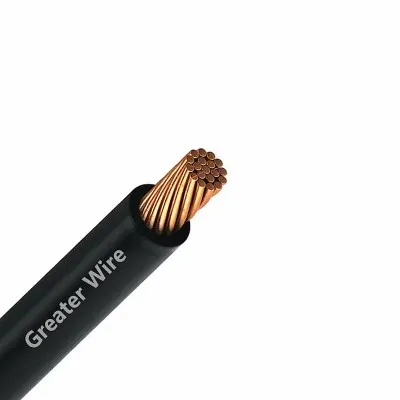
3. Key Differences Between RHH/RHW-2 and XHHW/XHHW-2
Target Keywords: xhhw vs rhw2, rhh vs xhhw, building wire comparison
To make a well-informed choice between these wire types, it's essential to compare their key characteristics side by side:
| Feature | RHH / RHW-2 | XHHW / XHHW-2 |
|---|---|---|
| Insulation Material | Thermoset rubber | Cross-linked polyethylene (XLPE) |
| Temperature Rating | RHH: 90°C (dry) RHW-2: 90°C (wet/dry) |
XHHW: 75°C (wet), 90°C (dry) XHHW-2: 90°C (wet/dry) |
| Water Resistance | RHW-2: Excellent RHH: Not water-resistant |
XHHW-2: Excellent |
| Flexibility | Higher due to rubber insulation | Lower due to rigid XLPE |
| Chemical Resistance | Moderate | Excellent |
| Common Usage | Damp/underground installations | Outdoor raceways, dry/wet environments |
| Cost | Slightly higher | Slightly lower |
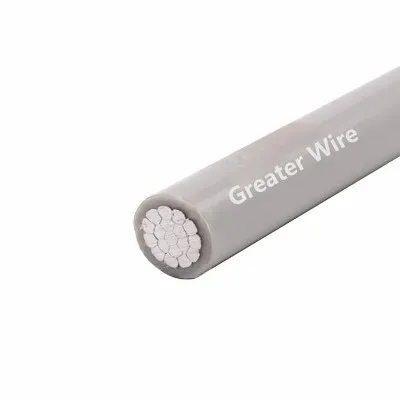
4. Application Scenarios: Which One Should You Choose?
Selecting between RHH/RHW-2 and XHHW/XHHW-2 depends on your project's specific environmental and regulatory requirements.
Case 1: Hospital Building Project
In this scenario, safety and thermal endurance are paramount. RHW-2 is preferred because it offers high heat resistance, flame retardancy, and suitability for use in both wet and dry conduits.
Case 2: Commercial Office Distribution System
For a cost-effective solution in a mixed environment (indoor/outdoor), XHHW-2 is ideal. It provides solid water and chemical resistance with a reasonable price point, especially in conduit systems.
Case 3: Underground Conduit Wiring
Both RHW-2 and XHHW-2 are rated for underground and wet applications. If high flexibility is needed (tight bends or routing), RHW-2 may perform better. Otherwise, XHHW-2 offers long-term reliability with robust insulation.
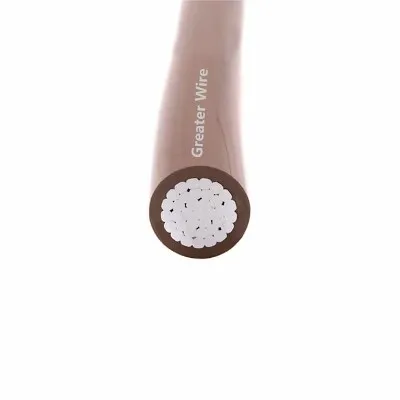
5. Compliance and Ratings
Electrical installations must comply with NEC (National Electrical Code) and UL standards.
RHH/RHW-2 is certified under UL 44 and is NEC-approved for use in conduit, underground ducts, and environments requiring flame resistance.
XHHW/XHHW-2 is also UL 44-listed and meets the requirements for dry/wet locations in conduit and raceways.
Fire Resistance & Environmental Ratings:
RHH offers high-temperature flame resistance, often used in high-risk environments.
XHHW-2 is UV-resistant and performs well outdoors, especially where chemical exposure is expected.
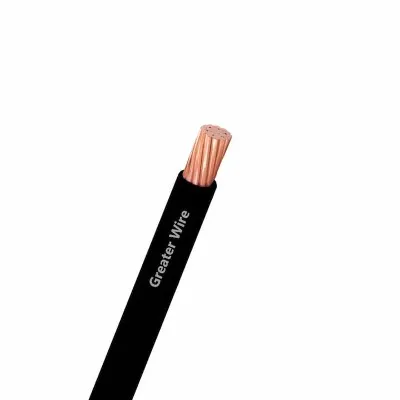
6. Summary Table: Quick Comparison Guide
Here's a snapshot for quick reference:
| Wire Type | Insulation | Max Temp | Wet Use | Flexibility | Best For |
|---|---|---|---|---|---|
| RHH | Rubber | 90°C (dry) | No | High | Indoor high-heat environments |
| RHW-2 | Rubber | 90°C (wet/dry) | Yes | High | Wet/underground conduits |
| XHHW | XLPE | 90°C (dry), 75°C (wet) | Limited | Medium | Indoor conduits |
| XHHW-2 | XLPE | 90°C (wet/dry) | Yes | Medium | Outdoor, commercial & industrial use |

7. FAQs
Q1: Can XHHW-2 be used underground like RHW-2?
Yes, XHHW-2 is rated for use in wet and underground environments, similar to RHW-2.
Q2: Is RHH the same as RHW-2?
Not exactly. While both use rubber insulation, RHH is only for dry conditions, whereas RHW-2 is for both wet and dry applications.
Q3: Which is more heat resistant: XHHW-2 or RHW-2?
Both are rated to 90°C in wet and dry environments. However, RHW-2 may offer more thermal stability due to rubber insulation.
Q4: Does XHHW-2 cost less than RHW-2?
Generally, yes. XHHW-2 tends to be more cost-effective due to the XLPE material being less expensive than rubber.

Dongguan Greater Wire & Cable Co., Ltd. provides a full range of professional cable products, from cross-linked cables to PVC, rubber and silicone cables, serving a wide range of key industries. We always take "customer-oriented, quality first" as our core concept to ensure that every customer can get a stable and suitable cable solution. If you have any procurement or technical questions, please feel free to contact us.