























1. What Are THHN and XHHW-2 Wires?
1.1 What is THHN?
THHN (Thermoplastic High Heat-resistant Nylon-coated) is a widely used building wire featuring thermoplastic PVC insulation and a nylon outer coating. It is commonly used in commercial dry environments.
Conductor Material: Copper or Aluminum
Insulation: PVC (Polyvinyl Chloride)
Jacket: Nylon coating
Voltage Rating: 600V
Typical Use: Dry indoor conduit systems
1.2 What is XHHW-2?
XHHW-2 (Cross-linked High Heat and Water-resistant - 2) is a wire insulated with cross-linked polyethylene (XLPE), offering superior moisture resistance and higher heat tolerance.
Conductor Material: Typically copper or aluminum
Insulation: XLPE
Voltage Rating: 600V or 1000V
Typical Use: Dry, wet, or underground installations
2. Performance Comparison
2.1 Temperature Ratings
THHN: Rated for 90°C in dry environments, 60°C in wet conditions.
XHHW-2: Rated for 90°C in both dry and wet conditions, offering better high-temperature performance.
Case Study 1: Data Center Wiring
A tech company building a new data center needed wires for underfloor cable trays. Due to potential condensation from HVAC systems, engineers chose XHHW-2 copper wire over THHN to ensure moisture resistance and long-term reliability.
2.2 Moisture and Weather Resistance
THHN: Nylon jacket offers limited water resistance; not recommended for direct burial or continuous wet exposure.
XHHW-2: Excellent moisture and corrosion resistance; suitable for underground or outdoor installations.
2.3 Flexibility and Installation
THHN: More flexible and easier to pull through conduits.
XHHW-2: Stiffer due to XLPE insulation, making installation slightly more challenging.
Case Study 2: Office Renovation Project
In a renovation of a 40-year-old office building, existing conduit space was tight. Contractors opted for THHN wire, which offered better flexibility and saved approximately 30% on labor costs.
2.4 Voltage and Ampacity
THHN: Rated for up to 600V; standard ampacity.
XHHW-2: Can handle up to 1000V; suitable for high-power applications.

3. Application Scenarios
| Application | Recommended Type | Reason |
|---|---|---|
| Dry indoor commercial settings | THHN | Easier installation, cost-effective |
| Underground or wet locations | XHHW-2 | Water-resistant and durable |
| High-temperature industrial areas | XHHW-2 | Excellent heat resistance |
| Conduit installations | THHN | Easier to pull and bend |
Case Study 3: Underground Parking Lot Lighting
During the construction of a residential tower's underground parking, THHN was initially selected. However, due to high humidity and condensation risks, the engineer switched to XHHW-2 aluminum cable, which passed all moisture-related safety tests after installation.

4. Regulatory Standards
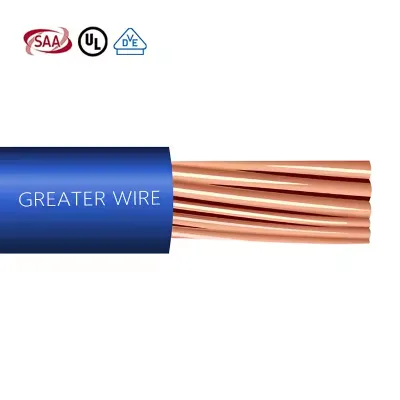
Both wire types must comply with NEC (National Electrical Code) and UL certifications:
THHN: Complies with UL 83
XHHW-2: Complies with UL 44
NEC Guidelines: XHHW-2 is preferable in damp or underground environments per Section 310.15(B)
5. Cost Comparison & Selection Advice
| Feature | THHN | XHHW-2 |
|---|---|---|
| Material Cost | Lower | Higher |
| Installation Cost | Lower | Slightly higher |
| Service Life | Moderate | Long |
| Safety Performance | Standard | Excellent |
Selection Recommendations:
Use THHN when budgets are tight, and conditions are dry and controlled.
Use XHHW-2 for underground, outdoor, or wet locations with high reliability requirements.
For high-temperature or long-term performance, XHHW-2 offers better protection.

6. Frequently Asked Questions
Q1: Can THHN be used for underground installations?
A: Not recommended unless enclosed in a waterproof conduit system. It is not moisture-rated on its own.
Q2: Is XHHW-2 suitable for outdoor use?
A: Yes. XHHW-2 has excellent UV, water, and aging resistance, ideal for outdoor installations.
Q3: Can THHN and XHHW-2 be mixed in the same system?
A: Technically yes, if both meet code requirements, but using one type simplifies maintenance and code compliance.
Q4: Should I choose copper or aluminum conductors?
A: Copper offers better conductivity and durability but at a higher price. Aluminum is more economical but may require a larger wire gauge.

Dongguan Greater Wire & Cable Co., Ltd. offers a wide range of professional cables, including cross-linked, PVC, rubber and silicone cables, which are widely used in high-standard industries such as engineering construction, medical equipment and aviation. We are committed to creating safe, durable and efficient cable products for our customers to ensure that every application of yours can achieve the best results. If you need selection advice, technical support or product quotes, please contact us immediately. Greater, your reliable cable partner.