

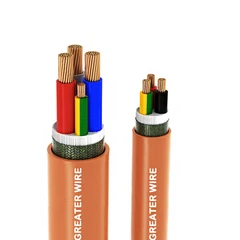
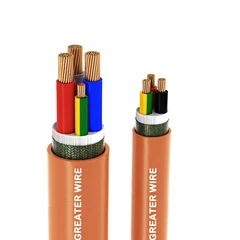

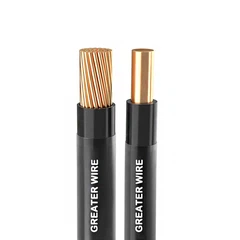
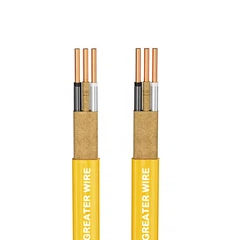
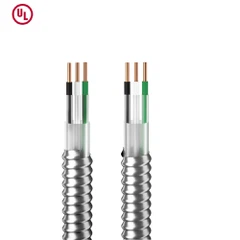
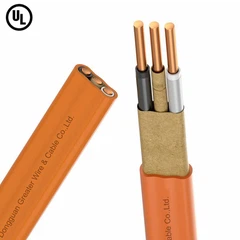
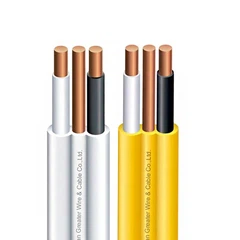
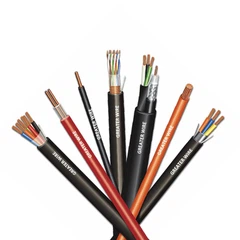
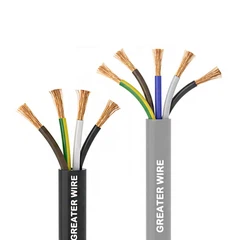
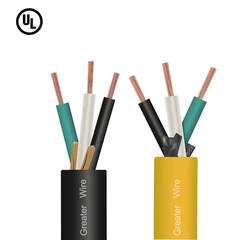
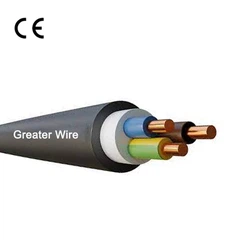
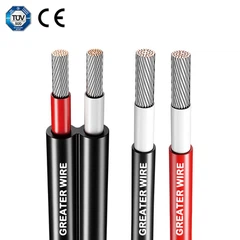

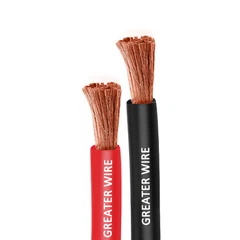
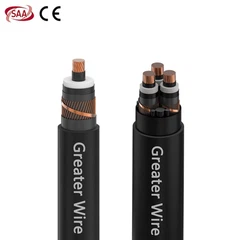
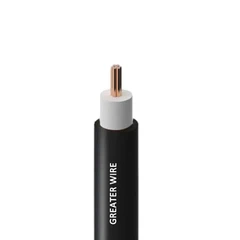
In modern electrical and industrial systems, selecting the right wire is crucial for ensuring safety, reliability, and optimal performance. Among the most widely used appliance wiring solutions are UL3135 Cable and UL3530 Cable, each engineered to meet specific standards and applications. Understanding their differences in temperature tolerance, voltage rating, and flexibility can help engineers, project managers, and procurement specialists make informed decisions that maximize both safety and efficiency.
What Is UL3135 Cable?
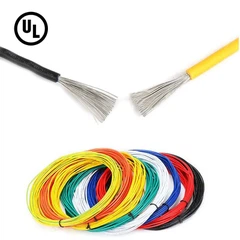
UL3135 Cable is a high-performance appliance wire commonly used for internal wiring in household appliances, industrial machinery, and office equipment. Constructed with stranded copper conductors and thermoplastic or thermoset insulation, it provides excellent flexibility and durability in confined spaces or dynamic installations.
One of UL3135 Cable's key advantages is its high-temperature resistance, allowing operation in environments up to 105°C or higher, depending on insulation type. This ensures reliable conductivity and safety in ovens, heaters, washing machines, and robotic machinery. Its stranded conductor design allows easy bending and routing within tight enclosures, making it ideal for complex installations where static and dynamic stress are present.
Furthermore, UL3135 Cable is fully certified to meet UL standards, ensuring compliance with international safety and quality requirements. Its proven reliability makes it a go-to choice for engineers looking to balance cost-effectiveness with performance in residential, commercial, and light industrial applications.

What Is UL3530 Cable?
UL3530 Cable is designed for high-demand applications that require enhanced voltage ratings and mechanical durability. Like UL3135, it features stranded copper conductors and high-quality insulation, but it is built to withstand higher voltages and offers slightly improved mechanical toughness. Its heat resistance typically ranges from -40°C to +105°C or +125°C, depending on the insulation variant, making it suitable for industrial and automation applications where both electrical load and environmental stress are significant factors.
UL3530 Cable is frequently used in industrial control panels, robotics, laboratory instruments, and high-performance machinery, where both high-temperature tolerance and consistent electrical performance are essential. Its construction ensures stable conductivity over long-term usage and under demanding operational conditions, while its insulation provides protection against mechanical wear, bending, and heat exposure.
Differences between UL3135 and UL3130Z in Temperature
UL3135 and UL3130Z are both silicone rubber-insulated electrical cables, but they differ significantly in their temperature resistance. UL3135 is typically rated for an operating temperature of -60°C to +200°C, making it suitable for long-term use in high-temperature environments. Therefore, it is often used in high-temperature equipment, industrial machinery, or other applications requiring heat resistance. In contrast, UL3130Z, with a temperature rating of -20°C to +105°C, has a lower temperature resistance and is more suitable for cabling in normal or moderate temperature environments, such as general electronic equipment and household appliances. When selecting a cable, choose the appropriate model based on the actual operating temperature and application environment to ensure cable safety and reliability.
Differences between UL3135 and UL3130Z in voltage
The main difference between UL3135 and UL3130Z in terms of voltage lies in their rated voltage levels and suitable applications:
UL3135: Typically rated for 300V, sometimes up to 600V depending on specific construction and manufacturer. Its higher voltage rating, combined with excellent high-temperature resistance, makes it suitable for industrial equipment, high-power electronics, and situations requiring reliable insulation under both thermal and electrical stress.
UL3130Z: Generally rated for 300V, and in some cases up to 600V, but it is primarily designed for standard electronic and appliance wiring rather than high-temperature industrial use.
While both cables may share similar nominal voltage ratings, UL3135 is optimized for higher-stress applications due to its combination of voltage rating and high-temperature performance, whereas UL3130Z is more suited to moderate-voltage, standard-temperature scenarios.
Differences between UL3135 and UL3130Z in Flexibility
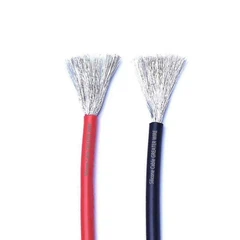
The flexibility of UL3135 and UL3130Z differs depending on their conductor construction and insulation design. UL3135 typically utilizes finely stranded tinned copper conductors with silicone rubber insulation, making it highly flexible and ideal for applications requiring frequent bending, movement, or cabling in confined spaces. While UL3130Z also utilizes silicone rubber insulation, it typically has fewer strands or a slightly stiffer construction, resulting in moderate flexibility and suitability for standard cabling that doesn't require frequent bending.
In summary, UL3135 offers superior flexibility for dynamic or high-mobility environments, while UL3130Z is more suitable for stationary or low-mobility environments.
How to Choose the Right Cable
Selecting between UL3135 and UL3530 Cable depends on a few key factors: voltage requirements, environmental conditions, mechanical stress, and flexibility needs. For low- to medium-voltage applications, residential or light commercial projects, UL3135 offers optimal performance at a lower cost, with excellent flexibility and ease of installation. Conversely, UL3530 is the preferred choice for industrial applications, high-voltage equipment, and environments where mechanical wear and thermal stress are greater.
For instance, a factory wiring a new assembly line with robotics would likely benefit from UL3530 Cable, while an appliance manufacturer producing ovens and washing machines might choose UL3135 Cable to optimize cost and maintain flexibility. Consulting a professional supplier ensures that the cable meets both performance and regulatory standards, providing long-term safety, reliability, and efficiency.
Why Choose Greater Wire?
Dongguan Greater Wire & Cable Co., Ltd. is a trusted manufacturer of UL3135 and UL3530 Cables, offering internationally certified products to meet UL, IEC, CE, and SAA standards. Our advanced production lines and stringent quality control ensure that every cable delivers consistent flexibility, heat resistance, and electrical reliability.
With over 30 years of experience, we provide:
- Certified Products: UL-compliant cables for both residential and industrial applications.
- Custom Solutions: Tailored conductor sizes, insulation thickness, and cable lengths to meet specific project needs.
- Global Distribution: Exporting to North America, Oceania, Europe, and Asia with professional support.
- Technical Expertise: Consultation for selecting the most suitable cable based on operational, environmental, and electrical requirements.
Partnering with Greater Wire ensures high-quality cables, expert guidance, and compliance assurance for any residential, commercial, or industrial project.
UL3135 and UL3530 Cables are engineered to deliver reliable performance, heat resistance, and flexibility, but their application focus differs. UL3135 is ideal for residential and light commercial uses, providing high flexibility and moderate voltage support, while UL3530 offers enhanced voltage ratings, temperature tolerance, and mechanical durability, perfect for industrial and high-demand environments. Choosing the right cable ensures safety, efficiency, and long-term reliability. With Dongguan Greater Wire & Cable Co., Ltd., clients receive not only premium-quality wiring but also technical expertise, customization options, and global support.
📞 Dongguan Greater Wire & Cable Co., Ltd.
Tel/WhatsApp/Wechat: +86 135 1078 4550 / +86 136 6257 9592
📧 Email: manager01@greaterwire.com