

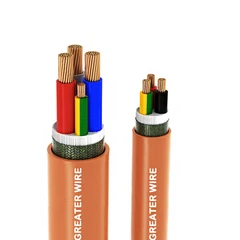
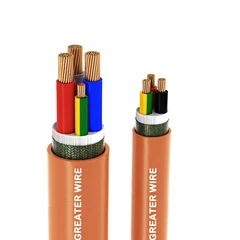

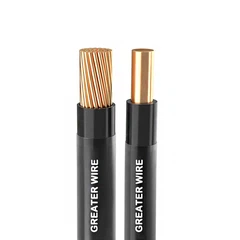
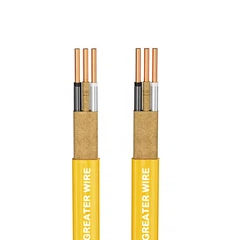
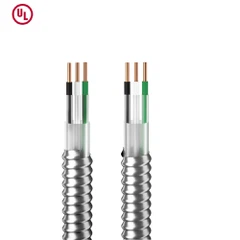
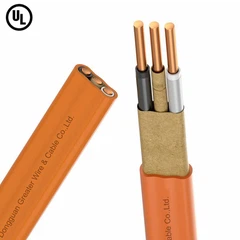
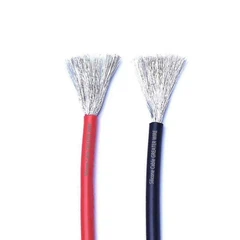
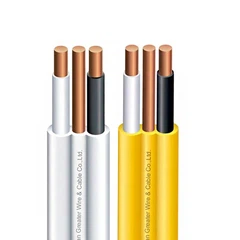
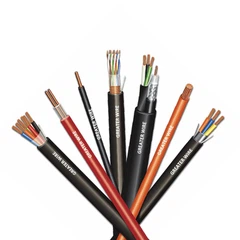
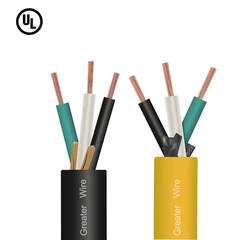
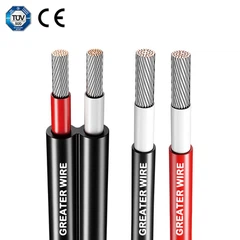

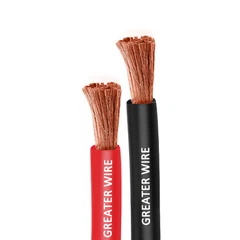
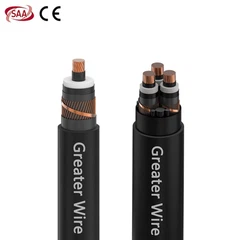
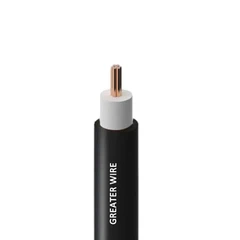
In today's electrical infrastructure, the performance and reliability of cables are crucial to the smooth operation of electrical systems. Among the many types of cables used in various applications, TPS cables (Thermoplastic Sheathed cables) are highly regarded for their excellent electrical performance and versatile properties. Understanding the electrical performance of TPS cables can help engineers and electricians make informed decisions when selecting the appropriate cable for different environments and applications.
This article will explore the various advantages of TPS cables in terms of electrical performance, focusing on the key benefits provided by TPS electrical cables. We will also look at the specific performance benefits of flat TPS cables and how their design influences electrical reliability and efficiency in different settings.
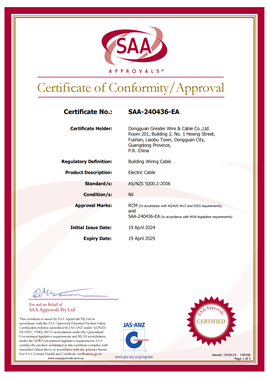

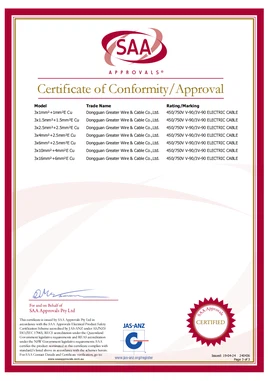
1. What are TPS Cables?
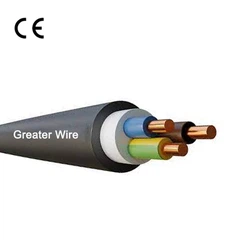
Before discussing the electrical performance of TPS cables, it is essential to understand their structure and composition. TPS cables are a type of electrical cable that consists of:
Conductors: Typically made of copper or aluminum, these are responsible for carrying the electrical current. The quality of the conductor material plays a significant role in the cable's conductivity and overall performance.
Insulation: This layer covers the conductor, preventing short circuits and ensuring the safe transmission of electricity. PVC (Polyvinyl Chloride) is commonly used for the insulation in TPS cables, although LSZH (Low Smoke Zero Halogen) insulation may be used for enhanced safety.
Sheath: The outer layer protects the cable from physical damage and environmental factors. TPS cables have a thermoplastic sheath, typically made of PVC, which provides mechanical protection.
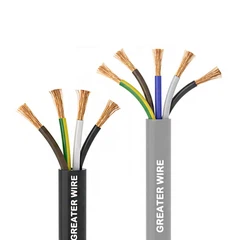
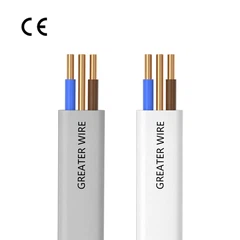
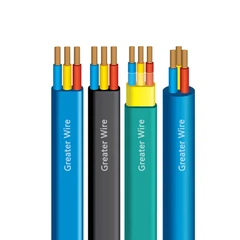
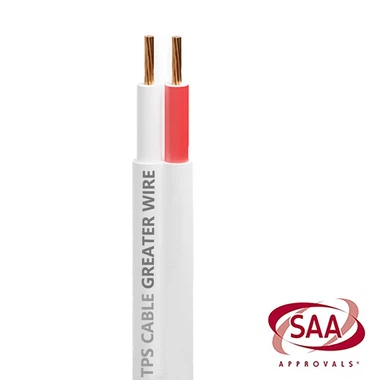
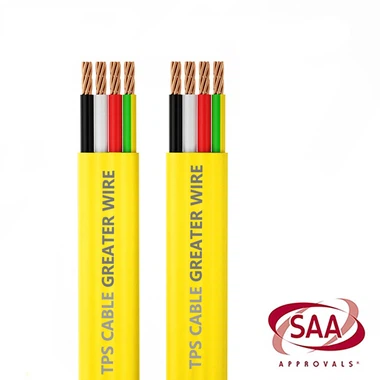
Flat TPS cables are a variant of the traditional round TPS cables. They have a flat profile, making them more suitable for specific installations where space constraints exist or flexibility is required. While the structure of TPS cables is relatively simple, the electrical performance of these cables is influenced by several key factors, including the type of conductor material, the insulation properties, and the overall construction of the cable.
2. Electrical Performance Advantages of TPS Cables
When considering the electrical performance of TPS electrical cables, there are several advantages that make these cables suitable for a wide range of applications, including residential, commercial, and industrial systems.
2.1 High Conductivity
The conductivity of the cable is one of the most important electrical performance metrics. TPS cables typically use copper or aluminum conductors, which are known for their high conductivity. Copper is the most commonly used conductor material for TPS electrical cables due to its excellent electrical conductivity, which allows for efficient transmission of electrical current with minimal energy loss.
Copper Conductors: Copper is an ideal conductor material because it offers low resistance and is highly efficient in conducting electricity. Copper's high conductivity ensures that electrical signals can be transmitted quickly and reliably, making TPS cables a preferred choice in applications where high efficiency and minimal power loss are essential.
Aluminum Conductors: While copper is often preferred, aluminum conductors are also used in some TPS cables. Although aluminum has slightly lower conductivity than copper, it is still highly effective and offers a more cost-effective option for larger cable sizes or applications where weight reduction is important.
The high conductivity of TPS cables ensures that the cables can carry the required amount of electrical current over long distances without significant voltage drop or overheating. This is crucial for maintaining the efficiency and reliability of electrical systems.
2.2 Flexibility and Easy Installation
The flexibility of TPS cables, especially flat TPS cables, is one of their standout advantages in terms of electrical performance. Flat TPS cables are designed to be highly flexible, which makes them easier to install, particularly in confined spaces or complex layouts where traditional round cables may be difficult to handle.
Flat Design: The flat design of flat TPS cables allows them to fit in tight spaces, such as beneath floors, within walls, or along the edges of machinery. This flexibility reduces the time and effort required for installation, ensuring that cables can be laid quickly and effectively.
Bend Radius: TPS cables typically have a smaller bend radius, meaning they can be bent around corners or obstacles without damaging the cable or reducing performance. This allows for more efficient routing and minimizes the risk of cable failure due to physical strain.
The increased flexibility of TPS cables makes them an ideal choice for installations in dynamic environments where cables need to be routed through challenging paths. This flexibility also contributes to reducing wear and tear on the cables, improving their overall lifespan and reliability.
2.3 Durability and Long Service Life
Another key factor that contributes to the electrical performance of TPS cables is their durability and ability to withstand harsh environments. The thermoplastic sheath of TPS cables provides an additional layer of protection against physical damage, chemicals, and environmental factors.
Impact Resistance: The PVC sheath in TPS cables is designed to withstand mechanical stress, including impact, abrasion, and tearing. This is especially important in environments where cables are subject to physical wear, such as industrial plants or construction sites.
Chemical Resistance: The sheath of TPS cables is resistant to many chemicals, oils, and solvents, making them suitable for use in environments where cables may come into contact with such substances. This chemical resistance helps maintain the integrity of the insulation and ensures that the cables continue to function properly over time.
Environmental Protection: TPS cables are designed to perform in a variety of environments, including outdoor settings. The thermoplastic sheath protects the cable from UV radiation, moisture, and temperature extremes, making them suitable for both indoor and outdoor installations.
The combination of impact resistance, chemical resistance, and environmental protection ensures that TPS cables maintain their electrical performance over a long service life, even in challenging conditions.
2.4 Resistance to Electrical Interference
Electrical interference, such as electromagnetic interference (EMI) and radio frequency interference (RFI), can disrupt the performance of electrical systems and cause signal degradation. TPS electrical cables are designed to minimize the impact of interference, ensuring that electrical signals remain clear and consistent.
Shielding: While TPS cables do not always come with additional shielding, many variants include foil shielding or braided shields that help reduce EMI and RFI. The addition of this shielding improves the quality of signal transmission and ensures that the cable can be used in sensitive environments, such as data centers or medical facilities.
Insulation Properties: The insulation in TPS cables also helps to protect the conductors from external interference. Materials like PVC are effective in preventing the penetration of external electromagnetic signals, ensuring that the cable's performance remains stable and reliable.
The ability to resist electrical interference enhances the overall electrical performance of TPS cables, making them suitable for use in sensitive applications where signal integrity is essential.
2.5 Heat Resistance
The heat resistance of TPS cables is an essential factor in determining their performance in high-temperature environments. TPS cables are designed to operate within a certain temperature range, typically between -15°C and 70°C, although some variants may have higher or lower temperature tolerances.
Thermal Stability: TPS cables are constructed with materials that can withstand high temperatures without degrading. The PVC or LSZH insulation provides thermal stability, ensuring that the cable will not melt or lose its insulating properties under normal operating conditions.
Overload Resistance: TPS cables can also handle short-term overloads, where the current exceeds the normal operating limit for a brief period. This is particularly useful in applications where occasional surges or spikes in electrical current may occur.
The heat resistance of TPS cables ensures that they maintain their electrical performance even in environments with fluctuating or high temperatures, making them a versatile choice for various applications.
3. Applications of TPS Cables
The excellent electrical performance of TPS cables makes them suitable for a wide range of applications across various industries. Some of the most common applications include:
3.1 Residential Wiring
TPS cables are widely used for residential wiring, including power distribution, lighting, and appliance connections. Their high conductivity, flexibility, and durability make them ideal for use in homes, where both safety and reliability are paramount.
3.2 Commercial and Industrial Installations
In commercial and industrial installations, TPS electrical cables are used for powering machinery, equipment, and lighting systems. The chemical resistance, impact resistance, and flexibility of flat TPS cables make them ideal for environments with high levels of physical stress and exposure to chemicals.
3.3 Outdoor and Underground Applications
Due to their environmental protection features, TPS cables are also used for outdoor and underground applications. The thermoplastic sheath protects the cables from UV rays, moisture, and temperature fluctuations, ensuring reliable performance in harsh conditions.
3.4 Data Transmission Systems
While TPS cables are primarily used for power distribution, certain variants with shielding are also used in data transmission systems, where signal integrity is crucial. Their ability to resist electrical interference makes them suitable for use in sensitive environments.