























1. Chemical Resistance of XHHW Wire: Insulation and Material Science
XHHW wire's chemical resistance stems from its cross-linked polyethylene (XLPE) insulation, a thermoset material that does not soften under high temperatures. Unlike thermoplastic insulations like PVC (used in THHN wire), XLPE retains its structural integrity even when exposed to oils, acids, solvents, and ozone. Key factors include:
Resistance to Hydrocarbons: XHHW's thick XLPE jacket resists degradation from oils, gasoline, and greases, making it ideal for industrial settings where chemical exposure is common.
Ozone and UV Resistance: The cross-linked molecular structure of XLPE prevents cracking under prolonged UV exposure, a critical feature for outdoor and underground installations.
Toxic Emission Control: Unlike PVC, XLPE does not emit harmful smoke when burned, enhancing safety in fire-prone environments.
Studies on polymer nanocomposites (e.g., jute fiber-reinforced polyethylene) highlight how cross-linked matrices improve chemical resistance by reducing permeability to corrosive agents. This principle aligns with XHHW's design, where XLPE's dense structure minimizes infiltration by moisture and chemicals.
2. XHHW-2 Wire Specifications: Beyond Basic Ratings
The XHHW-2 wire specification represents an upgraded version of traditional XHHW, optimized for broader environmental adaptability. Key specifications include:
Temperature Ratings: XHHW-2 is rated for 90°C in both wet and dry conditions, outperforming older iterations limited to 75°C in wet environments.
Voltage Capacity: Approved for up to 600V, XHHW-2 is suitable for high-demand circuits in commercial and industrial buildings.
Flexibility: Despite its thicker insulation, XHHW-2's XLPE coating allows superior bendability compared to rigid thermoplastics like PVC, simplifying installation in tight conduits.
For underground applications, XHHW-2's water resistance and resilience to soil acids make it a preferred choice for direct burial, provided it meets local codes for depth and conduit use.

3. XHHW Building Wire: Applications in Harsh Environments
As a building wire, XHHW excels in scenarios requiring long-term durability:
Industrial Facilities: Resists chemical spills, lubricants, and cleaning agents common in manufacturing plants.
Underground Installations: XLPE's impermeability to moisture and soil contaminants ensures reliability in subterranean circuits, such as outdoor lighting or utility feeds.
High-Temperature Zones: Suitable for HVAC systems and machinery where heat buildup is inevitable.
Case studies on corrosive-wear-resistant coatings (e.g., TiC-reinforced Fe30 coatings) emphasize the importance of material microstructure in resisting chemical degradation-a principle mirrored in XHHW's engineered insulation.
4. XHHW Conductors: Materials and Performance
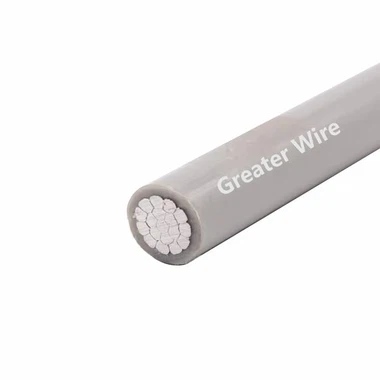
XHHW conductors are typically copper or aluminum, chosen for their conductivity and compatibility with XLPE insulation.
Copper Conductors: Offer superior conductivity and corrosion resistance, ideal for high-performance applications.
Aluminum Conductors: Lightweight and cost-effective, though require anti-oxidation treatments to prevent degradation in humid conditions.
Recent advancements in nanoclay-reinforced composites (e.g., jute/polyethylene blends) demonstrate how filler materials enhance mechanical and chemical resistance-a concept applicable to XHHW's conductor-insulation synergy.

5. XHHW-2 Underground: Installation and Longevity
For underground use, XHHW-2 must adhere to specific guidelines:
Conduit Compatibility: While direct burial is possible, conduits add an extra layer of protection against mechanical damage and groundwater ingress.
Chemical Resistance Testing: Standards like UL 44 and ICEA S-95-658 validate XHHW-2's performance against acids, alkalis, and hydrocarbons.
Case Study: In corrosive soil environments, XHHW-2's XLPE insulation outperforms PVC-based wires, which may degrade and leak current over time.
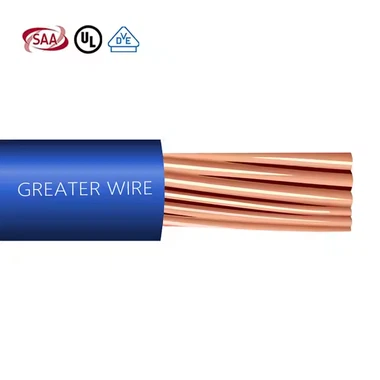
Dongguan Greater Wire & Cable Co., Ltd. is well aware of the dual pursuit of cable quality and price in the US market. We have a modern production plant, and the production process strictly follows international standards to ensure stable product quality. The R&D team continues to overcome technical difficulties and launch cables that are more suitable for the complex climate and construction needs of the United States. Our products are all UL certified. For example, XHHW WIRE meets the UL44 standard and has excellent insulation performance. Moreover, our price is 25% lower than similar products in the United States, providing you with cost-effective cable solutions.