























Electrical wires come in various types and colors, each serving specific purposes and adhering to particular safety standards. One of the most commonly seen colors in electrical wiring is orange, a color that is both distinctive and functional in its role. Orange electrical wire is frequently used in both residential and industrial applications, and it holds particular significance due to its visibility and safety features. But what exactly is orange electrical wire? This article will delve into the specifics of orange electrical wire, including the types of wire that typically come in orange, their uses, the relevant standards such as the SAA certificate, Australia Standard, and AS/NZS 5000.1, and how these wires contribute to safer electrical systems.
Understanding Orange Electrical Wire
Orange electrical wire refers to any wire that features orange-colored insulation, typically used for specific electrical applications. The color orange is not arbitrarily chosen; rather, it is selected because of its high visibility. This color is often used to signify that the wire is intended for particular purposes, such as high-voltage circuits, safety-related applications, or specific types of wiring that require identification in complex installations.
The insulation material of orange electrical wire is typically made from various polymers, each designed to provide specific protective properties. These properties include electrical insulation, resistance to environmental factors (such as heat, moisture, and chemicals), and durability against physical wear and tear. This makes orange wires ideal for both residential and industrial uses.
Orange electrical wire is most commonly associated with circuit wiring, power distribution, safety circuits, and emergency systems. In addition to its functional applications, the bright orange color also helps to minimize mistakes and accidents in complex wiring systems where various wires of different colors are used.
Common Types of Orange Electrical Wire
The color orange is used for a variety of different wire types, and it is important to understand the specific type of wire to ensure it is used appropriately. Some of the most common types of orange electrical wire include:
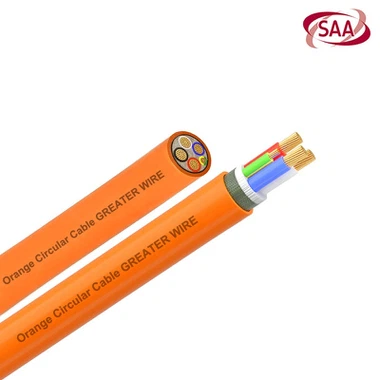
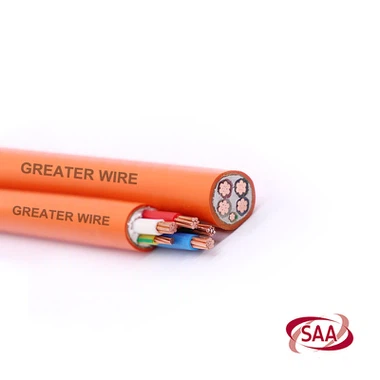
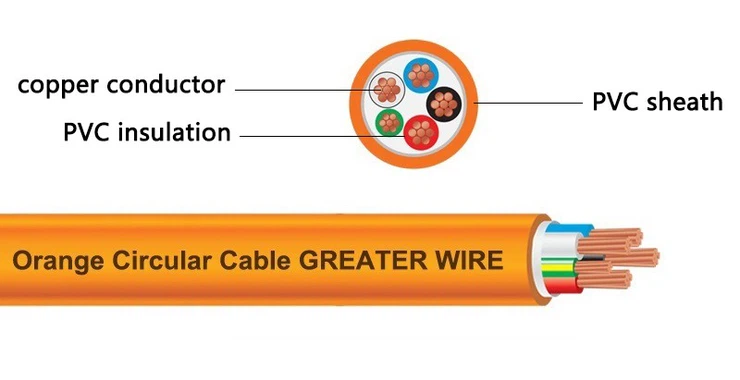
Orange Circular Cable One of the most recognized types of orange electrical wire is the orange circular cable, which features a round cross-section. These cables are generally used for a variety of applications, including power distribution, lighting circuits, and connections to various electrical equipment. They are often constructed using materials such as PVC (Polyvinyl Chloride), XLPE (Cross-Linked Polyethylene), or rubber insulation, depending on the specific needs of the application.
Orange circular cables are commonly found in environments where flexibility, high resistance to wear, and protection from external environmental conditions are crucial. The color itself is chosen for its visibility, particularly in industrial and outdoor settings where the wires need to be easily identifiable for safety reasons.
Power Cables Orange electrical wire is also commonly used in power cables, particularly in environments where the wiring is exposed to high currents or harsh conditions. Power cables may use orange-colored insulation to signify that the cable is part of a critical system such as emergency power circuits or specific machinery connections. These power cables need to meet various safety standards to prevent electrical hazards.
Low Voltage Wiring Orange wires are often used in low-voltage circuits, such as those found in lighting or alarm systems. For these types of applications, the color orange helps workers and electricians easily identify the wire during installation, maintenance, or troubleshooting tasks.
Fire-Resistant Cables In certain scenarios, particularly where safety is paramount, orange electrical wire may also be used in fire-resistant cables. These cables are designed to continue functioning during a fire, helping to ensure that critical systems, such as emergency lighting or fire alarms, remain operational when they are most needed.
Standards and Certifications for Orange Electrical Wire
The safety and reliability of orange electrical wire depend not only on the material and construction but also on its adherence to certain standards and certifications. In Australia, these standards ensure that electrical wiring is safe, durable, and effective for use in both residential and industrial settings.
SAA Certificate
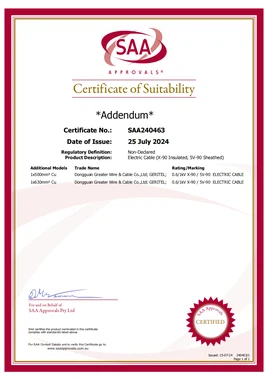
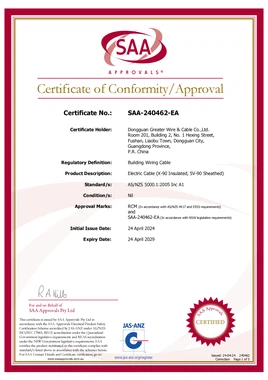
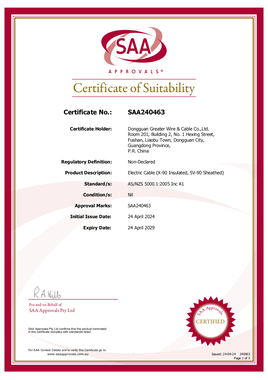
The SAA certificate (Standards Australia Accredited) is an essential certification for electrical products sold and used in Australia. This certification indicates that a product-such as an orange electrical wire-has been tested and complies with the necessary safety and performance standards required by Australian authorities. The SAA mark assures that the wire meets important criteria, including:
Electrical Safety: The wire must prevent electrical hazards such as shocks, shorts, or fires under normal operating conditions.
Durability: The wire must withstand environmental factors like heat, humidity, and physical wear and tear without degrading.
Compliance: The wire must conform to local regulations, such as those laid out in Australia Standard and AS/NZS guidelines.
For orange electrical wire, obtaining an SAA certificate means the cable has passed rigorous tests that confirm its safety and reliability for use in various installations, from residential homes to large-scale industrial applications.
Australia Standards
In Australia, electrical wiring and products must comply with Australia Standards, which are developed by Standards Australia and other relevant bodies. These standards ensure that electrical wiring is safe, efficient, and capable of performing its intended functions without posing risks to users or the environment.
For orange electrical wire, the relevant Australian standards typically include:
AS/NZS 3000: This standard outlines the general rules for electrical installations, including the requirements for wiring systems and their components. It is designed to ensure electrical safety in both residential and commercial buildings.
AS/NZS 5000.1: This standard specifies the requirements for cables for fixed wiring in buildings and other structures. It covers factors such as insulation material, temperature ratings, and resistance to fire. Orange electrical wire, such as orange circular cables, must meet these specifications to ensure safe installation and long-term reliability.
AS/NZS 5000.1 Standard
One of the most relevant standards for orange electrical wire in Australia is AS/NZS 5000.1. This standard deals with cables for fixed installations and specifies the minimum requirements for cables used in buildings, including their construction, safety features, and resistance to environmental factors. Key aspects of AS/NZS 5000.1 that apply to orange electrical wire include:
Insulation Type: The cable's insulation must be made from materials that offer good electrical properties and protection from environmental conditions. Common insulation materials include PVC, XLPE, and LSZH (Low Smoke Zero Halogen) materials, depending on the application.
Voltage Rating: Cables must be rated to handle specific voltage levels. Orange electrical wire is commonly used for 450/750V or 0.6/1kV voltage ratings, which are typical in residential and commercial installations.
Temperature Rating: Electrical cables, including orange circular cables, must be designed to handle specific temperature ranges. Cables used for most general applications typically have a temperature rating of 70°C or 90°C, while cables used in harsher environments may have a higher temperature rating.
Fire Resistance: Cables that meet AS/NZS 5000.1 must be fire-resistant or, at the very least, minimize the spread of fire and the release of toxic gases. This is particularly important for orange electrical wire used in safety-critical systems, such as fire alarms and emergency lighting circuits.
Applications of Orange Electrical Wire
Orange electrical wire is used in a variety of applications, especially where safety, visibility, and durability are key concerns. The most common applications include:
Power Distribution: Orange cables are often used in power distribution systems to carry electricity safely and efficiently across residential, commercial, and industrial buildings.
Safety and Emergency Systems: Many orange electrical wires are used for emergency power circuits, fire alarm systems, and emergency lighting. These critical systems need to remain operational in the event of power failure or fire, and the visibility of orange wires helps ensure quick identification during installation and maintenance.
Construction Sites: On construction sites, the high visibility of orange electrical wire makes it easy to spot cables amidst the other equipment and machinery. This reduces the risk of accidents or damage to wires during construction work.
Industrial Applications: In industrial environments, orange electrical wire is used to power machinery, equipment, and lighting. The cables are often designed to withstand tough conditions, such as exposure to chemicals, high temperatures, and mechanical wear.
Outdoor Installations: Many orange electrical wires are designed for outdoor use, offering protection against the elements, including UV rays, moisture, and extreme temperatures.