























In the world of solar power systems, the selection of the right solar cable is crucial for ensuring both safety and efficiency. Among the many cables available, the H1Z2Z2-K cable stands out as a reliable and durable option for outdoor installations, particularly in solar energy applications. This article focuses on the conductor material of the H1Z2Z2-K cable and explores its significance, advantages, and applications in the context of solar wire usage.

1. Understanding the H1Z2Z2-K Cable
Before diving into the specifics of the conductor material, it is essential to understand what the H1Z2Z2-K cable is and why it is preferred for solar energy installations.
The H1Z2Z2-K cable is a type of solar cable specifically designed for use in photovoltaic (solar power) systems. It is characterized by its high voltage rating, resistance to UV radiation, and its ability to withstand extreme environmental conditions. These cables are typically used to connect solar panels to inverters, as well as between other critical components in a solar energy system. Due to their excellent durability and safety features, H1Z2Z2-K cables are commonly used in both residential and commercial solar installations.

2. Conductor Material in Solar Cables
The conductor material of a solar cable plays a pivotal role in determining its electrical conductivity, durability, and overall performance in solar systems. The two most commonly used conductor materials in solar cables are copper and aluminum. Both materials have their advantages and disadvantages, but copper is widely regarded as the superior choice for high-performance cables due to its excellent conductivity and long-term reliability.
2.1 Copper vs. Aluminum: A Comparative Overview
Copper is known for its high electrical conductivity, which allows it to carry more current over long distances with minimal voltage drop. Copper conductors also have higher mechanical strength, making them more resistant to physical wear and tear, which is particularly important in outdoor solar wire applications.
Aluminum is lighter and generally more cost-effective than copper, but it has lower conductivity. This means that for the same current-carrying capacity, an aluminum conductor would need to be larger in diameter than a copper conductor. While aluminum is still used in some electrical wiring applications, copper remains the preferred choice in high-performance solar cables.
Given the demanding nature of solar installations, which often involve high voltages and exposure to harsh environmental conditions, copper conductors are typically favored for solar cables like the H1Z2Z2-K cable.
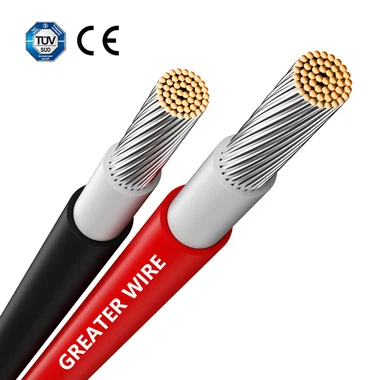
3. Conductor Material of H1Z2Z2-K Cable
The H1Z2Z2-K cable features copper conductors. Copper is widely regarded as the ideal material for solar wire applications due to several factors:
High Conductivity: Copper has an excellent electrical conductivity rating, which allows it to efficiently transfer power from solar panels to other components in the solar energy system, such as inverters or batteries. In a solar power system, the efficiency of power transmission directly impacts the overall energy yield, making copper a logical choice.
Durability and Corrosion Resistance: Copper is resistant to corrosion, particularly when coated with certain materials like tin or silver. This makes copper conductors ideal for long-term outdoor use in solar installations, where cables are exposed to various environmental factors such as moisture, UV radiation, and temperature fluctuations. Over time, aluminum cables can oxidize, leading to resistance build-up and performance degradation, which is less of a concern with copper.
Mechanical Strength: The H1Z2Z2-K cable is designed to withstand physical stress, and copper's mechanical properties ensure that the cable can endure bending, twisting, and other mechanical stresses encountered during installation and over the life of the system. Copper is also less prone to damage from thermal expansion and contraction compared to aluminum.
Flexibility: The copper conductors in the H1Z2Z2-K cable are more flexible than their aluminum counterparts. This flexibility makes installation easier, especially in tight spaces, and reduces the likelihood of damage due to bending or twisting.
Temperature Tolerance: Copper can withstand higher temperatures compared to aluminum without significant degradation. This is important for solar wire that needs to function effectively under varying environmental conditions, including high temperatures that may occur in outdoor installations.

4. Why Copper is Ideal for Solar Cables
The conductor material in solar cables must meet specific requirements for solar energy systems. These systems often operate in harsh environments, with outdoor solar panels exposed to the elements. Cables in these systems need to provide reliable power transmission while being resistant to various physical and environmental challenges. Here's why copper is the ideal choice for solar cables like the H1Z2Z2-K:
4.1 Excellent Performance in High Voltage Systems
Solar systems often operate at high voltages, sometimes exceeding 1 kV DC. Copper's low resistivity makes it the best conductor for such high-voltage applications. It ensures that the cable can handle large amounts of electrical power without excessive loss due to resistance, thus improving the system's overall efficiency. In a solar power system, reducing energy loss is critical for maximizing the return on investment and ensuring that the system produces the maximum possible energy.
4.2 Long-Term Durability
A solar cable needs to last for the entire lifespan of the solar energy system, which can exceed 20-30 years. Copper is inherently more durable and resistant to degradation compared to other materials. When exposed to the elements, copper conductors do not degrade as quickly as aluminum conductors, ensuring a longer-lasting connection between the solar panels and other system components.
The H1Z2Z2-K cable is designed for outdoor use, and its copper conductor is protected by a durable outer sheath that resists UV rays, extreme temperatures, and moisture. This makes it the ideal cable for outdoor solar power installations where environmental factors can be unpredictable.
4.3 Safety and Efficiency
Safety is paramount when designing solar power systems, as improper wiring can lead to system failures or safety hazards. Copper's high conductivity ensures that the cable operates efficiently, preventing overheating or power loss due to resistance. This minimizes the risk of fire hazards, which could occur if a cable becomes too hot due to inefficient current transmission. Copper's inherent safety properties make it the ideal choice for solar wire applications, where electrical performance and safety are critical.

5. Applications of Copper-Conductor H1Z2Z2-K Cables in Solar Systems
The copper conductor of the H1Z2Z2-K cable makes it a highly effective and reliable choice for solar installations. Below are some of the primary applications of these cables in the solar energy industry:
5.1 Solar Panel to Inverter Connections
The H1Z2Z2-K solar cable is commonly used to connect solar panels to the inverter, which converts the direct current (DC) power generated by the panels into alternating current (AC) power for use in homes or businesses. These connections require cables with high voltage ratings and low resistance to ensure that the energy is transferred efficiently and safely. The copper conductor in the H1Z2Z2-K provides the necessary conductivity for these critical connections.
5.2 Solar Battery Storage Systems
For solar systems that include energy storage, such as batteries, H1Z2Z2-K cables are used to connect the solar panels to the battery storage system and to connect the batteries to the inverter. The cables must be capable of handling high currents and voltages, especially in larger solar installations where multiple batteries are used. Copper conductors ensure that the energy is transferred without significant losses or risks.
5.3 Grid Connection
For systems that are connected to the electrical grid, H1Z2Z2-K cables are also used to transfer electricity from the solar inverter to the grid. These cables need to handle large amounts of power and ensure efficient transmission with minimal energy loss. Copper's high conductivity makes it the ideal material for these high-power connections.