

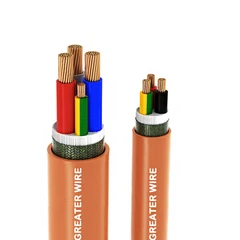
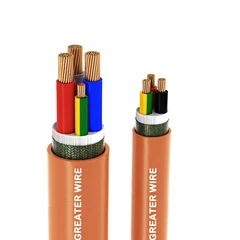



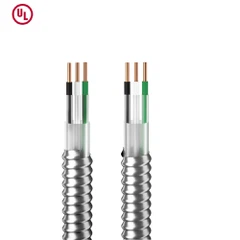



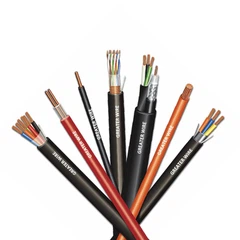
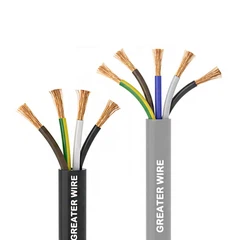
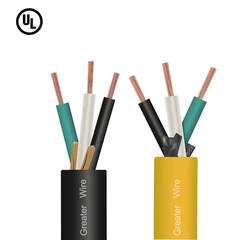
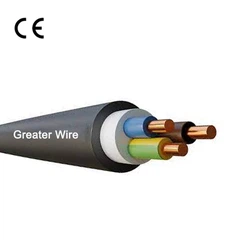
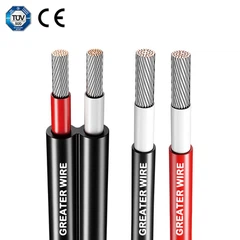

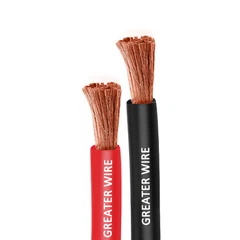
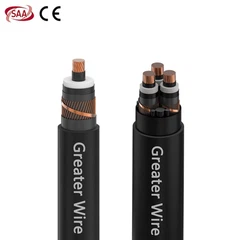
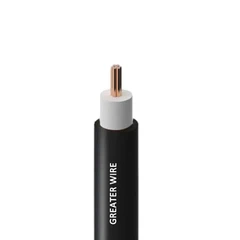

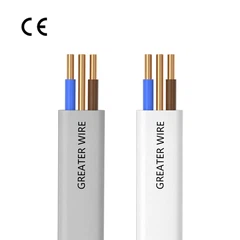
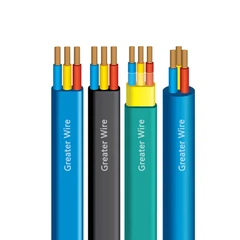
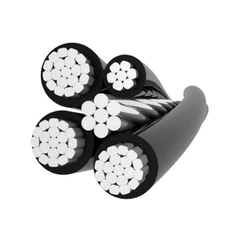
MV cable means medium voltage cable
HV cable means high voltage cable
The main differences between MV cables and HV cables are voltage levels, structural complexity, usage, and implementation standards.
Voltage level: The voltage level of MV cables is generally between 6/6KV and 26/35KV, while the voltage level of HV cable is much higher than that of MV cable, usually between 64/110KV and 290/500KV.
Structural complexity: The structure of medium voltage cables is relatively simple, usually consisting of basic components such as conductors, insulation layers, and inner protective layers. In contrast, the structure of high voltage cables is more complex, usually including conductors, insulation, inner protective layers, filling materials (armor), outer insulation, etc. Armored high-voltage cables are mainly used for burial, which can resist high-intensity compression on the ground and prevent damage from other external forces.
Purpose: MV cable are mainly used for power transmission and voltage conversion in the power sector, and are commonly used for long-distance power transmission and voltage level conversion in substations. HV cable are more commonly used for specific power transmission and distribution systems, typically requiring professional electrical workers for construction and maintenance.
Execution standards: The execution standards for medium voltage cables are GB/T12706.2-2008, while the execution standards for high voltage cables are GB/T 11017-2014 and Execution Standard 1 for 290/500kV.
In summary, there are significant differences between MV cables and HV cables in terms of voltage levels, structural complexity, usage, and execution standards, which determine their applicability in different power systems and application scenarios
