























Cables are a crucial part of any electrical system, acting as conduits for electricity to flow between devices. However, the type of cable used can greatly affect system performance, safety, and longevity. In photovoltaic (PV) systems, solar cables are specially designed to meet the unique demands of solar power installations, distinguishing them from standard electrical cables.
This article will delve into the differences between solar cables, such as H1Z2Z2-K and PV1-F, and normal cables, highlighting their features, applications, and standards to help you understand why solar cables are essential for PV systems.
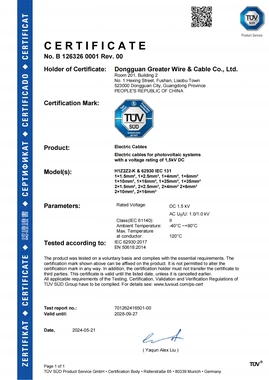
What Are Solar Cables?
A solar cable, also known as a photovoltaic cable, is specifically engineered for use in solar power systems. It interconnects solar panels, inverters, and other components, transmitting direct current (DC) generated by the panels efficiently and safely.
Solar cables, including the well-known H1Z2Z2-K and PV1-F types, are designed to withstand the harsh conditions encountered in outdoor installations, including high temperatures, UV radiation, and mechanical stress.
Key Characteristics of Solar Cables:
Durability: Built to endure prolonged exposure to sunlight, moisture, and extreme weather conditions.
Electrical Efficiency: Minimized resistance for reduced energy loss.
Safety: Flame-retardant and halogen-free to prevent toxic emissions during fire incidents.
Flexibility: Easy to install, even in complex system layouts.
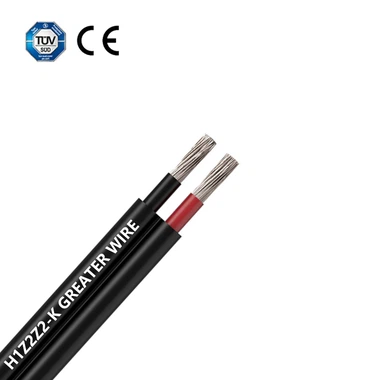
What Are Normal Cables?
Normal cables, also known as standard electrical cables, are designed for general-purpose electrical wiring. They are commonly used in residential, commercial, and industrial applications where environmental stress is less severe than in outdoor solar installations.
Key Characteristics of Normal Cables:
Indoor Use: Typically used in controlled environments with minimal exposure to extreme conditions.
Insulation: Often made with PVC or other materials suitable for moderate temperature ranges.
Cost-Effective: Generally less expensive than solar cables due to simpler construction and materials.
Limited UV Resistance: Not designed for prolonged outdoor exposure.
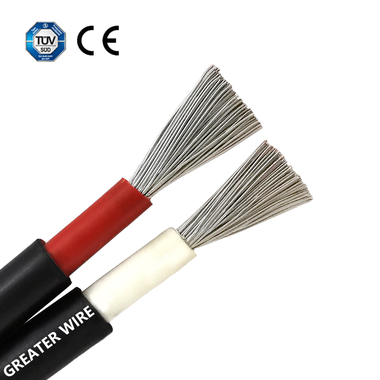
Key Differences Between Solar Cables and Normal Cables
| Feature | Solar Cable | Normal Cable |
|---|---|---|
| Design Purpose | Specifically for PV systems and outdoor use | General-purpose electrical wiring |
| Insulation Material | Cross-linked polyethylene (XLPE) or halogen-free compounds | PVC or thermoplastic materials |
| UV Resistance | Highly resistant to UV radiation | Limited or no UV resistance |
| Temperature Range | Wide range (-40°C to +120°C) | Moderate range (-10°C to +70°C) |
| Voltage Rating | Up to 1.5 kV DC (e.g., H1Z2Z2-K) | Varies, usually up to 450/750V AC |
| Durability | Designed for mechanical stress and harsh environments | Less robust, for controlled conditions |
| Compliance Standards | EN 50618 (H1Z2Z2-K), TÜV (PV1-F) | Varies based on region and application |
| Flame Resistance | Flame-retardant and halogen-free | May or may not be flame-retardant |
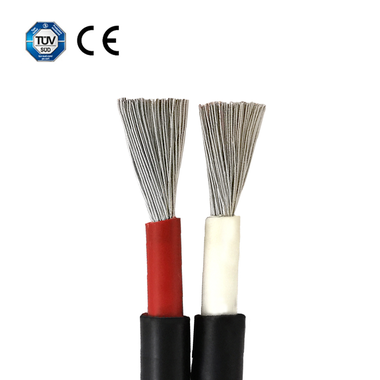
Solar Cable Standards: H1Z2Z2-K and PV1-F
1. H1Z2Z2-K Cables
H1Z2Z2-K is a premium standard for solar cables, designed for modern PV systems requiring higher voltage ratings and extreme durability.
Features of H1Z2Z2-K Cables:
Voltage Rating: Up to 1.5 kV DC.
Insulation: Cross-linked polyethylene (XLPE) for superior heat and mechanical resistance.
Standards Compliance: Meets EN 50618 and IEC 62930.
Applications: Ideal for utility-scale and large solar installations.
2. PV1-F Cables
PV1-F was the earlier industry standard for photovoltaic cables, widely used in smaller-scale solar installations.
Features of PV1-F Cables:
Voltage Rating: Up to 1.0 kV DC.
Insulation: Halogen-free flame-retardant compounds.
Flexibility: High mechanical flexibility for easier handling.
Applications: Suitable for residential and small commercial solar systems.
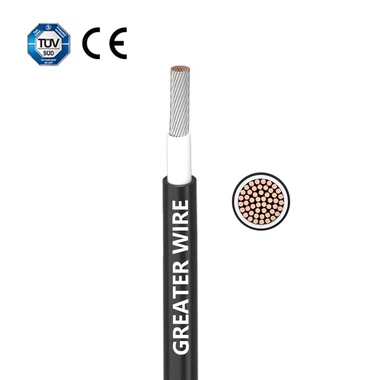
Why Solar Cables Are Better for PV Systems
Solar cables outperform normal cables in several critical aspects, making them indispensable for PV systems:
Resistance to Outdoor Conditions:
Solar cables are UV-resistant, making them suitable for rooftop and ground-mounted solar arrays exposed to sunlight for decades.
Normal cables degrade quickly when exposed to UV rays, moisture, and temperature extremes.
Wide Temperature Tolerance:
Solar cables like H1Z2Z2-K can operate in temperatures as low as -40°C and as high as +120°C.
Normal cables typically function within a narrower range, making them unsuitable for outdoor solar setups.
High Voltage Handling:
Solar cables can manage the high DC voltages generated by modern solar panels, with H1Z2Z2-K handling up to 1.5 kV DC.
Normal cables are generally limited to lower AC voltages, often insufficient for PV systems.
Longevity:
Solar cables are built for a lifespan of 25+ years, aligning with the typical lifespan of solar panels.
Normal cables often need replacement after a few years when exposed to environmental stresses.
Safety and Compliance:
Solar cables adhere to stringent international standards like EN 50618 (H1Z2Z2-K) and TÜV (PV1-F), ensuring fire safety and environmental compatibility.
Normal cables may not meet these standards, posing a risk in solar applications.
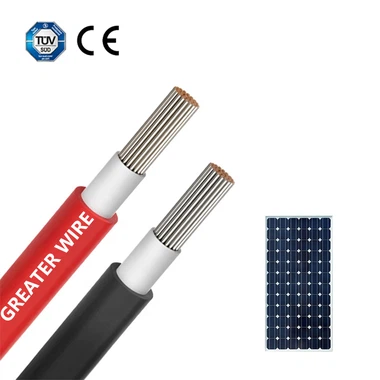
Choosing the Right Solar Cable
When selecting a solar cable, consider the following factors:
System Voltage:
For systems with higher voltage, use H1Z2Z2-K cables.
For smaller setups, PV1-F cables may suffice.
Environmental Conditions:
For installations exposed to harsh weather, choose cables with XLPE insulation (e.g., H1Z2Z2-K).
Cable Length and Layout:
Minimize voltage drop by planning cable routes efficiently.
Use solar cables with low resistance for long runs.
Compliance Standards:
Ensure cables meet EN 50618 or TÜV certifications for safety and durability.
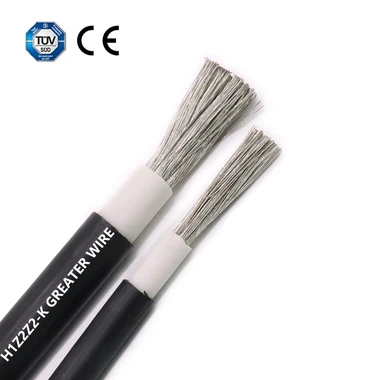
Applications of Solar Cables
Solar Module Interconnection:
Connects individual panels to form an array.
Inverter Connection:
Transmits DC power from the panels to the inverter for conversion to AC.
Battery Systems:
Links batteries and charge controllers in off-grid systems.
Grounding and Safety:
Provides a safe path for electrical faults, protecting the system and users.