



1. Overview and naming analysis of XHHW wires
The "XHHW" logo is actually a description of the comprehensive performance of the wire, and its name can be broken down into three parts:
X (Cross-linked)
"X" stands for cross-linked, indicating that the insulation material used in the wire has been chemically or physically cross-linked. The cross-linking process enables the polymer chains to form a strong mesh structure in three-dimensional space, which significantly improves the heat resistance, chemical resistance and aging resistance of the material.
HH (High Heat-resistant)
"HH" means high heat resistance. The cross-linked material can work stably for a long time in a high temperature environment, which is particularly important for power transmission systems. XHHW wires can usually be used at 90°C or even higher temperatures, meeting the requirements of industrial equipment and special projects for high temperature environments.
W (Water-resistant)
"W" stands for water-resistant. The insulation layer design of XHHW wires not only requires high temperature resistance, but also must have good waterproof and moisture resistance, which can effectively prevent moisture intrusion when installed underground, in tunnels or outdoors, ensuring the integrity of the insulation layer.
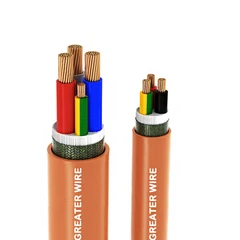
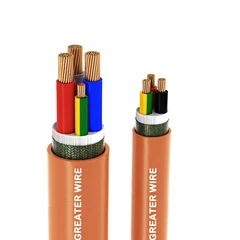
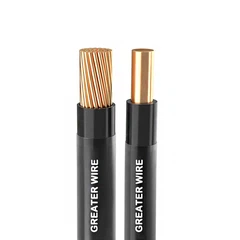
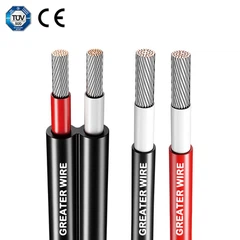
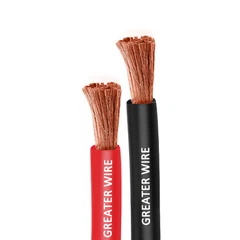
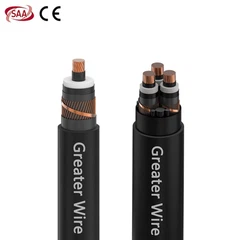
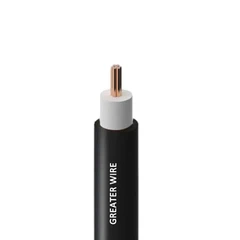
In addition, common XHHW products on the market include single wires (XHHW wire) and integrated cable systems (XHHW cable) composed of multiple XHHW wires. Products that have passed international certifications such as UL44 (UL44 XHHW wire) have met more stringent standards in terms of safety, heat resistance and waterproof performance.

2. The core of XHHW wire insulation materials - cross-linked polyethylene (XLPE)
1. Material composition and basic characteristics
At present, the most commonly used insulation material for XHHW wires is cross-linked polyethylene (XLPE). Compared with traditional thermoplastic insulation materials (such as PVC), XLPE has the following significant advantages:
Excellent heat resistance
The cross-linked polyethylene molecules form a three-dimensional network structure, which enables XLPE to work stably for a long time in high temperature environments. The working temperature can usually reach 90°C, and it can even maintain excellent performance under short-term high temperature shocks. For industrial equipment and building systems that need to operate in high temperature environments, this feature undoubtedly provides higher safety guarantees.
Excellent waterproof and moisture-proof effect
XLPE itself has a low water absorption rate, and with the optimized process design, its insulation layer can effectively prevent the penetration of water and moisture. When laid underground, in a humid environment or installed outdoors, this waterproof performance greatly reduces the risk of short circuit or insulation failure caused by moisture intrusion.
Chemical corrosion resistance and environmental adaptability
Cross-linked polyethylene shows high tolerance to a variety of chemicals (such as acids, alkalis, and oils). Therefore, in chemical plants, oil fields, and other highly corrosive environments, XLPE can maintain stable insulation performance and extend service life.
Mechanical strength and wear resistance
The mesh structure formed by cross-linked polyethylene during the processing process greatly improves the tensile strength and impact resistance of the material, making it less likely to be damaged by bending, friction, or external force during construction. As a result, XHHW wires can maintain long-term stable operation in various harsh environments.
2. Manufacturing process and cross-linking process
The preparation process of cross-linked polyethylene is a key step in achieving high performance of XHHW wires. The main process flow includes the following links:
Raw material selection
High-purity polyethylene resin is used as raw material, which is carefully screened and proportioned to ensure the stability and uniformity of the subsequent cross-linking reaction.
Cross-linking reaction
Common cross-linking methods include physical cross-linking (such as irradiation cross-linking) and chemical cross-linking (such as peroxide cross-linking). Irradiation cross-linking uses high-energy electron beams or gamma rays to cause cross-linking reactions between polyethylene molecular chains; while chemical cross-linking is to promote molecular chain cross-linking under high temperature conditions by adding cross-linking agents such as peroxide. Regardless of the method, precise process control is required to obtain the best three-dimensional network structure.
Extrusion molding
The polyethylene after the cross-linking reaction is uniformly heated and extruded in the extruder to form a continuous insulation layer wrapped around the outside of the conductor. In this process, the precise control of parameters such as temperature, pressure, and cooling rate is directly related to the quality and performance of the insulation layer.
Post-processing and quality inspection
The molded XHHW wires will undergo rigorous physical, chemical and electrical performance tests, including heat resistance, water resistance, tensile resistance, wear resistance and insulation resistance tests, to ensure that each batch of products meets the requirements of international standards such as UL44.
Through the above process, cross-linked polyethylene not only achieves a comprehensive improvement in material performance, but also ensures the stable operation of the product under long-term, high-load and harsh environments.

3. Advantages of cross-linked polyethylene over traditional insulating materials
1. Comparison with PVC insulating materials
Traditional PVC (polyvinyl chloride) is widely used in cable insulation due to its low cost and mature process. However, PVC has the following shortcomings:
Low temperature resistance
PVC is easy to soften, deform or age at high temperatures, and may experience performance degradation when working for a long time in an environment above 90°C. After cross-linking treatment, XLPE has higher heat resistance and can remain stable at higher temperatures.
Strong water absorption
PVC materials have strong water absorption in humid environments. Long-term use may reduce insulation performance due to water ingress and increase the risk of failure. In comparison, XLPE has significantly better waterproof and moisture-proof properties.
Poor chemical stability
PVC is prone to corrosion or swelling in the face of certain chemical media (such as oils, acid and alkali solutions), while cross-linked polyethylene shows higher resistance to chemical erosion and is suitable for more special environments.
2. Comparison with thermoplastic wires (such as THHN/THWN)
THHN (thermoplastic high-heat nylon coating) and THWN (thermoplastic water-resistant nylon coating) are also common wire products. Compared with these products, XHHW wires use XLPE insulation materials with the following advantages:
Wider temperature and humidity adaptability
Although THHN/THWN wires work well in dry or slightly humid environments, XHHW wires have more outstanding heat resistance and waterproof performance in long-term high temperature or extremely humid environments.
Better mechanical and chemical properties
Due to the cross-linked structure of XLPE, XHHW wires have higher stability in tensile, abrasion and impact resistance, and can effectively resist mechanical damage and chemical corrosion in special industrial environments.
Strict certification standards
XHHW products certified by UL44 meet international standards in safety and stability, providing more reliable technical support for engineering projects.

4. UL44 standard and quality assurance of XHHW wires
UL44 is a standard developed by Underwriters Laboratories for thermosetting insulated wires and cables. XHHW wires certified by UL44 must meet strict requirements in the following aspects:
Temperature tolerance test
The product must maintain stable insulation performance under high temperature and long-term load conditions without softening, melting or aging.
Insulation resistance and dielectric strength
In dry, wet and high-voltage environments, the wires must ensure that the insulation layer does not leak or break down, providing continuous and reliable power transmission.
Mechanical and chemical performance testing
Including indicators such as tensile resistance, wear resistance and chemical corrosion resistance, ensuring that the cable can operate stably under various extreme conditions.
The certification of UL44 XHHW wire products is not only a strict control of product quality, but also provides a solid safety guarantee for engineering applications. In the selection process, engineers often prefer to choose products certified by UL44 to ensure the long-term reliability of the system in high temperature, humid and corrosive environments.

5. Application prospects of XHHW wires in various projects
1. Application in industrial automation and high temperature environment
In chemical plants, metallurgical plants and other high temperature production environments, XHHW wires can maintain stable operation under extreme conditions with their excellent heat resistance and waterproof performance, providing reliable power support for key equipment. The application of cross-linked polyethylene materials ensures the anti-aging ability of wires in long-term high-temperature operation and reduces the risk of equipment failure.
2. Underground and outdoor laying projects
Underground pipelines, tunnels, bridges and outdoor lighting projects all require cables to have excellent moisture and waterproof performance. XHHW wires can effectively resist the intrusion of moisture and water due to their optimized insulation structure design, thereby maintaining a high level of insulation effect in long-term underground or outdoor environments. UL44 XHHW wire products are widely favored in such applications because they have a higher safety factor after rigorous testing.
3. High-demand projects in special environments
In some environments with high requirements for chemical corrosion resistance, such as the oil, natural gas or chemical industries, cables must not only be resistant to high temperatures and waterproof, but also be able to resist the erosion of corrosive substances such as acids, alkalis, and oils. XHHW wires using XLPE insulation materials perform particularly well under such conditions, ensuring the continuous and stable operation of electrical systems in harsh environments, while also reducing maintenance and replacement costs.

6. Full-chain control from raw materials to product quality
1. Raw material selection and formula optimization
High-quality XHHW wires first benefit from the selection of high-quality polyethylene resins. During the production process, manufacturers strictly control the purity and ratio of raw materials and add an appropriate amount of cross-linking agent to ensure the uniformity of the cross-linking reaction and the density of the final insulation layer. By continuously optimizing the formula, the required heat resistance, waterproofness and chemical corrosion resistance can be achieved, and the material can be ensured to remain stable in long-term use.
2. Process parameters and automatic control
During the cross-linking process and extrusion molding stage, the precise control of parameters such as temperature, pressure, and cooling rate directly determines the quality of the insulation layer. The modern production line uses an automated monitoring system to adjust various process parameters in real time to ensure that the product is always in the best production state. Strict production process control not only improves the consistency and reliability of the product, but also lays the foundation for subsequent international certifications such as UL44.
3. Quality inspection and traceability system
Each batch of XHHW wires must undergo a series of rigorous tests before leaving the factory, including heat resistance, water resistance, dielectric strength, mechanical tensile strength and other test items. Establishing a complete quality traceability system can ensure that any quality problems can be quickly located and solved. This full-chain quality control system not only improves product safety, but also enhances market competitiveness.

7. Future Outlook and Technological Innovation
With the continuous development of electrical engineering technology, the requirements for the environmental protection, durability and intelligence of cable products are also constantly increasing. In the future, the insulation materials and manufacturing processes of XHHW wires are expected to usher in further breakthroughs in the following aspects:
Research and development of new cross-linked materials
On the basis of traditional XLPE, the development of new cross-linked polymers with higher temperature resistance, corrosion resistance and self-healing functions will further expand the application field of XHHW wires, especially the reliability in extreme environments will be significantly improved.
Integration of intelligent monitoring and fault warning systems
With the development of the Internet of Things and sensor technology, future XHHW wires may be embedded with intelligent monitoring modules to monitor the temperature, humidity and mechanical status of the insulation layer in real time, warn of potential faults in advance, and ensure the efficient and safe operation of the power system.
Green manufacturing and sustainable development
Against the background of increasingly stringent global environmental protection requirements, the new generation of XHHW wires will achieve green upgrades in raw material selection, production process and recycling, which will not only meet high performance requirements, but also reduce environmental pollution and achieve sustainable development goals.