

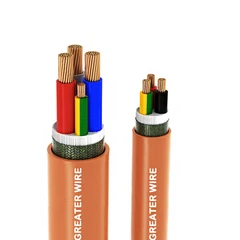

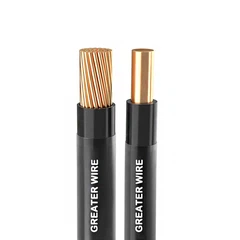
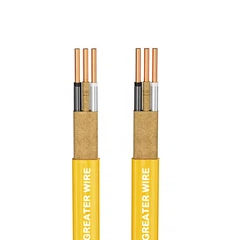
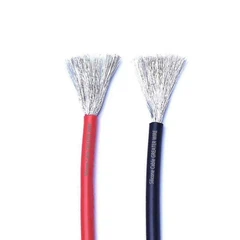
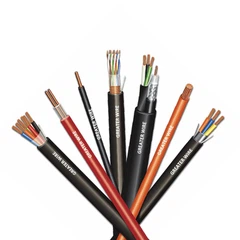
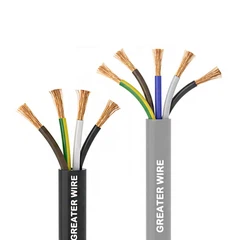
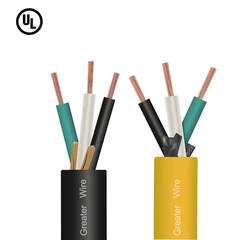
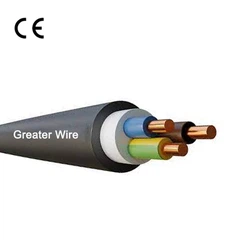
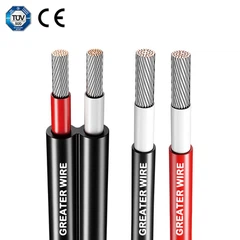

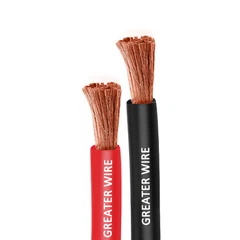
Silicone cables are known for their versatility and durability across extreme temperature ranges, offering unparalleled performance in environments where traditional cables would fail. In addition to their remarkable high-temperature resistance, silicone cables exhibit excellent low-temperature resistance, making them suitable for applications in cold and harsh climates.

Properties of Silicone Cables in Low-Temperature Conditions
Silicone rubber, used as the insulation material in silicone cables, possesses unique characteristics that enable it to perform exceptionally well in sub-zero temperatures. Key properties include:
Flexibility at Low Temperatures: Unlike many insulating materials that become brittle in cold conditions, silicone retains its flexibility and elasticity, even at temperatures as low as -60°C or lower for specialized formulations.
Resilience to Thermal Cycling: Silicone cables can withstand repeated cycles of heating and cooling without degradation. This makes them ideal for environments where temperatures fluctuate significantly.
Electrical Insulation Stability: The dielectric properties of silicone remain stable even in extremely low temperatures, ensuring reliable performance in electrical systems.
Resistance to Cracking: Silicone's rubbery structure resists cracking and deformation caused by low-temperature exposure, ensuring longevity in demanding conditions.
Moisture Resistance: Silicone is inherently water-resistant, which prevents issues like ice formation or condensation-related failures in cold environments.

Temperature Range of Silicone Cables
The low-temperature performance of silicone cables varies depending on their specific formulation and design. Standard silicone cables typically operate effectively down to -40°C, while specialized types can handle temperatures as low as -90°C or even lower. This broad operating range ensures that silicone cables remain functional in:
Arctic conditions
High-altitude environments
Cold storage facilities
Outdoor installations in winter climates

Factors Influencing Low-Temperature Resistance
1. Silicone Rubber Formulation
The base material and additives used in the silicone rubber compound play a crucial role in determining the cable's low-temperature resistance. Manufacturers often modify the composition to enhance flexibility and durability in cold conditions.
2. Cable Design
The thickness of the insulation layer and the presence of additional protective coatings can influence a cable's performance at low temperatures. Some designs incorporate reinforced layers to prevent mechanical damage in icy or frosty environments.
3. Conductor Material
The conductor material inside the cable must also perform well in low temperatures. Commonly used materials like tinned copper and silver-plated copper provide excellent conductivity and resistance to thermal expansion and contraction.
4. Environmental Stressors
Low-temperature performance can be affected by additional factors such as:
Physical impact or bending stresses
Exposure to ice or snow
Abrasive conditions caused by freezing wind or debris
Silicone cables are specifically designed to resist these challenges, maintaining functionality in severe environments.

Applications of Silicone Cables in Low-Temperature Environments
1. Aerospace and Aviation
Silicone cables are used extensively in aerospace and aviation applications where temperatures can drop significantly, particularly in:
Aircraft control systems
Space exploration equipment
Satellites and probes
2. Automotive Industry
In the automotive sector, silicone cables are used in components that face sub-zero conditions, such as:
Electric vehicle charging systems
Engine sensors and controls in cold climates
Heating systems
3. Renewable Energy Systems
Wind turbines, solar panels, and other renewable energy systems often operate in harsh outdoor conditions. Silicone cables ensure reliable performance in sub-zero temperatures commonly encountered in these applications.
4. Industrial Applications
Cold storage facilities, refrigeration units, and industrial freezers rely on silicone cables to maintain electrical and mechanical integrity in low-temperature environments.
5. Outdoor Installations
Silicone cables are widely used in outdoor lighting, power distribution, and communication systems exposed to freezing conditions, ensuring uninterrupted functionality during winter months.
6. Marine and Submarine Applications
Silicone cables are ideal for marine environments where cold water and icy conditions can pose significant challenges. Their resistance to moisture and low temperatures ensures durability and reliability.

Advantages of Silicone Cables in Cold Environments
Exceptional Durability: Silicone cables resist cracking, hardening, and other damage caused by low temperatures, ensuring long service life.
Maintained Flexibility: The cables remain flexible and easy to handle, even in freezing conditions, facilitating installation and reducing mechanical stress.
Safety: Silicone's resistance to moisture and ice formation reduces the risk of electrical failures, enhancing safety in critical applications.
Thermal Stability: Silicone's ability to maintain its properties across a wide temperature range minimizes the need for multiple cable types in systems experiencing both high and low temperatures.
Chemical Resistance: Silicone's resistance to oils, solvents, and other chemicals ensures reliable performance in diverse environments.

Limitations of Silicone Cables in Low-Temperature Conditions
While silicone cables offer numerous advantages, there are a few considerations to keep in mind:
Mechanical Protection: Silicone insulation is softer than some alternatives and may require additional protective layers in environments with high mechanical stresses.
Cost: Silicone cables are often more expensive than traditional cables, though their long-term benefits often justify the investment.
Specialized Formulations: Extreme low-temperature applications may require custom formulations, increasing lead times and costs.