

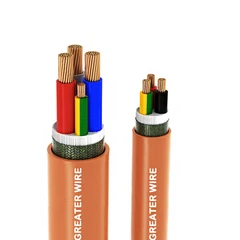
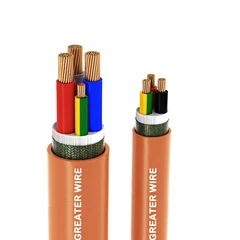


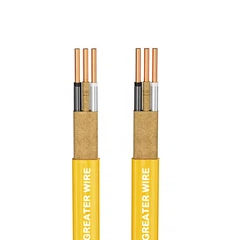


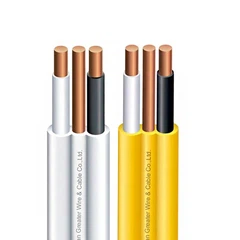
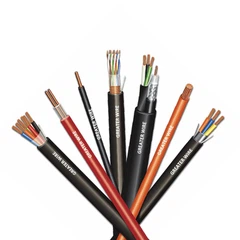
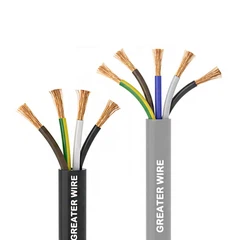
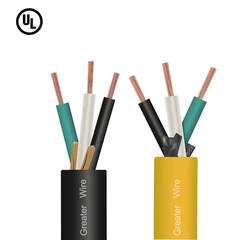

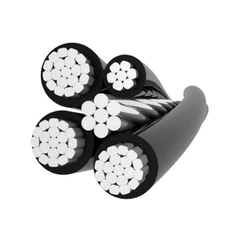
TPS cables, also known as Thermoplastic Sheathed Cables, are widely used in a variety of electrical installations due to their reliability, flexibility, and durability. They are commonly used in residential, commercial, and industrial applications to carry electrical current safely. One of the key factors that determine the suitability of a cable for a specific environment is its operating temperature range. Understanding the operating temperature range of TPS cables is crucial for ensuring they perform efficiently and safely under different environmental conditions.
In this article, we will explore the operating temperature range of TPS electrical cables, factors that influence this range, and why it's important to consider temperature limits when selecting TPS cables for various applications. We will also look at different types of TPS cables, including flat TPS cables, and how temperature can affect their performance and lifespan.


1. What Are TPS Cables?
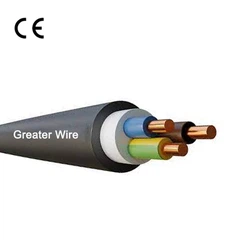
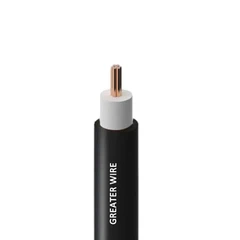
Before delving into the operating temperature range of TPS cables, it's important to understand what TPS cables are and their typical construction. TPS cables are a type of electrical cable used to carry electrical power or signals in various applications. They are constructed with one or more conductors, typically made from copper or aluminum, which are surrounded by an insulating layer. The cable's outer sheath is usually made from PVC (Polyvinyl Chloride) or other thermoplastic materials, which provide mechanical protection and help safeguard the conductors from environmental elements such as moisture, chemicals, and physical damage.
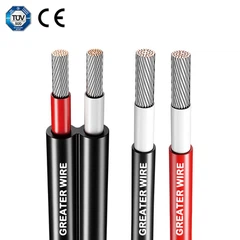
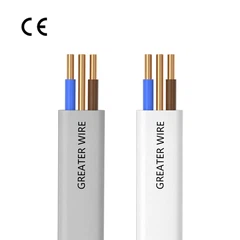
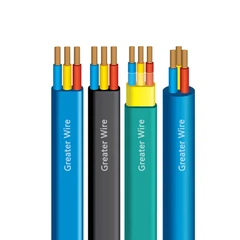
TPS cables are available in a range of sizes and types to suit different applications, from simple residential wiring to more complex industrial setups. A common variation of TPS cables is the flat TPS cable, which is designed with a flat profile to make installation easier in constrained spaces.

2. What is the Operating Temperature Range of TPS Cables?
The operating temperature range of TPS cables refers to the range of temperatures within which the cable can operate without compromising its performance or safety. This range is determined by the materials used in the cable's construction, including the conductors, insulation, and outer sheath. The temperature range ensures that the cable can safely carry electrical current without degrading or risking overheating, which can lead to electrical hazards, such as fires or short circuits.
2.1 Typical Temperature Range for Standard TPS Cables
The operating temperature range of standard TPS cables is typically between -10°C to +70°C (14°F to 158°F). This temperature range ensures that the cable can perform effectively in most indoor environments, such as homes, offices, and commercial buildings. The lower end of the range, -10°C, ensures that the cable can be used in cooler conditions without becoming brittle or losing its flexibility. The upper limit of +70°C ensures that the cable can handle typical temperatures in indoor environments, such as when used near light fixtures, power outlets, or equipment that generates heat.
However, it's important to note that the exact temperature range can vary depending on the specific type of TPS cable, as well as the materials used in its construction. Some TPS cables may be designed for more extreme environments and thus have a wider operating temperature range.
2.2 High-Temperature TPS Cables
For applications that involve higher temperatures, TPS cables with higher temperature ratings are available. High-temperature TPS cables are specially designed to withstand more demanding conditions, such as industrial environments or outdoor settings where cables may be exposed to direct sunlight or high ambient temperatures. The operating temperature range of high-temperature TPS cables typically extends up to +90°C or +105°C, and some specialized cables can handle even higher temperatures.
High-temperature TPS cables often use advanced insulation materials, such as XLPE (Cross-linked Polyethylene) or LSZH (Low Smoke Zero Halogen), to ensure they can withstand heat without degrading. These cables are ideal for use in industrial plants, factories, or areas with high electrical load or where the cable may be subjected to elevated temperatures for extended periods.

3. Factors Affecting the Operating Temperature Range of TPS Cables
Several factors affect the operating temperature range of TPS cables, including the materials used, the environment in which the cables are used, and the specific application. Let's take a closer look at these factors:
3.1 Material of the Conductor
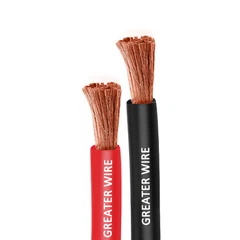
The conductor is the core element of any electrical cable, and the material used for the conductor significantly impacts the overall temperature rating of the cable. The most common conductor materials used in TPS cables are copper and aluminum.
Copper Conductors: Copper is known for its excellent electrical conductivity and resistance to oxidation, which makes it a highly effective material for electrical cables. Copper can withstand higher temperatures without degrading compared to other materials. In standard TPS cables, copper conductors are typically rated to perform effectively up to +70°C, and for high-temperature cables, they can handle up to +90°C or higher.
Aluminum Conductors: Aluminum conductors are lighter and less expensive than copper, but they have lower conductivity and tend to be more sensitive to heat. While aluminum can be used in TPS cables, they are generally rated for lower temperature ranges compared to copper, and care must be taken to ensure they do not overheat, especially in high-power applications.
3.2 Insulation Material
The insulation material is another critical factor that determines the temperature limits of a TPS cable. The most common insulation materials used in TPS cables include PVC and XLPE.
PVC (Polyvinyl Chloride): PVC is the most widely used insulation material in TPS cables due to its affordability, flexibility, and effectiveness in providing electrical insulation. However, PVC insulation has a limited temperature tolerance, typically around +70°C. It is suitable for most residential and commercial applications but may not be appropriate for high-temperature environments.
XLPE (Cross-linked Polyethylene): XLPE is used in higher-rated TPS cables designed for more demanding applications. It offers superior temperature resistance, typically rated for up to +90°C or even +105°C, making it suitable for industrial and heavy-duty applications where cables are exposed to high temperatures.
LSZH (Low Smoke Zero Halogen): LSZH materials are used for sheathing and insulation in environments where fire safety is a concern. These materials typically have a similar temperature range to PVC, but they offer enhanced performance when exposed to fire, releasing less smoke and fewer toxic gases.
3.3 Sheath Material
The outer sheath of TPS cables provides mechanical protection and helps shield the cable from environmental damage. The material used for the sheath can also influence the temperature range of the cable. Most TPS cables have a PVC sheath, which is effective for most applications, but high-performance environments may require additional protection.
PVC Sheath: A PVC sheath typically offers protection up to +70°C. This makes it suitable for standard residential and commercial wiring.
LSZH Sheath: Cables with an LSZH sheath are designed to meet fire safety standards but generally have a similar temperature range as PVC sheathed cables.
3.4 External Environmental Factors
The operating temperature range of TPS cables can also be influenced by external environmental factors such as:
Ambient Temperature: The temperature of the surrounding environment can affect the performance of a cable. For instance, in high-temperature settings like factories, boilers, or areas exposed to direct sunlight, cables may experience higher external temperatures, requiring cables with higher temperature tolerance.
Heat Generated by Electrical Current: The amount of current passing through the cable generates heat, which can increase the temperature of the cable. This is particularly important in high-load applications where cables are subjected to high electrical currents for extended periods.
3.5 Application and Location
Finally, the application and location of the cable play a crucial role in determining the temperature range. For example:
Residential Wiring: In typical home installations, TPS cables with a standard operating range of -10°C to +70°C are generally sufficient.
Industrial Applications: TPS cables used in factories or industrial plants may require cables with a higher temperature rating, such as +90°C or +105°C, to withstand the high-temperature environments found in these settings.
Outdoor Installations: TPS cables used outdoors, especially in extreme climates, may need additional protection to maintain their performance under extreme cold or heat.

4. Importance of Considering the Temperature Range
Understanding and selecting cables with the correct operating temperature range is essential for ensuring safety, efficiency, and longevity. Overheating is one of the most common causes of electrical cable failure. Choosing cables with an appropriate temperature rating helps prevent issues like insulation breakdown, conductor damage, and even fire hazards.
Using a TPS cable that is rated for higher temperatures than needed can also lead to unnecessary costs, whereas using a cable with too low of a temperature rating can result in safety hazards and a reduced lifespan of the cable.