

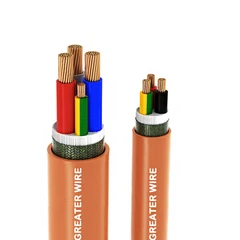

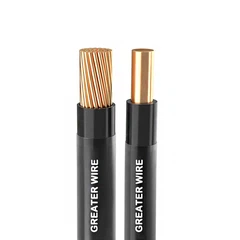
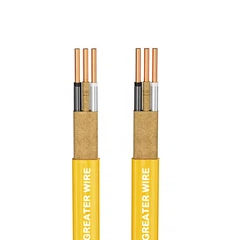
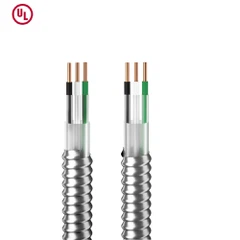
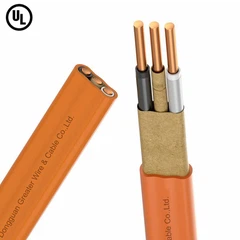
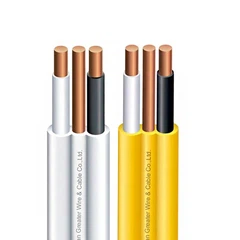
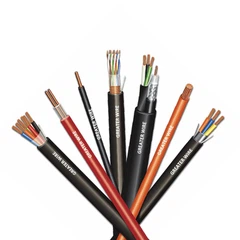
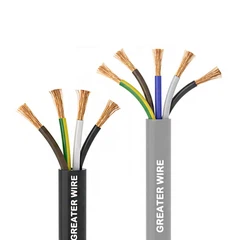
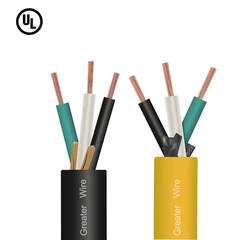
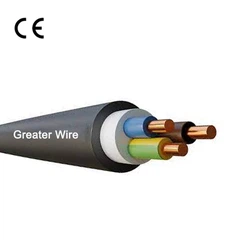
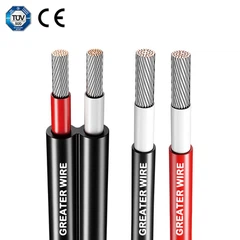

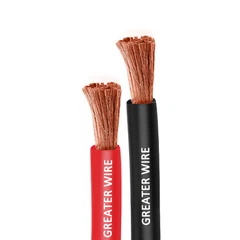
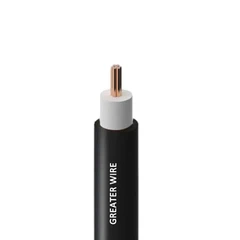
TFFN cable (Thermoplastic Flexible Nylon Cable) has been widely used in many applications for its excellent mechanical and electrical properties. In various electrical systems, especially in demanding dynamic environments, the cable's wear resistance and mechanical damage resistance have become key factors affecting its long-term stability. The outer sheath and insulation layer of TFFN cable are made of wear-resistant thermoplastic nylon material, so it has good wear resistance and mechanical damage resistance. This article will discuss in detail the wear resistance, mechanical damage resistance of TFFN cable and how to choose the right cable according to application requirements.


1. Wear resistance of TFFN cable
1.1 Wear resistance of nylon outer sheath
The outer sheath of TFFN cable is usually made of thermoplastic nylon material. Nylon material is widely used in many cables due to its excellent mechanical strength and wear resistance. Compared with other types of outer sheath materials, such as PVC and rubber, nylon material has higher wear resistance and impact resistance.
Friction resistance: In some industrial environments, cables may need to pass through pipes, overhead cable trays or come into contact with other objects. The nylon outer sheath of the TFFN cable can resist this physical wear and tear, reducing the impact of external physical damage on the cable. Especially in wiring environments that require frequent bending and friction, the wear resistance of the TFFN cable can effectively extend the service life of the cable.
Scratch resistance: The surface of the nylon outer sheath of the TFFN cable is relatively hard, which can effectively resist minor scratches and cuts. In environments where equipment is moving or cables are exposed, this scratch resistance is particularly important, and can effectively avoid cable failures caused by external damage.
1.2 Wear resistance in the working environment
The wear resistance of the TFFN cable depends not only on the material itself, but also on the environment in which it is used. Generally speaking, TFFN cables are suitable for dry and mild mechanical shock environments, and are not suitable for environments exposed to high-intensity physical wear.
Mild to moderate wear environment: TFFN cables perform well in low to moderate mechanical shock environments such as general industrial environments, office buildings, and shopping malls. The cable may pass through some smaller objects or equipment, but due to its excellent wear resistance, it can ensure long-term stable operation.
High-intensity wear environment: For those environments with high physical wear or large impact (such as mining, petrochemical, etc.), the wear resistance of TFFN cable may not meet the requirements. In these environments, cables designed for high-intensity wear and impact should be selected, such as cables reinforced with steel wire or cables with stronger protective layers.

2. Mechanical damage resistance of TFFN cable
2.1 Mechanical impact resistance of outer sheath
In addition to wear resistance, the outer sheath of TFFN cable also needs to have a certain mechanical impact resistance, especially in environments with large vibration or impact. Nylon outer sheath not only provides good wear protection, but also can resist mechanical shock and pressure to a certain extent.
Impact resistance: During the cable laying process, it may encounter external force impact or physical extrusion. The outer sheath of TFFN cable can effectively absorb external impact force, reduce damage to the internal conductor and insulation layer, and thus ensure the stability of electrical performance.
Adapt to vibration environment: In some occasions that require frequent vibration (such as mechanical equipment, automated production lines, etc.), the vibration resistance of the cable is also very important. TFFN cables can adapt to long-term vibration in such environments, and will not cause damage to the outer sheath or breakage of the internal conductor due to vibration, ensuring the reliability and durability of the cable.
2.2 Mechanical strength of cable structure
The mechanical strength of TFFN cables is not only reflected in the wear and impact resistance of the outer sheath, but also related to the structural design inside the cable. Copper conductors are usually used inside TFFN cables, and these conductors can be structurally designed in different ways to enhance the cable's tensile and compressive resistance.
Elasticity and toughness of copper conductors: The conductors of TFFN cables are usually made of oxygen-free copper, which has good conductivity and mechanical strength. When stretched by external force, the copper conductor can be moderately extended and not easily broken, thus enhancing the cable's tensile resistance.
Flexible design: The flexible design of TFFN cables enables them to withstand frequent bending and movement in dynamic applications. Flexible conductors and appropriate insulation layer design ensure that the cable is not easily broken or damaged even under frequent bending.
2.3 Cable extrusion resistance
Although TFFN cable has good flexibility, the extrusion resistance of its outer sheath and conductor is still relatively limited. When squeezed by external force, the cable may be damaged, resulting in a short circuit in the conductor or a decrease in electrical performance. Therefore, when selecting TFFN cables, special attention should be paid to their applicable environment.
Applicable environment: In environments where cables are subject to strong extrusion (such as cables passing through pipes or heavy equipment), it may be necessary to select cables with additional protective layers or reinforced designs. For example, cable models with steel wire sheaths or additional mechanical protection layers can be selected to improve extrusion resistance.

3. Factors affecting the wear resistance and mechanical damage resistance of TFFN cables
3.1 Influence of external environment
The wear resistance and mechanical damage resistance of TFFN cables are largely affected by external environmental factors. The following are some common influencing factors:
Ambient temperature: Extreme temperature environments (such as too high or too low temperatures) may reduce the mechanical properties of nylon materials. In high temperature environments, the hardness of nylon materials may decrease, causing them to wear or crack easily after long-term use. In low temperature environments, the toughness of nylon materials may decrease, increasing the risk of damage when external forces impact.
Humidity and chemical corrosion: Although the nylon outer sheath of TFFN cable can provide a certain degree of water resistance, the wear resistance and impact resistance of the cable will be reduced if it is exposed to a humid or corrosive environment for a long time. In this case, other cables with stronger resistance to moisture and chemical corrosion should be selected.
3.2 Use and maintenance of cables
The wear resistance and mechanical damage resistance of cables are not only related to their design and materials, but also closely related to their actual use and maintenance. The following points are crucial to extend the service life of cables and maintain the mechanical strength of cables:
Avoid excessive bending: Although TFFN cables have good flexibility, frequent excessive bending can still cause damage to cables. It is necessary to avoid arranging cables on paths that require frequent bending, and choose a larger bending radius to reduce wear on cables.
Prevent external extrusion: Cables should be avoided from being subjected to heavy pressure from external objects as much as possible, especially in situations where cables are frequently moved. Using cable protection tubes or cable trays can effectively reduce the impact of external pressure on cables.
Regular inspection and maintenance: Regularly check the condition of the cable's outer sheath and conductors to promptly detect any signs of wear or damage and perform necessary maintenance or replacement. This can extend the cable's service life and ensure the stable operation of the electrical system.