


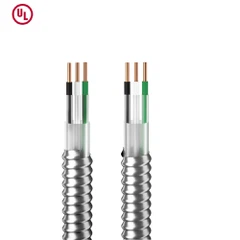
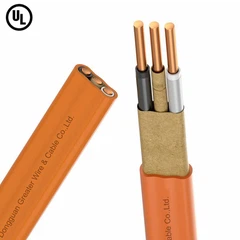
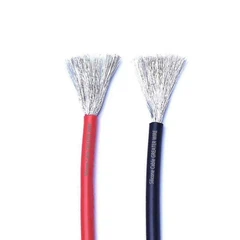
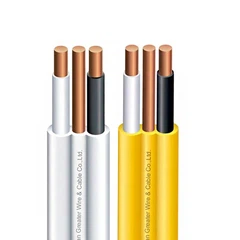
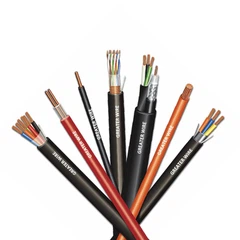
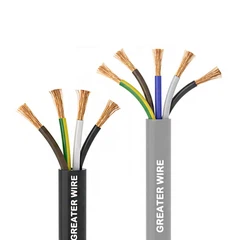
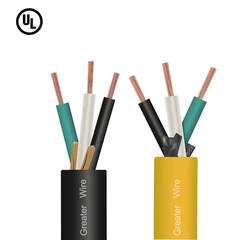
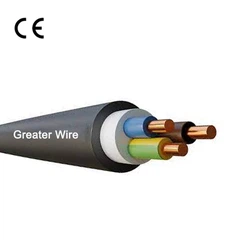
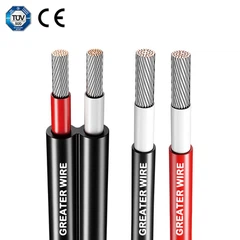

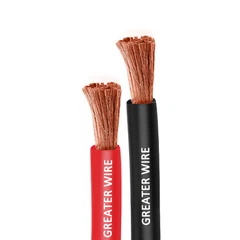
In the ever-evolving world of electrical engineering, the choice of cable insulation material plays a crucial role in determining the performance, safety, and longevity of your equipment. Among the various types of insulated cables available, PTFE (Polytetrafluoroethylene) cables and PVC (Polyvinyl Chloride) cables are two of the most widely used. Both have their strengths and limitations, and understanding their characteristics, similarities, differences, and ideal applications is essential for engineers, manufacturers, and even hobbyists who demand reliability and safety from their electrical systems.
Characteristics of PTFE Cable
PTFE cable is renowned for its exceptional chemical resistance, high-temperature tolerance, and mechanical durability. The core conductor, usually made of high-purity copper or tinned copper, is insulated with PTFE, a material known for its stability and versatility. PTFE can withstand temperatures ranging from -60°C to +200°C, making it ideal for environments where other insulation materials might degrade.
Beyond temperature resistance, PTFE exhibits excellent dielectric properties, low friction, and resistance to moisture, oils, and corrosive chemicals. It is also flame-retardant and emits minimal smoke when exposed to fire, adding another layer of safety. Its flexibility is moderate, which allows it to be used in both stationary and dynamic applications, although extreme bending should still be approached cautiously to prevent mechanical stress.
One of the unique advantages of PTFE cables is their longevity. Even in challenging industrial, aerospace, or high-precision laboratory environments, PTFE insulation maintains its integrity over decades, ensuring consistent performance. This makes PTFE the go-to choice for high-temperature ovens, chemical processing equipment, aerospace wiring, and medical devices.

Characteristics of PVC Cable
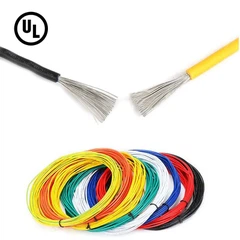
PVC cable, on the other hand, is cost-effective, versatile, and widely available. PVC insulation offers decent temperature resistance, typically from -15°C to +70/90°C, and provides robust protection against moisture, abrasion, and general wear and tear. It is flexible, lightweight, and easy to install, which is why it dominates applications in household wiring, commercial power distribution, and standard industrial equipment.
PVC cables are also known for their good flame-retardant performance, although they emit more smoke and toxic gases compared to PTFE in the event of a fire. Their durability under normal operating conditions is adequate for most daily applications, making PVC the default choice when high temperature and extreme chemical resistance are not required.
Similarities Between PTFE and PVC Cables
Despite their differences, PTFE and PVC cables share some core similarities:
- Conductors: Both typically use high-purity copper or tinned copper as the conductor material to ensure stable and efficient electrical transmission.
- Insulation Purpose: Both provide electrical insulation to protect against short circuits, leakage, and environmental factors.
- Compliance Standards: Both types can be manufactured to meet UL, CSA, VDE, or other international certification standards.
These similarities mean that both PTFE and PVC cables can serve basic electrical and signal transmission needs, with the main differentiation coming from their performance under stress, temperature, or chemical exposure.
Differences Between PTFE and PVC Cables
While their fundamental function is the same, PTFE and PVC cables diverge significantly in performance, application, and longevity. A comparison table illustrates these differences clearly:
| Feature | PTFE Cable | PVC Cable |
|---|---|---|
| Temperature Range | -60°C to +200°C | -15°C to +70/90°C |
| Chemical Resistance | Excellent; resistant to oils, acids, bases, and solvents | Moderate; can degrade with strong chemicals |
| Flexibility | Moderate; better in dynamic applications than hard plastics | High; easy to bend and route |
| Flame and Smoke Behavior | Flame-retardant, low smoke, non-toxic emissions | Flame-retardant, but emits smoke and toxic gases |
| Longevity | Very long; stable over decades | Adequate for normal applications; may degrade faster under stress |
| Cost | Higher | Lower |
| Ideal Use | High-temperature, chemical, aerospace, medical, or precision equipment | General household, commercial, and standard industrial applications |
From this table, it is clear that PTFE excels in extreme conditions, while PVC is more suitable for general-purpose and cost-sensitive projects.
Applications of PTFE Cable
PTFE cables are preferred in environments where high performance, safety, and durability are paramount. Examples include:
Aerospace Wiring: Wiring inside aircraft that must endure high temperatures and vibration.
Industrial Equipment: Chemical processing machines, ovens, and high-temperature furnaces.
Medical Devices: Laboratory instruments or medical diagnostic equipment requiring stable signal transmission.
High-Precision Electronics: Aerospace control panels, sensors, or high-frequency communication devices.
Even in cases where space is tight or bending is frequent, PTFE cables maintain performance while resisting chemical and thermal degradation.
Applications of PVC Cable
PVC cables dominate everyday wiring and standard industrial applications due to their flexibility, affordability, and ease of installation. Common scenarios include:
Residential and Commercial Wiring: Power supply lines, lighting circuits, and wall outlets.
Industrial Automation: Low-temperature control panels, conveyor systems, and machinery where chemical exposure is limited.
Household Appliances: Refrigerators, washing machines, and microwaves that operate within normal temperature ranges.
PVC provides reliable insulation and safety for most day-to-day applications without the higher cost associated with PTFE.
How to Choose the Right Cable
Choosing between PTFE and PVC cables requires understanding the environment, electrical requirements, and safety standards. Consider the following:
Temperature and Chemical Exposure: PTFE is the clear choice for high temperatures, chemical exposure, or demanding industrial conditions. PVC suffices for normal ambient conditions.
Flexibility and Installation Needs: For easy routing in compact spaces, both materials offer flexibility, but PVC is easier to bend for non-critical applications.
Safety and Compliance: For UL, CSA, or VDE-certified applications, ensure the cable meets relevant standards. PTFE often carries higher certification levels suitable for aerospace, medical, and precision electronics.
Budget: PTFE costs more upfront but offers longevity and stability in harsh environments. PVC is cost-effective and suitable for general-purpose use.
In short, PTFE is an investment in durability and high performance, while PVC is a practical choice for standard applications.
Why Choose Dongguan Greater Wire & Cable Co., Ltd.
At Dongguan Greater Wire & Cable Co., Ltd., we provide a comprehensive range of both PTFE and PVC cables for diverse industrial, commercial, and consumer applications. Our 50,000-square-meter modern factory is equipped with automated lines for conductor drawing, stranding, extrusion, and insulation, ensuring consistent quality across every cable produced.
We offer UL-certified PTFE cables such as UL3135, UL3530, and others, as well as PVC-insulated wires compliant with UL1007, UL1015, and IEC/BS/AS standards. These cables serve household appliances, industrial automation, automotive systems, aerospace projects, medical devices, and high-precision electronic equipment.
Our strengths go beyond manufacturing: we provide customization in color, length, packaging, and insulation type, tailored to client needs. Our dedicated technical and export teams ensure smooth communication, on-time delivery, and comprehensive support from inquiry to after-sales.
Choosing Greater Wire means selecting a reliable, certified, and customer-focused partner for all your cabling needs. Whether your project demands high-temperature resistance, chemical stability, or cost-effective solutions, we can provide the right cable for the right application.
Dongguan Greater Wire & Cable Co., Ltd.
Tel/WhatsApp/Wechat: +86 135 1078 4550 / +86 136 6257 9592
Email: manager01@greaterwire.com