























In building electrical wiring systems, armored cables have long played an important role. As electrical codes and safety requirements continue to evolve, various types of armored cables have been developed. BX Cable, as a traditional solution, is still found in certain projects today.
In practical engineering and international procurement, BX Cable is often confused with AC Cable and MC Cable, which can lead to incorrect cable selection or non-compliance with local codes. For electrical engineers, contractors, and global buyers, understanding what BX Cable is, where it can be used, and where it should be avoided remains highly relevant.
What Is BX Cable
Definition of BX Cable
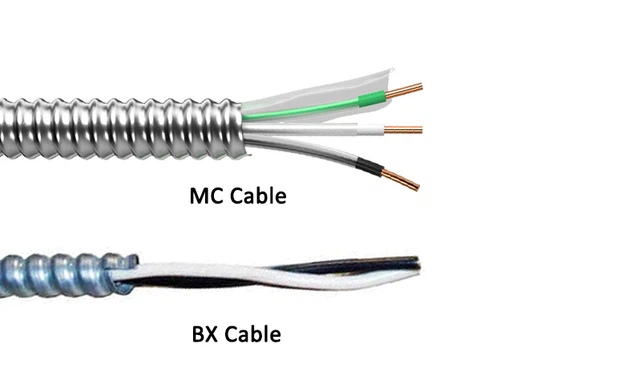
BX Cable is an early form of armored electrical cable. The term originated as a trade name and later became a commonly used industry designation. In North American electrical systems, BX Cable is typically classified as AC Cable (Armored Cable).
Key characteristics of BX Cable include:
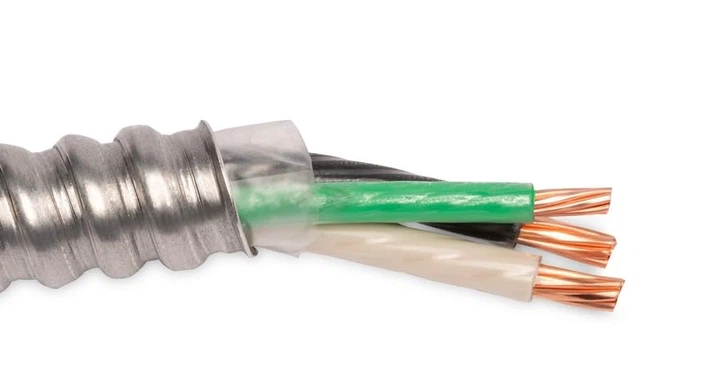
A metallic armor sheath
Insulated internal conductors
Grounding achieved through the armor and an internal bonding strip
BX Cable was originally designed as an alternative to conduit-based wiring systems, offering basic mechanical protection while simplifying installation.
Development Background of BX Cable
In early building electrical installations, construction methods and code requirements were relatively simple. BX Cable significantly reduced the need for metal conduits and improved installation efficiency, making it widely used in residential and light commercial buildings.
However, as building sizes increased, electrical loads grew, and safety standards became stricter, the structural limitations of BX Cable became more apparent. This led to the gradual adoption of newer armored cable solutions, such as MC Cable, in modern construction.
Structure and Components of BX Cable
Conductors
BX Cable typically uses copper conductors, available in:
Solid conductors, suitable for fixed wiring and lower cost
Stranded conductors, offering improved flexibility and easier installation
The conductor sizes commonly used in BX Cable are intended for lighting circuits and general branch circuits with moderate current requirements.
Insulation
Each conductor is covered with an insulation layer, usually made of PVC or similar thermoplastic materials. The insulation serves to:
Prevent short circuits between conductors
Protect personnel and equipment from electrical hazards
Compared with modern cable designs, the insulation system of BX Cable offers limited overall protection.
Metal Armor Sheath
The outer layer of BX Cable consists of helically wrapped metal strips, typically steel or galvanized steel. The metal armor provides:
Mechanical protection
Resistance to impact and compression
Partial participation in grounding
Bonding Strip and Grounding Method
BX Cable usually includes a bonding strip, which maintains electrical continuity between the metal armor and grounding points.
It is important to note that BX Cable generally does not include a separate grounding conductor. Instead, grounding relies primarily on the armor itself-one of the main safety limitations of BX Cable.
How BX Cable Works
Under normal operating conditions, electrical current flows through the phase and neutral conductors inside the BX Cable to the connected load.
In the event of a fault, the fault current is intended to return through the metal armor and bonding strip to the grounding system, triggering protective devices. However, this grounding path is highly dependent on:
The integrity of the armor
The quality of fittings and connectors
Proper installation practices
Any damage or poor connection can significantly reduce grounding reliability.
Key Features of BX Cable
Typical features of BX Cable include:
Moderate mechanical strength
Better physical protection than non-armored cables
Basic fire resistance under certain conditions
Reduced dependence on conduit systems
These features explain why BX Cable still appears in specific applications.
Advantages of Using BX Cable
When used appropriately, BX Cable offers several advantages:
Simplified Installation
Eliminates the need for separate conduits, improving installation efficiency.
Cost Control
Can be more economical for small-scale or renovation projects.
Compatibility with Existing Systems
Suitable for partial replacement or expansion of existing BX Cable installations.
Limitations and Disadvantages of BX Cable
Despite its benefits, BX Cable has notable limitations:
Grounding reliability depends on the armor
Highly sensitive to installation quality
Unsuitable for high-load or critical systems
Restricted use under modern electrical codes
As a result, BX Cable is no longer the preferred choice for new construction.
Typical Applications of BX Cable
Residential Buildings
BX Cable is commonly found in older residential buildings, where it is used for lighting and standard branch circuits. In renovation projects, existing BX Cable systems are sometimes retained.
Light Commercial Buildings
Small offices, retail spaces, and other low-load environments where electrical risks are relatively limited.
Retrofit and Renovation Projects
BX Cable may still be used for partial replacement when major rewiring is not planned.
How to Properly Use BX Cable
Installation Guidelines
Use proper tools to cut the armor
Avoid damaging the internal insulation
Ensure clean, burr-free cable ends
Grounding and Connection Considerations
Use code-compliant connectors
Ensure good contact between the armor and bonding strip
Verify grounding continuity during installation
Safety Precautions During Installation
Avoid excessive bending of the armor
Prevent sharp metal edges from damaging conductors
BX Cable, as a traditional armored cable, still has limited practical value in specific scenarios. However, its structural design and grounding method no longer meet the requirements of most modern building electrical systems.
In engineering projects and international procurement, it is essential to carefully evaluate project type, regulatory requirements, and long-term safety. Whenever possible, more advanced armored cable solutions should be prioritized to ensure reliable and compliant electrical installations.
At Dongguan Greater Wire & Cable Co., Ltd., we offer high‑performance BX MC Electrical Cable that delivers reliable protection, flexibility, and safety for commercial, industrial, and residential wiring projects. Our BX MC cable features copper multi‑core conductors with PVC insulation and a lightweight aluminum armored sheath, making installation easier - up to 45% lighter than traditional steel armor and helping reduce labor costs.
Whether you're handling commercial builds, industrial facilities, or residential projects, we provide quick online quotes, free samples, and professional support to ensure you get the right cable solution for your needs.
📞 Contact Us Today
Dongguan Greater Wire & Cable Co., Ltd.
Tel / WhatsApp / WeChat:
+86 135 1078 4550
+86 136 6257 9592
📧 Email: manager01@greaterwire.com