

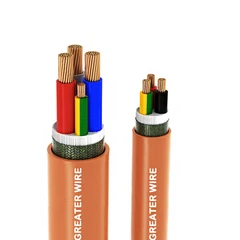
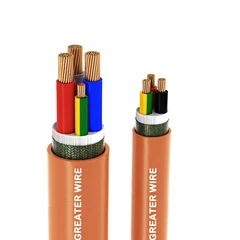

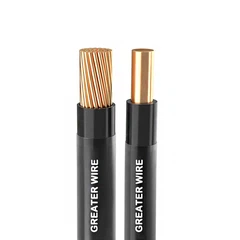
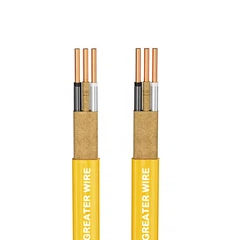
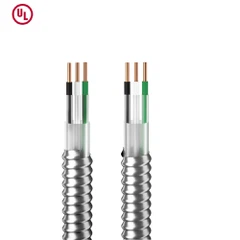
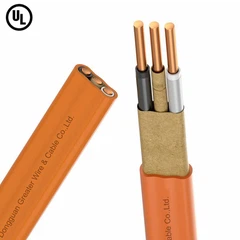
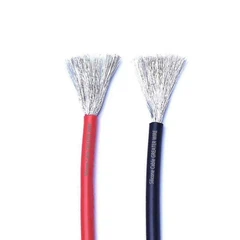
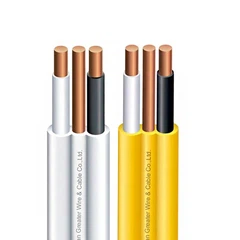
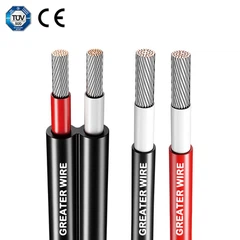

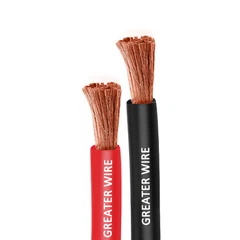
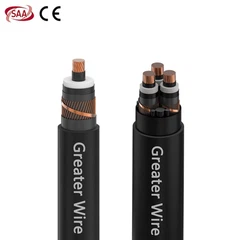
In solar power systems, the solar cable and solar wire are essential components that help transmit electricity generated by solar panels to inverters, batteries, and other system components. The correct selection of wire size is crucial for the safety and efficiency of the system. An often-debated question is whether a 2.5mm solar cable can handle a current of 32 amps, given that cable size directly affects the amount of electrical current the wire can safely carry.
This article will discuss the importance of selecting the right solar cable size for your solar power system, the characteristics of 2.5mm solar cables, and whether they can safely handle a 32-amp current. Additionally, we will explore various factors that affect the performance of solar wires in real-world applications, and when it is appropriate to use a 2.5mm solar cable.
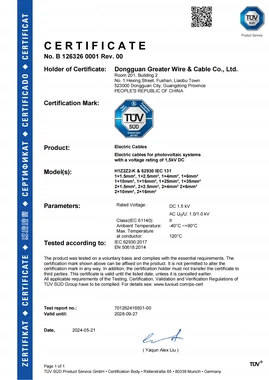
What is a Solar Cable?
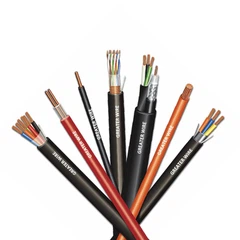
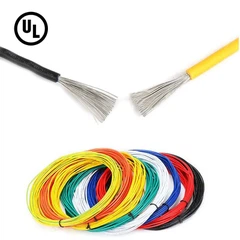
Solar cables are specially designed cables used in photovoltaic (solar) systems to connect various components, such as solar panels, inverters, charge controllers, and batteries. Unlike standard electrical cables, solar cables are designed to be durable, UV-resistant, and able to withstand extreme weather conditions, including high temperatures, moisture, and exposure to sunlight.
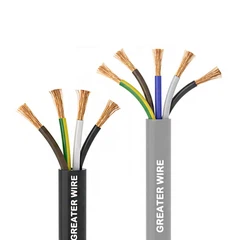
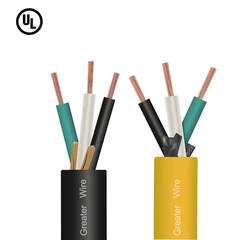
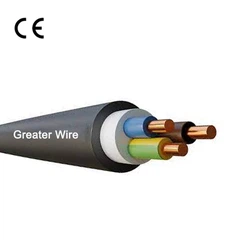
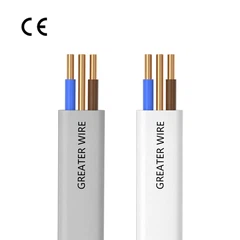
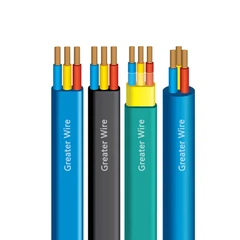
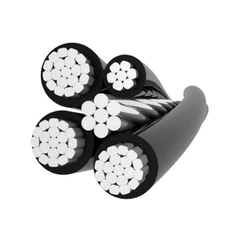
The main components of a solar cable include the conductor (usually copper or aluminum) and the insulation. Solar wires inside the cable are typically made of high-quality copper for optimal electrical conductivity. The cable's insulation is made of materials like XLPE (cross-linked polyethylene), which provide protection against the elements and electrical hazards.
Solar cables come in various sizes, typically measured by the cross-sectional area of the conductor in square millimeters (mm²). Common sizes include 2.5mm², 4mm², 6mm², and 10mm², among others. The size of the cable you choose depends on factors like the current that needs to be carried, the voltage of the system, the distance between components, and the environmental conditions.
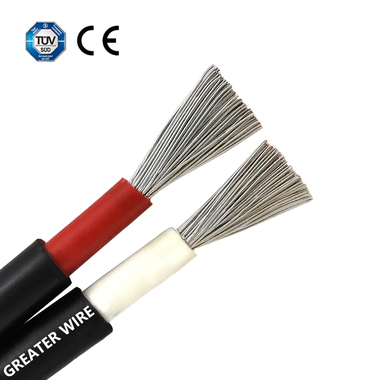
Characteristics of 2.5mm Solar Cable
A 2.5mm solar cable has a conductor with a cross-sectional area of 2.5 square millimeters. This size is typically used in lower-power solar systems or for shorter cable runs where the current demand is relatively low.
Current Capacity: A 2.5mm solar cable is generally rated to handle between 15 to 20 amps of current under normal conditions. This rating is based on standard parameters, such as the cable's insulation material, ambient temperature, and the voltage of the solar system. In many cases, 2.5mm solar wire is sufficient for smaller residential solar installations, where the current requirements do not exceed these values.
Voltage Rating: Most 2.5mm solar cables are designed to handle the standard voltage of solar systems, which is typically 600V or 1000V. This makes them suitable for many residential and small commercial solar power systems.
Insulation Material: Solar cables are typically insulated with high-quality thermoplastic materials that are resistant to UV radiation, heat, and moisture. This insulation ensures that the cable can operate safely in outdoor environments for long periods without degradation.

Factors Affecting the Current-Carrying Capacity of Solar Cables
When considering whether a 2.5mm solar cable can handle a current of 32 amps, there are several key factors that must be considered. These include the voltage of the system, the length of the cable, ambient temperature, and safety regulations.
1. Current Rating and Cable Size
The current rating of a solar cable is determined by the size of the conductor and its insulation. A 2.5mm solar cable is generally rated for a maximum current of 15-20 amps under standard conditions. This makes it unsuitable for carrying 32 amps of current, as it exceeds the safe capacity for this size of cable. Using a cable that is too small for the required current can result in overheating, insulation breakdown, and even fire hazards.
For systems that require 32 amps, a 6mm solar cable or larger is recommended. A 6mm solar cable can typically handle 30-35 amps of current, making it a better choice for systems with higher power demands.
2. Voltage Rating
The voltage of the solar system also impacts the current that the cable can carry. Higher voltages generally require lower currents to transmit the same amount of power, which can reduce the load on the cable. However, the voltage rating of the cable must always match the operating voltage of the solar system to ensure safe operation.
For example, if your system operates at 600V or 1000V, 2.5mm solar cables are generally suitable for handling the current within their rated capacity. However, as the current requirement increases, the voltage rating and the wire gauge must be adjusted accordingly.
3. Ambient Temperature
The ambient temperature around the cable plays a critical role in determining its current-carrying capacity. Higher temperatures cause cables to heat up, which reduces their ability to carry current safely. In hot environments, it may be necessary to oversize the cable to compensate for the increased heat. A 2.5mm solar cable may carry lower currents in high-temperature environments compared to cooler ones.
For instance, at 30°C, a 2.5mm solar wire might be able to carry 20 amps, but at higher temperatures (e.g., 40°C), this capacity may be reduced to around 15-18 amps. Therefore, for systems operating in hot climates, selecting the right cable size is essential to avoid overheating.
4. Cable Length and Voltage Drop
The length of the cable also impacts its ability to carry current. Longer cables result in higher resistance, which leads to voltage drop. This means that over long distances, the current flowing through the cable may decrease, reducing the efficiency of the solar power system.
For longer cable runs, it may be necessary to use a larger solar cable to reduce the voltage drop and maintain the efficiency of the system. A 2.5mm solar cable is better suited for shorter runs, typically under 20 meters, where the voltage drop is minimal and does not impact the system's performance.
5. Safety Standards and Regulations
International and national electrical safety standards set guidelines for the maximum current that different sizes of cables can carry. These standards, such as the International Electrotechnical Commission (IEC) and the National Electrical Code (NEC), help ensure the safe operation of electrical systems and reduce the risk of electrical fires and other hazards.
It is important to always refer to these standards when selecting a solar cable for your system. For example, if the current exceeds the safe capacity of a 2.5mm solar cable, you are required by regulations to use a larger cable size to comply with safety standards.
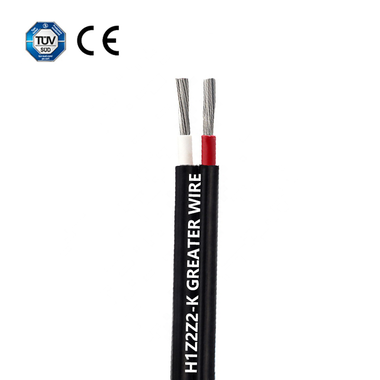
Can a 2.5mm Solar Cable Carry 32 Amps?
The short answer is no, a 2.5mm solar cable cannot safely carry 32 amps of current under typical conditions. Here's why:
Exceeds Current Rating: As mentioned earlier, a 2.5mm solar cable is typically rated for 15-20 amps, depending on factors such as the insulation type and environmental conditions. A current of 32 amps far exceeds this capacity, leading to the risk of overheating and potential damage to the cable and system.
Risk of Overheating: When a cable is subjected to current above its rated capacity, it can overheat, potentially damaging the insulation and causing electrical hazards. Overheating can lead to cable failure, electrical fires, and other dangerous situations.
Voltage and Distance Limitations: Even if the system operates at a high voltage or the cable length is short, the 2.5mm solar wire is not designed to handle the high current required for 32 amps. To avoid excessive voltage drop and ensure safe operation, a larger cable size is necessary.

When Should You Use a 2.5mm Solar Cable?
While a 2.5mm solar cable is not suitable for carrying 32 amps, it is still an excellent choice for many solar applications. Here are some scenarios where a 2.5mm solar wire is appropriate:
Small Residential Systems: For small solar installations with low current requirements (typically below 20 amps), a 2.5mm solar cable is sufficient. These systems are often found in off-grid homes, RVs, and small solar-powered devices.
Short Cable Runs: In cases where the distance between components is short (less than 20 meters), a 2.5mm solar cable can handle the required current without significant voltage drop or overheating.
Low-Power Applications: If the solar system is designed to power a few devices or a small load (e.g., a small pump or light), a 2.5mm solar cable is an ideal choice. For these types of low-power applications, the cable is cost-effective and easy to install.