


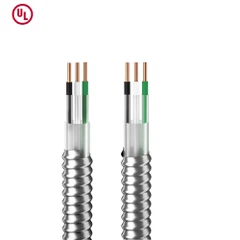
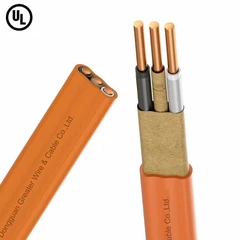
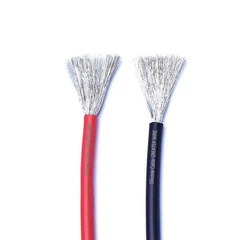
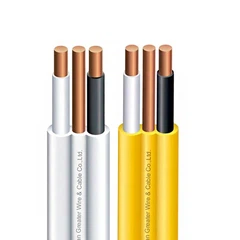
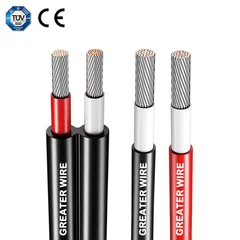

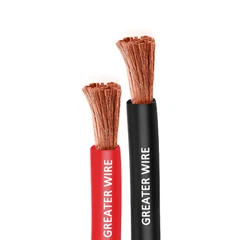
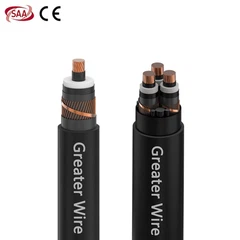
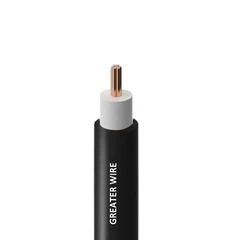
As the world continues to embrace renewable energy, solar power has emerged as one of the most widely used and sustainable energy sources. Photovoltaic (PV) systems are a crucial part of this shift, converting sunlight into electrical energy for both residential and industrial use. However, the performance and reliability of solar power systems depend on various components, one of the most important being the solar cable. These cables carry electricity from the solar panels to the rest of the system, such as inverters, batteries, and the grid.
Given that solar power systems are typically deployed in outdoor environments, the solar cables are exposed to diverse and extreme weather conditions, including high temperatures, low temperatures, blizzards, rain, and hailstorms. This raises the critical question: can solar cables work stably under such harsh environmental factors? In this article, we will explore how solar cables perform in extreme weather conditions, how their materials and construction help them withstand these conditions, and what precautions can be taken to ensure their longevity and safety.

Understanding Solar Cables and Their Function
Before diving into the impact of extreme weather conditions, it's important to understand the structure and function of solar cables. Solar cables are designed to connect solar panels with other components of a photovoltaic system, such as inverters, batteries, and the electrical grid. These cables must be capable of conducting electricity efficiently while being exposed to outdoor conditions.
Key Features of Solar Cables
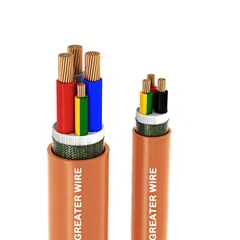
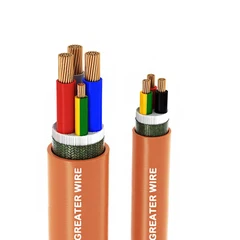
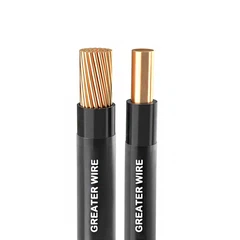
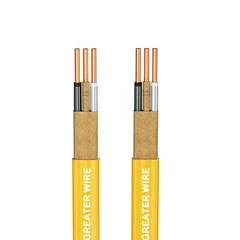
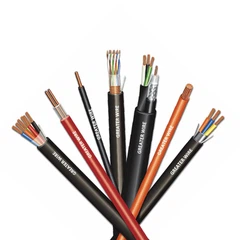
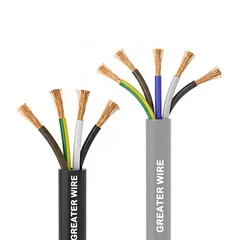
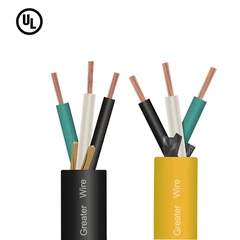
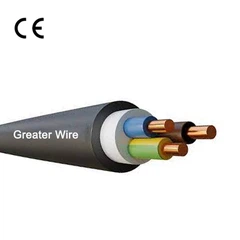
Conductors: The inner wires of solar cables are typically made from copper, which offers excellent electrical conductivity. Copper is preferred over aluminum because it is more efficient at conducting electricity and is less prone to corrosion.
Insulation: The outer layer of solar cables is coated with materials that protect the inner conductors from the environment. Common insulation materials include cross-linked polyethylene (XLPE), thermoplastic elastomers (TPE), and polyvinyl chloride (PVC).
UV Resistance: Since solar cables are exposed to sunlight for extended periods, they need to be resistant to ultraviolet (UV) radiation to prevent degradation of the insulation material.
Temperature Resistance: Solar cables must withstand a wide range of temperatures, from extreme heat in the summer to freezing cold in the winter. This is crucial to ensure that the cables continue to function safely and efficiently throughout the year.
Types of Solar Cables
There are two primary types of cables used in photovoltaic systems:
DC Solar Cables: These cables are used to connect the solar panels to the inverter and typically handle direct current (DC).
AC Solar Cables: These cables are used to connect the inverter to the electrical grid or battery storage and handle alternating current (AC).
Both types of cables must be robust enough to perform reliably in challenging weather conditions.

How Solar Cables Perform in Extreme Weather Conditions
1. High Temperature
In regions where high temperatures are common, solar cables face a variety of challenges. These conditions can put stress on the cables, affecting both their electrical conductivity and the integrity of their insulation. When temperatures rise above normal operating levels, the cable materials may soften, and insulation can degrade faster.
a. Temperature Resistance of Solar Cables
Solar cables are specifically designed to withstand high temperatures, with most cables rated to perform in environments ranging from -40°C to +90°C. The high-end materials used in the insulation of solar cables, such as XLPE, are known for their heat resistance, ensuring that the cables maintain their electrical properties even in high-heat environments.
b. Impact of High Temperatures on Cable Performance
While solar cables can handle extreme temperatures, prolonged exposure to excessive heat can still lead to some issues:
Degradation of Insulation: Over time, exposure to high temperatures can cause insulation materials to become brittle, crack, or lose their electrical properties. This degradation could increase the risk of electrical faults or short circuits.
Thermal Expansion: Extreme heat can cause cables to expand, which may lead to additional mechanical stress on the cables if they are not installed with proper slack or allowance for movement.
c. Mitigating Heat Damage
To ensure that solar cables perform optimally in hot climates, manufacturers often use heat-resistant materials and UV-protective coatings. Proper installation techniques, such as routing cables in shaded areas or using ventilated conduits, can also help reduce the impact of excessive heat.
2. Low Temperature
Conversely, low temperatures can present their own set of challenges for solar cables. Cold environments, especially those where temperatures fall below freezing, can cause materials to become brittle and less flexible, increasing the risk of cable damage.
a. Impact of Low Temperatures on Cable Insulation
In cold climates, solar cables are exposed to freezing temperatures, which can cause the following issues:
Brittleness of Insulation: When temperatures drop significantly, the materials used in cable insulation, such as PVC or TPE, can become brittle. This makes the cables more susceptible to cracking or breaking, especially during installation or movement.
Reduced Flexibility: Cold temperatures also reduce the flexibility of the cables, making it difficult to bend or maneuver them without causing damage. This could lead to problems during cable installation, particularly in areas where flexibility is crucial.
b. Cold Temperature Resistance
Most solar cables are designed to be operational in temperatures as low as -40°C. Cables with flexible and durable insulation can perform even in the harshest winter conditions without experiencing significant degradation or failure.
c. Preventing Low-Temperature Damage
To protect solar cables from low temperatures, it is essential to ensure proper cable insulation that is rated for cold environments. Additionally, ensuring that the cables are securely installed, with proper slack, can prevent stress from causing cracks in brittle insulation. In some cases, heating elements or thermal conduits may be added to prevent freezing.
3. Blizzards and Snow
Blizzards and heavy snow can also pose a significant challenge to solar cables, especially in areas that experience accumulation of snow on rooftops or exposed cables. Snow and ice can weigh down cables and potentially cause mechanical damage or compromise the electrical connection.
a. Snow and Ice Load
The accumulation of snow and ice can place additional strain on solar cables, especially if they are improperly secured. In heavy snow regions, solar cables must be strong enough to bear the additional weight without stretching, breaking, or disconnecting.
b. Water Resistance of Solar Cables
The insulation of solar cables is designed to be waterproof to prevent water infiltration, which can lead to electrical short circuits or corrosion of the conductors. However, when snow melts or thaws, the water may seep into cables if the insulation is compromised. Therefore, water-resistant and moisture-proof cables are essential for such environments.
c. Preventing Damage from Blizzards
To prevent snow and ice damage, solar cables should be installed with adequate spacing and mechanical protection, such as cable trays or conduits. Additionally, snow guards or heating cables can be used in extreme climates to prevent snow buildup on rooftops or other areas where cables are exposed.
4. Wind and Storms
In regions prone to high winds or storms, solar cables must be securely fastened to prevent movement that could lead to mechanical damage. Windstorms can carry debris that may damage exposed cables, and extreme weather events such as hurricanes or tornadoes can be devastating if cables are not properly protected.
a. Mechanical Strength of Solar Cables
Solar cables are designed to be flexible yet strong enough to withstand environmental stresses. However, in areas prone to high winds or flying debris, it is essential to ensure that cables are properly secured using cable ties, clamps, or protective conduits.

How to Ensure Solar Cables Work Stably in Extreme Weather
To maximize the reliability and stability of solar cables in extreme weather conditions, several best practices can be employed:
1. Selecting Quality Cables
Choose solar cables made from high-quality materials, such as UV-resistant, flexible, and heat-resistant insulation, to ensure they can withstand harsh weather conditions. Opt for cables rated for extreme temperature ranges and waterproofing for added durability.
2. Proper Installation
Ensure that the solar cables are installed in a manner that accounts for environmental conditions. Use protective conduits, cable trays, or clamps to prevent cables from being exposed to mechanical stress, and ensure they have proper slack for thermal expansion and contraction.
3. Regular Inspection and Maintenance
Conduct regular inspections of solar cables to ensure they are not damaged by environmental factors. Check for signs of wear, UV degradation, or physical damage caused by snow, ice, or wind. Replace damaged cables promptly to maintain system safety and performance.
4. Environmental Considerations
In areas prone to extreme weather, consider additional protective measures such as heating cables for freeze protection or snow guards to prevent snow accumulation. Additionally, ensure that solar panels and cables are properly spaced and secured to prevent damage from extreme winds or heavy snow loads.