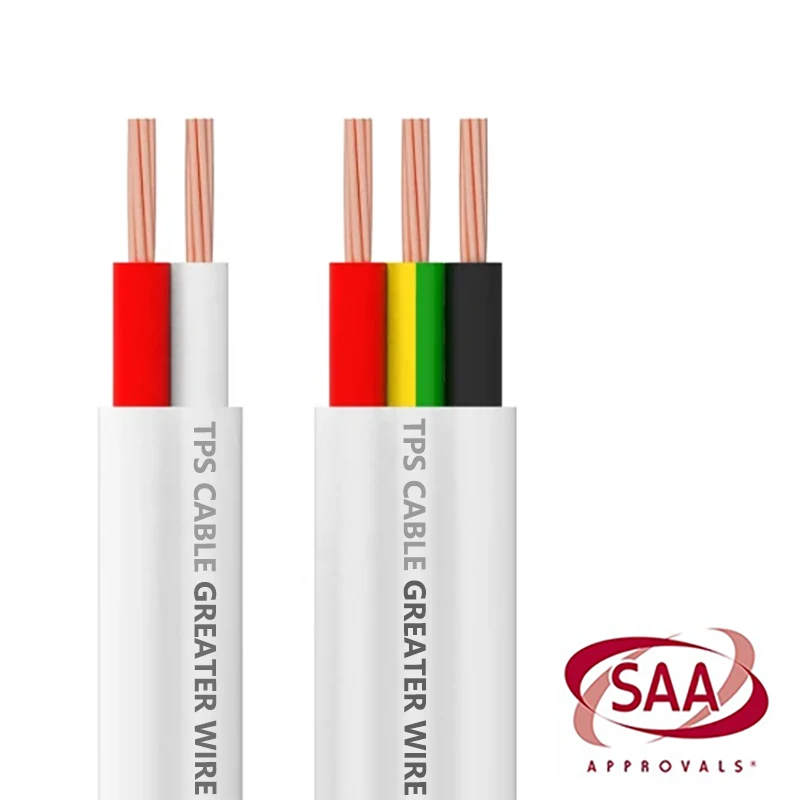

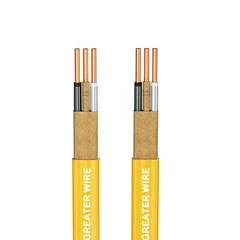
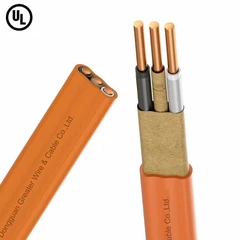
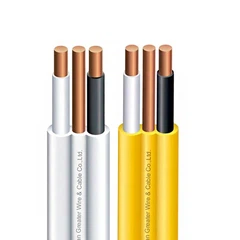
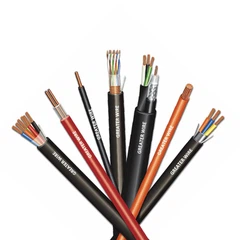
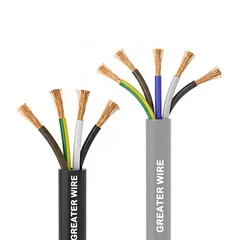
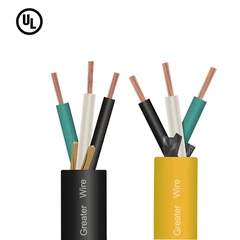
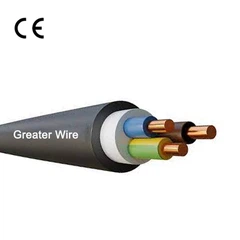
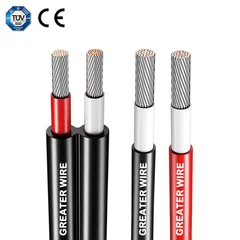

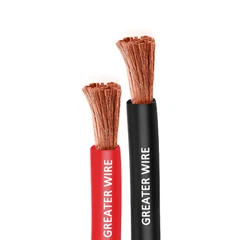
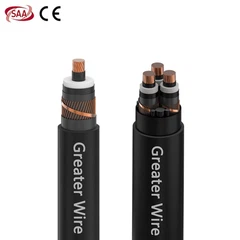
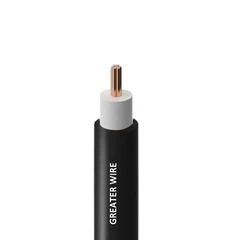
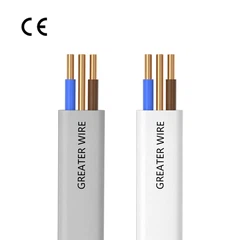
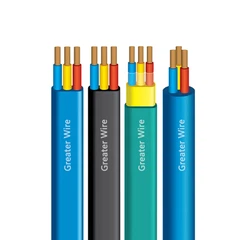
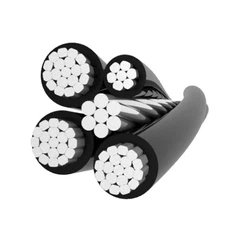
SAA TPS electrical cables are usually suitable for indoor and outdoor power transmission and have certain protective capabilities, but whether they can be directly buried underground needs to consider several factors:
The outer skin of SAA TPS electrical cable is generally made of PVC material, which is not suitable for direct exposure to humid or highly corrosive soil environments. If buried underground for a long time, the electrical tps cable sheath may be damaged, thereby affecting the safety and service life of the tps cable. For example, a normal TPS electrical cable has a lifespan of 70 years, but if used as a buried cable, it may only have a lifespan of 10 years.
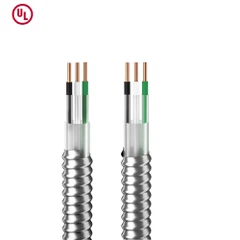
SAA flat tps cable are typically designed for fixed wiring and are suitable for interior walls, ceilings, and floors in home or industrial settings, but are not recommended for buried applications. For underground burial, it is usually necessary to choose cables specifically designed for burial, such as cable types with additional waterproof, corrosion-resistant, and mechanical protection (such as underground power cables, armored cables, etc.).
Protection requirements for underground burial: If burial is necessary, it may be necessary to install protective pipes outside the flat tps cable or use specialized underground cables to prevent damage to the cable sheath and avoid contact with moisture or chemicals.
The electrical installation standards in different regions may have clear requirements for underground cable laying, especially in areas with high humidity. When laying underground cables, it is recommended to check relevant regulations or consult professional electricians to ensure compliance with installation standards and safety requirements.
SAA electrical tps cable are not recommended to be buried directly underground. If electrical tps cable laying is required underground, it is best to choose cables specifically designed for underground installation and take appropriate protective measures.