



As the demand for renewable energy continues to rise, solar power has become one of the most popular and sustainable options for electricity generation. Photovoltaic (PV) systems, which convert sunlight into electricity, rely heavily on high-quality components that can withstand the harsh outdoor environment. Among these components, solar cables play a crucial role in transmitting the electrical energy generated by solar panels to other parts of the system, such as inverters and batteries.
Given that solar cables are often exposed to varying weather conditions, environmental stress, and physical wear, one important consideration is whether solar cables require additional protection measures, such as pipes, bridges, or conduit systems, to enhance their durability and ensure the safe operation of the solar power system. This article will explore the need for protective measures for solar cables, discuss common methods of protection, and highlight the importance of appropriate cable management for long-term system reliability.

Importance of Protection for Solar Cables
Solar cables are subjected to a range of environmental factors that can cause wear and damage over time. Since these cables are primarily used outdoors, they must withstand various conditions, including:
UV radiation from the sun
Extreme temperatures (both hot and cold)
Moisture exposure, such as rain, snow, or high humidity
Physical abrasion from contact with rough surfaces or objects
Chemical exposure, such as from industrial areas or coastal regions
Rodent damage and other potential hazards
The combination of these factors can cause the insulation of the cables to degrade, leading to potential electrical failures or even fire hazards. The voltage resistance, current-carrying capacity, and overall lifespan of the cables can also be negatively impacted by prolonged exposure to such elements.
To prevent such damage and ensure that solar cables perform optimally for their intended lifespan, additional protection measures may be required. Let's examine the different ways solar cables can be protected and the circumstances in which such measures are necessary.

Common Protection Measures for Solar Cables
Various methods can be used to protect solar cables from environmental damage. These protection measures help to shield the cables from physical damage, environmental factors, and external interference. Below are some common types of protection used in photovoltaic systems:
1. Conduit Systems (Pipes)
One of the most common methods of protecting solar cables is by enclosing them in conduits, such as PVC, HDPE (High-Density Polyethylene), or metal conduits. Conduits serve as protective pipes that encase the cables, providing several key benefits:
a. Protection from Physical Damage
Conduits act as a physical barrier that shields the cables from abrasion, crushing, and punctures caused by external factors such as sharp objects, rocks, or mechanical stress during installation or maintenance. For example, cables may be exposed to damage if they are laid on the ground or in areas with heavy foot traffic or construction equipment.
b. Protection from UV Radiation
UV radiation can cause the insulation on cables to degrade over time. Conduits can offer protection from UV exposure, especially when outdoor cables are installed in areas with prolonged sun exposure. While UV-resistant cables can handle some UV radiation, the added protection from conduits helps prolong the lifespan of the cables.
c. Weatherproofing and Moisture Resistance
PVC or HDPE conduits can help protect cables from moisture, rain, and snow. These conduits are often used in installations where cables may be exposed to water or humidity. Water ingress can lead to short-circuiting and cable corrosion, so ensuring the cables are properly shielded from moisture is critical for system reliability.
d. Easier Installation and Maintenance
Conduits also make it easier to install, organize, and manage cables. Cables can be pulled through the conduit, which prevents tangling and ensures a more organized installation. Additionally, if cables need to be replaced or repaired, the conduit offers easy access without the need for extensive digging or disassembly.
2. Cable Trays and Bridges
In some photovoltaic installations, particularly in large-scale commercial and industrial systems, cable trays and bridges are used to protect and organize solar cables. These methods are typically used in systems with significant cable runs and can be installed on rooftops or within building infrastructure. Here's how they work:
a. Organizing Cables
Cable trays and bridges help to keep multiple cables organized, preventing them from tangling or crossing over each other. This is especially important in large-scale systems where numerous cables are required to connect multiple solar panels to the inverter or battery storage.
b. Minimizing Stress and Damage
By elevating cables above the surface or within the framework of a cable bridge, the cables are less likely to experience physical damage from environmental factors such as wind, debris, or the movement of equipment. The use of cable trays helps to distribute the weight of the cables evenly and reduces the risk of stretching or crushing the cables.
c. Improved Air Circulation
Cable trays allow for better ventilation and airflow around the cables. This can help prevent the buildup of heat, particularly in areas where high currents are being transmitted. Proper cooling of cables can improve their efficiency and longevity.
3. Underground Burial (With Protective Ducts)
In some cases, especially for residential systems, solar cables may be buried underground. However, cables must be protected by protective ducts (such as rigid PVC pipes or HDPE ducts) to prevent physical damage and exposure to environmental elements.
a. Protection from Rodents and Physical Damage
Rodents and other pests may attempt to chew on exposed cables, leading to insulation breakdown or short circuits. Protective ducts safeguard the cables from such damage by creating a barrier between the cables and pests. Additionally, underground installation reduces the risk of mechanical damage from traffic or construction activity.
b. Moisture and Chemical Resistance
Underground environments are often more prone to moisture buildup. HDPE ducts are resistant to water and chemicals, ensuring that the cables remain dry and free from corrosive agents. This is especially important in coastal or industrial areas where cables may be exposed to salty air or harsh chemicals.
4. Surface-Mounting and Cable Armor
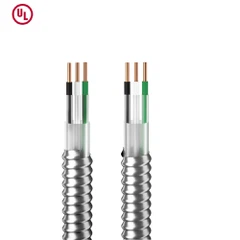
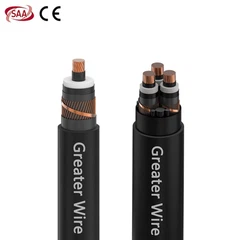
In areas where it is not feasible to bury the cables or use conduits, surface-mounting solar cables on walls or structures can be an effective protection strategy. To further protect the cables, cable armor or armored cables can be used. These cables have an added layer of metallic shielding (typically made of steel or aluminum) to protect them from mechanical damage, such as impacts, crushing, or abrasion.
a. Enhanced Protection for Exposed Installations
For rooftop installations or areas with potential physical hazards, armored cables provide an extra layer of protection against damage from external factors. The metal shielding around the cables ensures that the internal conductors remain intact and the insulation is not compromised.
b. Durability in Harsh Environments
Armored cables are ideal for installations in industrial or coastal environments, where the cables may be exposed to extreme conditions, including heavy machinery, corrosive chemicals, or saltwater. The added protection enhances the cable's ability to withstand these conditions without degradation.
5. Cable Ties and Clips
While not a form of external protection, cable ties and clips play an important role in organizing and securing cables during installation. By properly securing the cables along surfaces, these tools help prevent movement, which could lead to wear or damage over time.
a. Preventing Strain and Tension
Proper cable management ensures that the cables do not experience undue stress, which could lead to electrical faults or mechanical failure. Using cable ties or clips to secure cables along structures, such as walls or beams, minimizes movement and keeps cables safely in place.
6. Flexible Cable Protection Systems
For areas that require flexibility and ease of movement, flexible cable protection systems can be used. These systems often involve the use of corrugated pipes or flexible conduits that can move with the structure or adjust to changes in configuration.
a. Adaptability in Complex Installations
In large or evolving PV systems where configurations might change, flexible protection systems allow the cables to move without risk of damage. This adaptability is particularly useful in roof-mounted solar installations or systems that require adjustments during maintenance or expansion.