


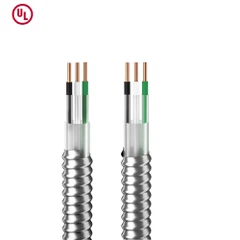
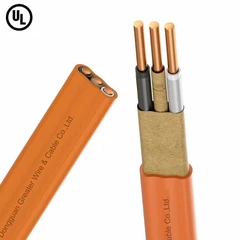
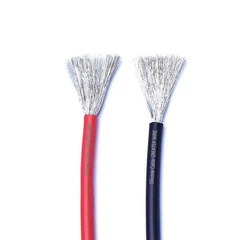
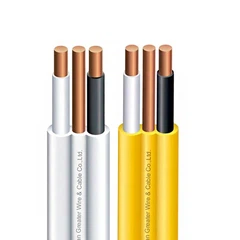

Solar power has become a prominent energy source due to its sustainability, cost-effectiveness, and positive environmental impact. The components of solar power systems, particularly solar cables, play a vital role in ensuring the efficiency and longevity of these installations. Solar cables connect photovoltaic (PV) panels to inverters, batteries, and other components of the solar energy system. One critical factor influencing the performance and durability of solar cables is their corrosion resistance. Since solar cables are exposed to harsh outdoor conditions, understanding how well these cables resist corrosion and their suitability for use in environments like seaside and industrial areas is essential.
This article delves into the corrosion resistance of solar cables and evaluates whether they can be used in environments exposed to high moisture, salt, pollutants, and other harsh conditions.

What is a Solar Cable?
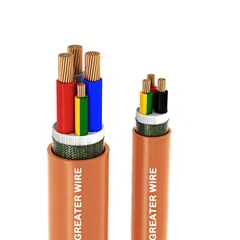
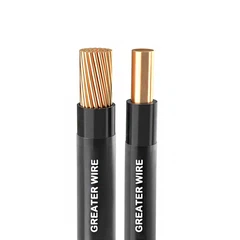
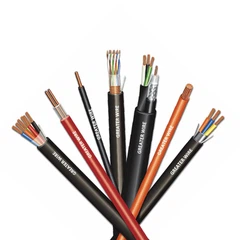
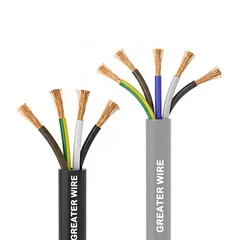
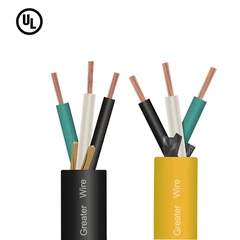
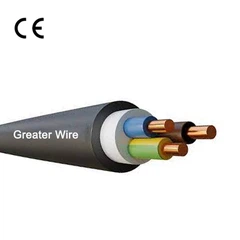
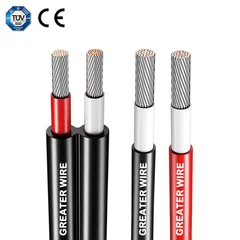
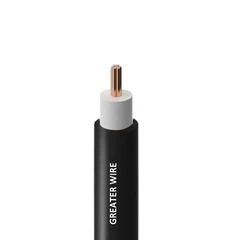
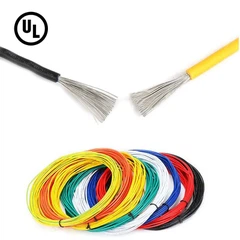
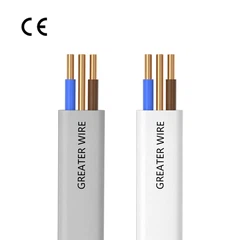
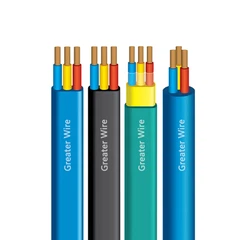
A solar cable is a specialized electrical cable used in photovoltaic systems to carry electrical power from solar panels to other parts of the solar power system, such as inverters or batteries. Unlike standard electrical cables, solar cables are designed to withstand the harsh conditions typically encountered in outdoor environments. The core construction of a solar cable typically consists of copper conductors (or sometimes aluminum) and insulating materials that are resistant to UV radiation, moisture, and temperature fluctuations.
The cables are made with specific properties to ensure safety and longevity in exposed environments, including:
UV resistance: Solar cables are made with materials that prevent degradation from sunlight.
Temperature resistance: They can withstand both high and low temperatures.
Moisture and water resistance: The insulation is designed to keep water and humidity from damaging the internal conductors.
Corrosion resistance: Essential for ensuring that the cables don't suffer from rust or degradation, especially in coastal and industrial areas.

Factors Leading to Corrosion in Cables
Corrosion in cables is primarily caused by the presence of moisture, pollutants, and exposure to chemicals or salty air. These factors can lead to the degradation of the cable's conductor material (usually copper) or the insulation, which compromises the performance of the entire solar power system. The two most common types of corrosion are:
Electrolytic corrosion: This type occurs when metal conductors come into contact with moisture or chemicals, causing the formation of metal ions that accelerate degradation. This is a significant concern in coastal environments with high humidity and salt concentrations.
Galvanic corrosion: This occurs when two different metals are in electrical contact in the presence of an electrolyte (such as water or salt), which can lead to the faster deterioration of one of the metals.
Given the importance of corrosion resistance, solar cables used in exposed locations must be made with materials and construction techniques that prevent these types of corrosion from affecting their functionality.

Materials Used in Solar Cables to Prevent Corrosion
The corrosion resistance of solar cables is largely determined by the materials used in their construction, including the conductor, insulation, and outer sheath. The most common materials used are as follows:
1. Copper Conductors
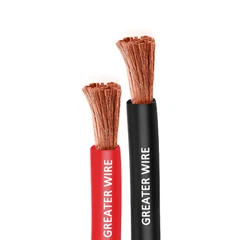
Copper is the preferred material for the conductors of solar cables due to its excellent electrical conductivity. However, copper is susceptible to corrosion when exposed to moisture and pollutants in the environment. To address this, some solar cables use tinned copper, which is copper coated with a thin layer of tin. This coating acts as a protective barrier to prevent corrosion, particularly in coastal or industrial areas where salt and humidity levels are high.
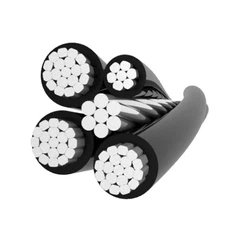
While tinned copper improves corrosion resistance, it's important to note that aluminum conductors are also sometimes used, especially in large-scale solar power installations. Aluminum does not corrode as easily as copper but is generally less conductive. To prevent oxidation, aluminum cables are often coated or treated with corrosion-resistant finishes.
2. Insulation Materials
The insulation material surrounding the copper conductors is also vital in preventing corrosion. Most solar cables use cross-linked polyethylene (XLPE), thermoplastic elastomers (TPE), or polyvinyl chloride (PVC) for insulation. These materials are resistant to UV radiation, high temperatures, and moisture, thus preventing external factors from affecting the copper conductor.
In environments where cables are exposed to high humidity or direct contact with water, waterproof insulation materials are often used. These materials act as barriers to prevent moisture from entering the cable and causing corrosion. Additionally, insulation made of thermoplastic rubbers is highly resistant to mold and fungi growth, which can occur in humid conditions.
3. Outer Sheath and Coating
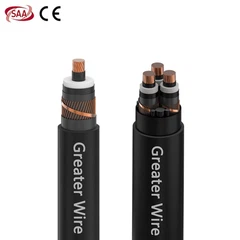
The outer sheath of the solar cable is designed to protect it from external damage, including corrosion. High-quality solar cables often feature a tough, UV-resistant, and weatherproof outer sheath made of materials such as polyvinyl chloride (PVC), thermoplastic elastomers (TPE), or polyethylene (PE). These materials protect the inner conductors and insulation from the effects of salt, moisture, chemicals, and other environmental factors that can lead to corrosion.
In coastal areas, where saltwater exposure can significantly increase the risk of corrosion, manufacturers often design solar cables with corrosion-resistant outer coatings. These coatings provide an additional layer of protection against the harsh conditions found in seaside environments.

Solar Cables in Seaside Environments
1. Challenges of Seaside Environments
Seaside areas are notorious for their challenging environmental conditions. The high salt content in the air, combined with high humidity, accelerates the rate of corrosion on most materials. Saltwater, in particular, is highly corrosive to metals like copper and aluminum, which are commonly used in solar cables. Additionally, the air in coastal regions often contains higher levels of moisture, which can lead to condensation and further promote corrosion.
2. Corrosion Resistance in Seaside Installations
Solar cables used in seaside environments must have superior corrosion resistance to withstand the effects of salty air and moisture. This is achieved through the use of tinned copper conductors, which offer enhanced corrosion resistance, as well as specialized coatings and materials for the outer sheath. These cables are designed to be resistant to the corrosive effects of salt, preventing rust and degradation.
Solar cables that meet IEC 60216 standards for resistance to weathering, corrosion, and moisture are typically ideal for seaside installations. Additionally, manufacturers often offer cables that are specifically rated for marine or coastal environments, ensuring the cables are durable and reliable even in the most challenging conditions.
3. Maintenance and Lifespan
While high-quality solar cables designed for seaside environments are built to last, regular maintenance and inspections are still recommended. Saltwater corrosion can sometimes find its way into even the most well-protected cables, especially if the protective coating gets damaged. Regular checks ensure that any issues are identified early, preventing long-term damage and system failures.

Solar Cables in Industrial Environments
1. Challenges of Industrial Environments
Industrial environments are often characterized by the presence of various pollutants, chemicals, and dust, which can have detrimental effects on the materials used in solar cables. These environments also experience frequent temperature fluctuations, mechanical stress, and vibrations, which can degrade cable materials over time. Additionally, the air may contain corrosive substances such as sulfur dioxide, nitrogen oxide, and other industrial pollutants that accelerate the corrosion process.
2. Corrosion Resistance in Industrial Installations
For use in industrial environments, solar cables must be equipped with robust corrosion-resistant properties to withstand exposure to chemicals, pollutants, and other harsh elements. Similar to seaside environments, tinned copper conductors and corrosion-resistant outer sheaths are essential for protecting solar cables in industrial settings. Furthermore, cables designed for industrial use may feature enhanced insulation to prevent the ingress of moisture, dust, and other corrosive substances.
Industrial solar cables often undergo additional testing for chemical resistance and mechanical strength to ensure they can function optimally in environments with aggressive contaminants and physical wear.
3. Durability and Maintenance
Solar cables in industrial settings may also face additional stresses, such as vibrations or mechanical impacts. To mitigate these challenges, cables used in such environments are designed to be more durable and resistant to abrasion. Regular maintenance, including periodic checks for damage or signs of wear, is crucial to ensure the ongoing performance and safety of the system.