

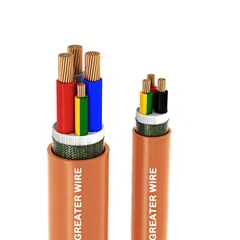
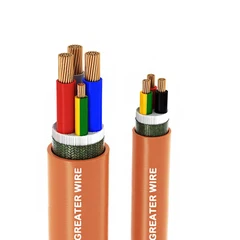

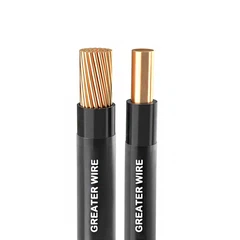
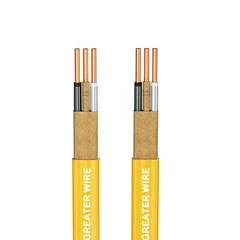

Bonding in AC90 cable installations is maintained through the bonding conductor, metallic armour, approved cable connectors, and properly secured electrical connections. These components work together to provide electrical continuity and a low-impedance path for fault current, helping protective devices operate when an electrical fault occurs.
In Canada, AC90 installations must follow the applicable requirements of CSA C22.1, Canadian Electrical Code (CEC), Part I. In particular, Section 10 addresses grounding and bonding, while Rule 12-608 covers the continuity of armoured cables. Understanding how these requirements work helps electrical contractors, installers, and procurement professionals avoid common bonding problems.
1. What Is Bonding in an AC90 Cable Installation?
Bonding is the electrical connection of non-current-carrying metallic parts to establish an effective path for fault current.
In a typical AC90 installation, the metallic armour, electrical boxes, and equipment enclosures must be connected through an appropriate bonding arrangement.
If an energized conductor accidentally contacts a metallic enclosure, the bonding path helps carry fault current back toward the electrical source. This allows the overcurrent protective device to operate and disconnect the faulty circuit.
Without effective bonding, exposed metal parts could remain energized and create an electric shock hazard.
Bonding vs. Grounding: What Is the Difference?
Although bonding and grounding are closely related, they have different functions.
Bonding connects conductive parts together to maintain electrical continuity and provide a fault-current path.
Grounding connects the electrical system to earth through the grounding arrangement.
In Canadian electrical terminology, bonding is particularly important for ensuring that exposed metallic parts do not remain at dangerous electrical potentials during a fault.


2. What Components Maintain Bonding in AC90 Cable?
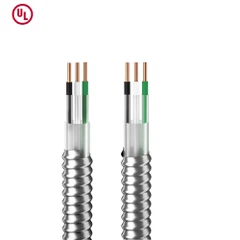
A typical copper AC90 cable includes several components that contribute to its electrical and mechanical performance.
Internal Bonding Conductor
The bonding conductor is typically a bare copper conductor installed within the cable assembly.
Unlike insulated phase conductors, it does not normally carry operating current. Its primary purpose is to provide a bonding path between connected electrical equipment.
The bonding conductor must have the appropriate size and construction for the cable design and applicable electrical requirements.
Metallic Interlocked Armour
AC90 commonly uses interlocked aluminum armour surrounding the insulated conductors and bonding conductor.
The armour provides mechanical protection and forms part of the cable's metallic construction.
However, the armour should not automatically be treated as an independent replacement for the bonding conductor. Under CEC Rule 10-610(2), the armour of armoured cables incorporating a bonding conductor is not considered to fulfill the bonding-conductor requirement unless the armour and bonding conductor are in continuous electrical contact.
Approved Cable Connectors
Cable connectors provide the mechanical and electrical connection between the AC90 armour and electrical enclosures.
Suitable connectors must be selected for the specific cable construction and installation conditions.
Their installation is important because loose, incompatible, or improperly assembled connections can compromise bonding continuity.

3. How Is Bonding Maintained at AC90 Cable Terminations?
Proper termination is one of the most important parts of maintaining bonding continuity.
A typical AC90 installation involves connecting the cable between junction boxes, distribution panels, or electrical equipment.
The general termination process includes the following steps.
Step 1: Prepare the cable carefully.
Remove the required length of armour without damaging the insulated conductors or internal bonding conductor.
Step 2: Install an approved AC90 connector.
Use a connector suitable for the cable type, armour dimensions, and receiving enclosure. Follow the connector manufacturer's installation instructions.
Step 3: Establish the armour connection.
Ensure the connector properly engages the armour and makes the required electrical connection with the metal enclosure.
Step 4: Connect the bonding conductor.
Terminate the bonding conductor using an appropriate bonding screw, lug, pressure connector, or other approved bonding device.
Step 5: Inspect the completed termination.
Check that the connector is secure, the bonding conductor is properly connected, and the insulated conductors are protected against abrasion.
The precise termination arrangement depends on the equipment, enclosure type, and applicable CEC requirements.
4. What Does the Canadian Electrical Code Require for AC90 Bonding?
Two important areas of the Canadian Electrical Code are particularly relevant to AC90 bonding.
CEC Section 10: Grounding and Bonding
Section 10 establishes requirements for bonding conductive electrical equipment and maintaining electrical continuity.
Rule 10-610 addresses bonding methods for fixed equipment. It recognizes effective metallic interconnections, cable bonding conductors, and bonding conductors installed with circuit conductors as permitted methods.
Rule 10-610(2) specifically addresses armoured cables incorporating a bonding conductor. It establishes that the armour cannot automatically be considered a bonding conductor unless both components are in continuous electrical contact.
Rules 10-604 and 10-606 also address bonding continuity at service equipment and other equipment locations, respectively.
These requirements make the quality of cable connectors and enclosure terminations particularly important.
CEC Rule 12-608: Continuity of Armoured Cables
Rule 12-608 requires the mechanical and electrical continuity of armoured cable armour to be maintained throughout the cable run, with the armour mechanically and electrically secured to the equipment to which it is attached.
The rule includes a specific exception at the final termination of a feeder or branch circuit where:
The final enclosure is non-metallic.
An electrical connection between the armour and bonding system has been established at the supply end.
The equipment at the final termination is bonded using the cable's internal bonding conductor.
This exception is conditional and should not be interpreted as general permission to leave armour disconnected.

5. Common Bonding Problems in AC90 Installations
Even when the correct AC90 cable is selected, installation mistakes can compromise bonding performance.
| Common problem | Potential consequence |
|---|---|
| Loose cable connectors | Poor electrical continuity |
| Incorrect connector selection | Inadequate armour connection |
| Damaged bonding conductor | Interrupted bonding path |
| Poor bonding conductor termination | Unreliable electrical connection |
| Improper armour cutting | Mechanical damage and possible electrical continuity problems |
| Corroded connections | Increased connection resistance |
| Incorrect enclosure bonding | Exposed metallic parts may not be effectively bonded |
Contractors should inspect both the cable assembly and its terminations rather than assuming that the presence of metallic armour guarantees a compliant bonding system.
6. Special Considerations for Different AC90 Installations
Not every AC90 installation uses exactly the same bonding arrangement.
Single-Conductor AC90 Cables
Single-conductor AC90 installations require particular attention to conductor arrangement, cable connectors, and magnetic effects.
For high-current installations, contractors should follow the manufacturer's installation instructions and applicable CEC requirements when selecting supports and connectors.
Multiple AC90 Cable Runs
When several AC90 cables enter the same electrical enclosure, each bonding conductor must be properly connected to the bonding system.
CEC Rule 10-612 addresses the installation and interconnection of bonding conductors, including arrangements where multiple bonding conductors enter an enclosure.
Equipment with Non-Metallic Enclosures
Where a final enclosure is non-metallic, the specific conditions in CEC Rule 12-608 must be reviewed.
The bonding conductor still has an important role in connecting the equipment to the electrical bonding system.


7. How Can Contractors Verify AC90 Bonding Continuity?
Before energizing an AC90 installation, qualified electrical personnel should verify that the bonding arrangement is correctly installed.
A practical inspection checklist includes:
Confirm that the AC90 cable contains the specified bonding conductor.
Check that the armour has not been damaged during installation.
Verify that approved connectors are used at cable entries.
Inspect bonding conductor connections at junction boxes and equipment.
Confirm that metal enclosures are properly bonded.
Check compliance with the applicable CEC requirements.
Perform appropriate electrical continuity testing using suitable test equipment.
Continuity testing helps identify an open or poor bonding connection, but a continuity reading alone does not establish full code compliance. The installation must also meet applicable construction, connection, and bonding requirements.
Conclusion
Bonding in AC90 cable installations depends on more than the presence of a bare copper conductor or metallic armour. The bonding conductor, armour, connectors, electrical enclosures, and termination methods must work together to maintain an effective fault-current path.
For Canadian installations, CEC Section 10 and Rule 12-608 provide important requirements for bonding and armoured cable continuity.
By selecting suitable AC90 cable, using approved connectors, protecting the bonding conductor, and inspecting every termination, electrical contractors can help maintain reliable bonding continuity and improve electrical installation safety.
GERITEL WIRE – Reliable AC90 Cable Solutions for Canadian Electrical Projects
Reliable bonding starts with the right cable construction and properly specified components. GERITEL WIRE supplies AC90 armoured cable solutions for electrical distributors, contractors, OEM manufacturers, and industrial procurement teams. Our product range supports different conductor materials, AWG sizes, and cable configurations to meet varied project specifications. Whether you are sourcing AC90 cable for commercial buildings, industrial facilities, or electrical distribution systems, our team can help review your technical requirements and discuss suitable product options. Contact GERITEL WIRE to request AC90 cable specifications and explore sourcing solutions for your next electrical project.
Dongguan Greater Wire & Cable Co., Ltd.
Tel/WhatsApp/Wechat: +86 136 6257 9592
Tel/WhatsApp/Wechat: +86 135 1078 4550
Email: manager01@greaterwire.com
Website: www.greaterwire.com