























Solar energy is a rapidly growing renewable energy source worldwide, and its application in both residential and commercial settings is expanding. However, solar energy systems are highly dependent on the performance and longevity of the components used, particularly solar wires and cables. One of the most important factors that influence the lifespan of solar cables is their resistance to corrosion, especially when they are installed in challenging environments like seaside areas, where high humidity, saltwater, and UV radiation can pose significant threats.
In this article, we will explore the corrosion resistance of solar wires and cables, specifically addressing their suitability for use in seaside environments. We will examine the materials and construction of solar cables, the factors that contribute to corrosion, and the best practices for ensuring the longevity of these cables in coastal regions.

What is a Solar Cable?
A solar cable is a specialized type of electrical cable used in photovoltaic (solar power) systems to connect solar panels to other components, such as inverters, charge controllers, and batteries. These cables must be able to withstand the harsh outdoor conditions in which solar energy systems are often deployed.
Solar cables typically consist of conductors, insulation, and an outer protective sheath. The conductors are usually made of copper or aluminum, while the insulation and sheath are made from materials like cross-linked polyethylene (XLPE) or ethylene propylene rubber (EPR). These materials are specifically chosen for their durability, resistance to UV radiation, and ability to handle temperature fluctuations. However, for installations in coastal areas, additional considerations are required to ensure the cables can resist corrosion from saltwater and salt-laden air.

Corrosion Resistance of Solar Wires and Cables
Corrosion is a natural process that occurs when metals, such as copper, react with elements in the environment, particularly oxygen and moisture. In coastal environments, the risk of corrosion is significantly increased due to the presence of saltwater and salt mist in the air. Salt acts as a catalyst, accelerating the breakdown of metal surfaces. As a result, choosing the right materials for solar wires and cables is crucial in seaside installations.
1. Conductors: Copper vs. Tinned Copper
The most common materials used for conductors in solar cables are copper and aluminum. Copper is the preferred choice due to its excellent electrical conductivity. However, copper is susceptible to corrosion, especially in saline environments. To mitigate this, tinned copper is often used in solar cables. Tinning involves coating the copper conductor with a thin layer of tin, which significantly improves its resistance to corrosion, particularly from saltwater and humidity.
Tinned copper is much more durable than bare copper in seaside installations, as the tin coating provides a barrier that prevents salt from directly contacting the copper. However, while tinned copper offers better corrosion resistance, it is still not immune to long-term corrosion under extreme conditions. For this reason, solar cables with tinned copper conductors are often recommended for use in coastal and marine environments.
2. Insulation: UV Resistance and Durability
The insulation surrounding the conductors in solar cables serves multiple purposes: protecting the cables from physical damage, providing electrical insulation, and preventing environmental factors like moisture and UV radiation from degrading the cable. In seaside areas, where UV radiation and high humidity are common, solar cable insulation must be highly resistant to these factors.
The most common materials used for insulation in solar cables are cross-linked polyethylene (XLPE) and ethylene propylene rubber (EPR). Both materials are known for their excellent UV resistance and ability to withstand temperature fluctuations. However, exposure to salt-laden air, especially in regions near the ocean, can still cause degradation of the insulation material over time.
For seaside installations, solar cables with UV-resistant and weatherproof insulation are essential. Cables that meet standards such as IEC 60216 and UL 4703 are often specifically designed to withstand harsh environmental conditions, including high UV exposure and salt corrosion.
3. Outer Sheath: Protection Against Physical Damage and Corrosion
The outer sheath of a solar cable provides an additional layer of protection against environmental hazards such as physical damage, UV radiation, and moisture. It is typically made from materials such as polyvinyl chloride (PVC), low smoke zero halogen (LSZH), or thermoplastic elastomer (TPE). Each of these materials has different properties that make them suitable for different environmental conditions.
PVC is the most commonly used material for the outer sheath of solar cables. It is resistant to moisture and UV radiation, but its resistance to saltwater and chemicals is somewhat limited.
LSZH sheaths are designed to reduce smoke and toxic fumes in the event of a fire, making them more environmentally friendly. However, they may offer less resistance to saltwater corrosion compared to other materials.
TPE is a more robust material that offers superior protection against environmental factors, including UV rays, temperature extremes, and moisture. It is particularly suitable for installations in coastal regions, where exposure to saltwater mist is common.
4. Factors Contributing to Corrosion in Seaside Environments
The seaside environment presents several challenges that contribute to the accelerated corrosion of solar cables:
Saltwater Exposure: The primary source of corrosion in coastal areas is saltwater. The salt in seawater is highly corrosive to metals, including copper and aluminum. Even when solar cables are not directly exposed to seawater, salt-laden air and mist can cause corrosion over time.
Humidity: Coastal areas often experience high humidity levels, which can exacerbate the effects of saltwater corrosion. Humidity can lead to condensation within cables, promoting the oxidation of metal conductors and the degradation of insulation and sheathing materials.
UV Radiation: High levels of UV radiation are another major factor in the degradation of solar cables. UV rays can break down the molecular structure of insulation and sheathing materials, causing them to become brittle and prone to cracking.
Temperature Fluctuations: Coastal environments often experience significant temperature changes between day and night. These fluctuations can cause the materials in solar cables to expand and contract, which can lead to the development of cracks or other forms of physical damage. Over time, this can increase the risk of corrosion.
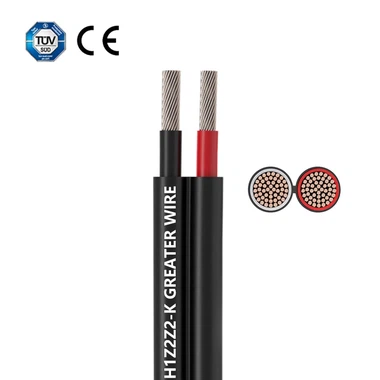
Can Solar Cables Be Used at the Seaside?
Yes, solar cables can be used at the seaside, but there are several important factors to consider when selecting and installing cables in coastal environments. The key is to choose cables specifically designed for outdoor use, with materials that offer enhanced resistance to corrosion, UV radiation, and moisture. Here are some recommendations for seaside installations:
Choose Tinned Copper Conductors: Tinned copper offers better resistance to corrosion than bare copper, making it a better choice for seaside applications.
Use UV-Resistant Insulation: Ensure that the insulation is made from materials like XLPE or EPR, which are known for their UV resistance and durability in harsh outdoor environments.
Select Marine-Grade Cables: For installations near the sea or in high-salt environments, look for cables that are specifically rated for marine or coastal use. These cables typically have additional protective coatings and are designed to withstand exposure to saltwater and salt mist.
Consider Robust Outer Sheaths: Cables with TPE or other weatherproof materials for the outer sheath are ideal for seaside installations as they offer superior protection against environmental factors.
Regular Maintenance: Even with the best-quality cables, regular inspection and maintenance are necessary to ensure that cables remain in good condition, particularly in environments prone to corrosion.