


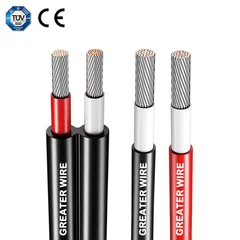

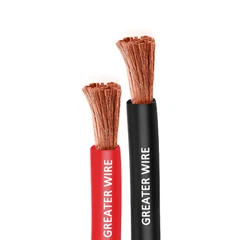
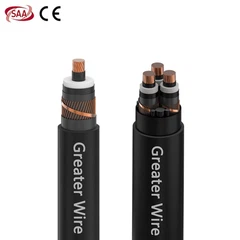
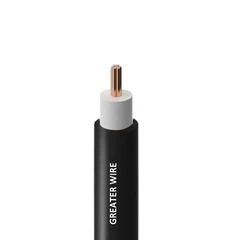
When it comes to the safe and reliable operation of solar energy systems, solar cables (or solar wires) play an essential role in transmitting electricity from the solar panels to other components such as the inverter, battery storage, and electrical grid. These cables must withstand a range of environmental and mechanical stresses, including temperature fluctuations, physical wear, moisture, and, of course, fire hazards.
In this article, we will explore the fire resistance of solar cables, what makes these cables fire-resistant, how they contribute to the safety of solar power systems, and the standards they must meet to ensure optimal protection against fire risks.

1. The Role of Solar Cables in Solar Power Systems
Solar cables are used to connect various components within a solar power system, including photovoltaic (PV) panels, inverters, and batteries. These cables must transport electricity efficiently while maintaining safety standards. As solar power systems are typically installed outdoors, where they are exposed to sunlight, rain, wind, and varying temperatures, the cables need to be durable, flexible, and, importantly, fire-resistant.
Given that these systems are often located in homes, commercial buildings, or even in remote areas, the fire resistance of solar cables becomes crucial. A fire hazard could potentially arise due to faults like short circuits, overheating, or external damage caused by environmental factors. Thus, ensuring that solar wires are fire-resistant is paramount in maintaining the safety and integrity of the entire solar system.

2. Why is Fire Resistance Important for Solar Cables?
The fire resistance of solar cables is an important safety feature for several reasons:
Short Circuits: If a solar cable experiences a short circuit due to damage or improper installation, it could cause overheating and potentially ignite a fire. Fire-resistant cables can help reduce the risk of such occurrences.
Overheating: The solar cables are designed to handle high currents that may generate heat. Without proper fire-resistant insulation, this could lead to insulation degradation, short circuits, or even fires.
Environmental Exposure: Solar cables are typically exposed to direct sunlight, rain, and wind, and are installed in areas where fire hazards (such as nearby wildfires or electrical equipment) might exist. Therefore, having fire-resistant solar cables can mitigate the risks associated with electrical fires.
Safety Regulations: Certain safety regulations require solar cables to meet stringent fire-resistance standards. Compliance with these standards ensures that the cables can withstand exposure to flame and prevent the spread of fire.

3. Fire-Resistant Properties of Solar Cables
The fire resistance of solar cables depends largely on the materials used in their construction, specifically the insulation and sheath materials. These materials must be designed to resist ignition, limit the spread of flame, and contain the fire within the cable if it does catch fire. Several key properties contribute to the fire resistance of solar wires:
3.1 Insulation Materials
The insulation of solar cables plays a key role in ensuring the cables can withstand high temperatures and prevent electrical faults that could lead to fires. The most common fire-resistant insulation materials used in solar cables include:
Cross-Linked Polyethylene (XLPE): XLPE is a highly durable and fire-resistant material that is commonly used for the insulation of solar cables. The cross-linking process gives XLPE its superior thermal stability and resistance to heat, which allows it to maintain its integrity even in high-temperature environments. XLPE can withstand temperatures of up to 90°C to 120°C (194°F to 248°F) and is inherently resistant to combustion.
Polyvinyl Chloride (PVC): PVC is another popular material used for the insulation of solar cables. PVC is relatively fire-resistant, and the addition of fire-retardant chemicals during the manufacturing process enhances its ability to resist flame and prevent the spread of fire. PVC is often used in cables installed in residential and commercial settings.
Thermoplastic Elastomers (TPE): TPE materials are flexible and resistant to high temperatures, making them suitable for applications that require fire-resistant cables. TPE used in solar cables is typically treated with fire-retardant additives to ensure its resistance to combustion.
Ethylene Propylene Diene Monomer (EPDM): EPDM is a synthetic rubber that exhibits high resistance to heat and fire. It is used for solar cables in high-temperature and high-risk environments due to its fire-resistant properties.
3.2 Sheath Materials
The outer sheath of a solar cable provides an additional layer of protection against environmental factors, including fire. The sheath is designed to protect the internal conductors from damage, prevent the cable from catching fire, and limit the spread of flame if the cable does ignite.
Fire-Retardant Coatings: Some solar cables are equipped with fire-retardant coatings that help prevent ignition. These coatings are designed to suppress flames and reduce the cable's combustibility. Materials such as PVC, TPE, and XLPE can be treated with fire-retardant agents to improve their fire resistance.
Low Smoke Zero Halogen (LSZH) Jackets: LSZH cables are designed to produce minimal smoke and no halogen gases in the event of a fire. These materials are commonly used in solar cables for applications where safety is critical, such as in densely populated areas or where fire spread must be minimized.

4. Fire Resistance Standards for Solar Cables
To ensure that solar cables meet the necessary fire resistance requirements, several standards and certifications govern their performance in fire scenarios. Compliance with these standards is essential for the safety of solar energy systems.
4.1 IEC 60332-1 (International Electrotechnical Commission)
IEC 60332-1 is an international standard that specifies the testing methods for the fire resistance of cables. This standard measures the ability of a solar cable to withstand flame propagation. In the event of a fire, solar cables that meet the IEC 60332-1 standard will limit the spread of flame along the cable, ensuring that the fire does not travel along the entire length of the cable.
4.2 UL 4703 (Underwriters Laboratories)
In the United States, UL 4703 is the standard for solar cables, and it includes fire resistance requirements for these cables. UL 4703 ensures that solar wires meet the necessary criteria for fire safety, including flame-retardant capabilities and the ability to prevent the spread of fire in the event of electrical faults or other incidents.
4.3 TUV 2Pfg 1169/08 (TÜV Rheinland)
TÜV 2Pfg 1169/08 is a standard that applies to solar cables and photovoltaic systems, ensuring that they meet the fire resistance requirements necessary for safe operation. Compliance with this standard ensures that solar cables are able to resist ignition and flame spread in the event of a fault or malfunction.
4.4 CPR Classification (Construction Products Regulation)
The Construction Products Regulation (CPR), introduced by the European Union, classifies cables based on their fire performance. Solar cables must meet CPR classification standards to ensure they do not contribute to the spread of fire in the event of an electrical fault or fire hazard. The CPR classification includes categories such as Class A, Class B, and Class C, with Class A representing the highest level of fire resistance.

5. How Solar Cables Contribute to the Safety of Solar Systems
The fire resistance of solar cables is integral to the overall safety of solar power systems. Here's how solar wires help mitigate fire risks:
5.1 Preventing Fire Spread
The materials used in solar cables-such as XLPE, PVC, and TPE-are designed to prevent the spread of flames. If a fire occurs within a solar cable due to a short circuit, electrical fault, or environmental damage, the fire-resistant properties of the cable's insulation and sheath will limit its propagation and prevent the fire from spreading throughout the system.
5.2 Reducing Fire Hazards from Overheating
As solar cables are designed to carry significant electrical currents, they must be able to operate at high temperatures without breaking down or causing overheating. Fire-resistant cables reduce the risks associated with overheating by ensuring that the cable's insulation and sheath remain intact, preventing potential ignition.
5.3 Protection in High-Risk Environments
In areas with a higher risk of wildfires or other fire hazards, fire-resistant solar cables provide an additional layer of safety. For example, solar cables used in areas prone to wildfires must meet higher fire resistance standards to ensure that the system does not become a fire hazard in the event of extreme conditions.
GREATER WIRE is a leading cable company specializing in the manufacturing and supply of high-quality cable products. With years of industry experience, we offer a wide range of cables, including America UL cables, Australia SAA cables, VDE cables, and TUV cables, catering to various applications such as industrial, commercial, and residential use.
Contact us today for more information on our products and services. Our dedicated team is ready to assist you with all your cable needs.