


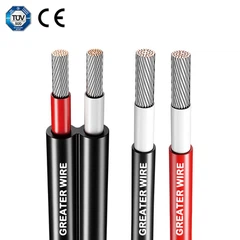

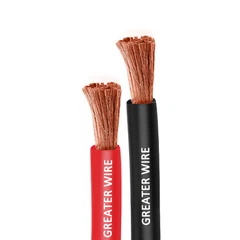
In the world of solar energy, solar cables (or solar wires) are crucial components that facilitate the safe and efficient transmission of electrical energy from solar panels to other parts of the system, such as inverters and batteries. Given that solar systems are typically installed outdoors, solar cables must be able to withstand a variety of environmental conditions. These cables must not only resist ultraviolet (UV) radiation but also be capable of enduring extreme weather conditions, including temperature fluctuations, rain, snow, wind, and even extreme humidity.
In this article, we will explore the weather resistance of solar cables, the materials used to ensure their durability in harsh environments, and how these cables are designed to adapt to extreme weather conditions for long-lasting performance.

1. The Role of Solar Cables in Outdoor Installations
Solar cables play an essential role in ensuring that the electrical energy generated by solar panels is safely transmitted to other system components, such as inverters, batteries, and the electrical grid. These cables are designed to carry high-voltage electrical current and must be durable, reliable, and efficient.
Since solar cables are often installed outdoors and exposed to direct sunlight, rain, snow, wind, and other environmental factors, they must be capable of withstanding these elements without compromising the safety and efficiency of the solar power system. Weather resistance is one of the key qualities that solar wires must have, as they need to perform consistently over the long term in all types of weather conditions.

2. The Factors That Affect the Weather Resistance of Solar Cables
The weather resistance of solar cables depends on several key factors, including the materials used for insulation and conductors, the construction of the cable, and the protection offered by additional layers, such as jackets and coatings. The ability of solar cables to adapt to extreme weather conditions involves resilience to environmental stresses like temperature fluctuations, UV radiation, moisture, and physical wear from wind and rain.
2.1 Temperature Fluctuations
One of the most significant challenges that solar cables face is extreme temperature variation. Solar cables are often exposed to hot summer temperatures, freezing winter conditions, and everything in between. These temperature fluctuations can cause materials to expand and contract, which may lead to cracking or loss of flexibility in the cable insulation.
High Temperatures: In regions with hot climates, solar cables must be able to handle high temperatures without degrading. Insulation materials, such as cross-linked polyethylene (XLPE), TPE (thermoplastic elastomers), and EPDM (ethylene propylene diene monomer), are designed to withstand temperatures up to 90°C to 120°C (194°F to 248°F) without breaking down. These materials help ensure that the cables maintain their integrity even when exposed to the intense heat of the sun.
Low Temperatures: In colder climates, the ability of solar wires to remain flexible and functional is equally important. Solar cables used in these regions must be able to resist freezing temperatures, as well as maintain flexibility and conductivity even in subzero conditions. Insulation materials that retain flexibility at low temperatures, such as EPDM and certain PVC formulations, are commonly used for this purpose. Some solar wires can withstand temperatures as low as -40°C (-40°F).
2.2 Moisture and Water Resistance
Another critical factor affecting the weather resistance of solar cables is their ability to resist moisture and water. Solar cables are exposed to rain, snow, and condensation, all of which can cause serious damage if the cable insulation is not designed to withstand moisture.
Waterproofing: To prevent water from penetrating the cable and causing electrical shorts or damage to the insulation, solar cables are often equipped with moisture-resistant coatings. UV-resistant jackets made of materials like TPE and XLPE help protect the cable from rain and snow. Additionally, many solar wires are designed to be waterproof, which means they can operate safely even when submerged or exposed to heavy rainfall.
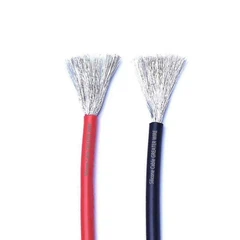
Resistance to Corrosion: Solar cables also need to resist corrosion, especially in coastal areas where the saltwater environment is highly corrosive. Tinned copper conductors are often used for solar cables because they are more resistant to corrosion compared to bare copper. Additionally, the jacket and insulation materials used in solar wires must be designed to resist the damaging effects of moisture and other corrosive elements.
2.3 UV Resistance and Durability in Direct Sunlight
The most prominent environmental challenge faced by solar cables is exposure to ultraviolet (UV) radiation. Prolonged UV exposure can cause significant degradation in materials, leading to cracking, loss of flexibility, discoloration, and overall material breakdown.
UV-Stabilized Materials: Solar cables are manufactured using materials that are UV-stabilized to prevent UV degradation. Cross-linked polyethylene (XLPE) and thermoplastic elastomers (TPE) are highly effective at resisting UV radiation and retaining their properties over time. Solar cables are also treated with UV-resistant additives and stabilizers to further enhance their durability when exposed to sunlight.
Longevity in Sunlight: The best solar cables are designed to maintain their mechanical properties and insulation resistance even after years of exposure to direct sunlight. The UV resistance of solar wires ensures that they remain safe, flexible, and functional over the lifespan of the solar power system, often lasting 25 years or more in residential and commercial installations.
2.4 Wind and Physical Wear Resistance
In addition to environmental factors like temperature and UV radiation, solar cables must also be resistant to physical wear caused by wind, debris, and mechanical stress. Wind can move the cables, causing abrasion and physical damage, while hailstorms or flying debris can potentially puncture or damage the insulation.
Abrasion Resistance: To protect against physical damage, solar cables are often equipped with abrasion-resistant outer jackets. These jackets are designed to withstand friction and wear caused by movement, particularly in areas where cables are exposed to high winds or mechanical stress.
Hail Resistance: In regions that experience hailstorms, solar cables may be subjected to direct impact from ice or debris. For this reason, high-quality solar cables are designed to withstand the impacts of hailstones, with reinforced jackets and robust construction that can protect the internal conductors and insulation.

3. Materials Used in Weather-Resistant Solar Cables
The weather resistance of solar cables is largely determined by the materials used in their construction. These materials must be chosen based on their ability to withstand extreme temperatures, UV radiation, moisture, and physical wear.
3.1 Cross-Linked Polyethylene (XLPE)
Cross-linked polyethylene (XLPE) is a popular material used for solar cables due to its excellent weather resistance. The cross-linking process gives XLPE its superior thermal stability, making it resistant to both high and low temperatures. XLPE also offers outstanding UV and water resistance, which ensures that solar cables can perform reliably in harsh outdoor environments.
3.2 Thermoplastic Elastomers (TPE)
Thermoplastic elastomers (TPE) are known for their flexibility, durability, and weather resistance. TPE materials are widely used in solar cables exposed to extreme weather conditions because they retain their flexibility even at very low temperatures. Additionally, TPE is highly resistant to UV radiation and can withstand exposure to the elements for long periods without degrading.
3.3 Polyvinyl Chloride (PVC)
Polyvinyl chloride (PVC) is commonly used for solar cables due to its affordability and moderate weather resistance. PVC is effective at withstanding exposure to moisture and moderate temperatures. However, solar wires made from PVC require additional UV stabilizers and protective coatings to be used in outdoor applications, especially in areas with intense sunlight.
3.4 Ethylene Propylene Diene Monomer (EPDM)
EPDM is a synthetic rubber known for its superior weather resistance. It is highly resistant to both UV radiation and extreme temperatures, making it an ideal material for solar cables installed in regions with fluctuating weather conditions. EPDM also offers excellent resistance to ozone and oxidation, ensuring long-term durability.

4. Standards and Certifications for Weather Resistance
To ensure the quality and safety of solar cables, several international standards and certifications govern their performance in harsh weather conditions.
4.1 IEC 60228
The International Electrotechnical Commission (IEC) standard IEC 60228 specifies the construction and performance requirements for electrical cables, including solar cables. This standard ensures that solar wires meet the necessary weather-resistant criteria for outdoor applications, including UV resistance, temperature tolerance, and moisture protection.
4.2 UL 4703
UL 4703 is the standard for solar cables in the United States. It covers the performance characteristics of solar wires, including their ability to withstand UV exposure, temperature fluctuations, and moisture. UL 4703 certification ensures that solar cables are safe for use in outdoor and weather-exposed environments.
4.3 TUV 2Pfg 1169/08
The TUV 2Pfg 1169/08 standard applies to solar cables used in photovoltaic systems. This standard specifies the requirements for solar wires to ensure their ability to withstand environmental stressors such as UV radiation, temperature changes, and exposure to moisture.
GREATER WIRE is a leading cable company specializing in the manufacturing and supply of high-quality cable products. With years of industry experience, we offer a wide range of cables, including America UL cables, Australia SAA cables, VDE cables, and TUV cables, catering to various applications such as industrial, commercial, and residential use.
Contact us today for more information on our products and services. Our dedicated team is ready to assist you with all your cable needs.