



With the rapid growth of global solar photovoltaic (PV) installations, cables play a crucial role in PV systems. They are not only the medium for power transmission but also directly impact system safety, stability, and service life. In rooftop PV, ground-mounted solar farms, and energy storage systems, designers and engineers increasingly focus on cable performance in high temperature, ultraviolet (UV) exposure, humidity, dust, and chemically aggressive environments.
XHHW-2 cable (Cross-linked High Heat-resistant Wire) stands out with excellent heat resistance, weatherability, mechanical performance, and long-term reliability, making it a preferred choice for PV systems in North America and worldwide. This article systematically analyzes how to select XHHW-2 cable in photovoltaic designs and compares it with other common cables, such as THWN-2 and RHW, to help engineers and procurement teams make informed decisions.
Overview of XHHW-2 Cable
What is XHHW-2 Cable
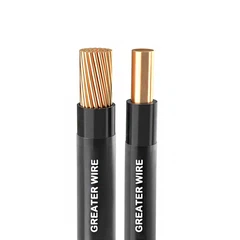
XHHW-2 is a cross-linked polyethylene insulated high-heat resistant cable with multiple outstanding properties:
- High temperature resistance: 90°C continuous operation; emergency rated up to 125°C.
- Moisture resistance: Suitable for wet environments and submersion.
- Chemical resistance: Can withstand acids, alkalis, and other chemical exposure.
- UV resistance: Suitable for outdoor direct sunlight without additional protection.
- High mechanical strength: Excellent tensile and bending resistance, suitable for complex PV system layouts.
- Moderate flexibility: Easy to install and route.
These features make XHHW-2 ideal for DC main lines, inverter input/output, battery cabinets, and other high-temperature or high-humidity PV environments.
Comparison with Other Cables
Common cables in PV designs include THWN-2, RHW, and RHW-2. A comparison with THWN-2 is shown below:
| Feature | XHHW-2 | THWN-2 |
|---|---|---|
| Continuous temperature | 90°C | 90°C |
| Emergency temperature | 125°C | 90°C |
| Wet environment suitability | Excellent | Good |
| Outdoor UV resistance | High | High |
| Mechanical strength | High | Medium |
| Applicable standards | UL 44, UL 4703 | UL 83 |
| Service life | Long-term stable | Moderate |
The comparison shows that XHHW-2 performs better in high-temperature, humid, and chemically aggressive environments, making it particularly suitable for rooftop and ground-mounted PV systems for long-term operation.

Key Factors in Selecting XHHW-2 Cable for PV Designs
Cable Size and Model
Cable size should be selected based on system design current, voltage rating, and routing length:
- Cross-sectional area: Typically ranges from 12 AWG to 4/0 AWG to meet different current requirements.
- Voltage rating: Commonly 600V–1000V DC; some large-scale PV systems require 1500V.
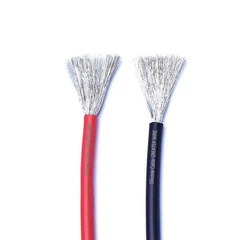
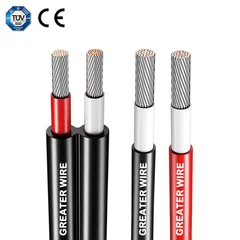
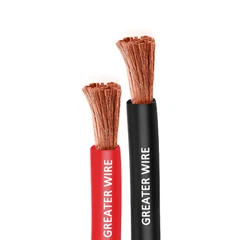
- Jacket color: Black for DC positive; red/blue for DC polarity identification to facilitate installation and maintenance.
Proper sizing ensures system safety while reducing voltage drop and power loss.
Environmental Suitability
Different PV installation environments require different cable performance:
- Outdoor exposure: UV and high-temperature resistance is essential.
- Humid or water-adjacent environments: Such as rooftop gardens or floating PV, moisture resistance is critical.
- High-temperature areas: Temperatures under rooftop PV panels can reach 60–70°C, XHHW-2 ensures long-term stability.
Selecting the right cable for the environment significantly extends service life and reduces maintenance costs.
Installation Methods and Routing
PV system cable routing varies, with each method imposing specific requirements:
- Direct burial: Recommend additional protective conduit or sheath to prevent mechanical damage.
- Cable trays: XHHW-2 withstands long-term high temperatures in trays, reducing thermal aging.
- Flexible cable chains: For movable PV devices or battery modules, XHHW-2's moderate flexibility ensures ease of installation.
Correct installation enhances cable performance and overall system safety.
Current Rating and Voltage Drop
Choose the correct cross-sectional area based on system current and routing distance to keep voltage drop within allowable limits.
XHHW-2 has low resistance, minimizing heat generation and power loss, improving system efficiency.
In long DC runs, XHHW-2 reduces inverter input voltage fluctuations, ensuring stable operation.

Applications of XHHW-2 Cable in PV Systems
Rooftop Residential PV Systems
- Example: North American residential rooftop PV, 5 kW capacity.
- Cable choice: XHHW-2 10 AWG for DC main lines, black jacket for panels, red/blue for polarity identification.
- Benefits: High-temperature and UV resistance ensure safe operation for over 10 years.
Ground-Mounted Solar Farms
- Example: South American ground PV plant, 50 MW total capacity.
- Cable choice: XHHW-2 1/0–4/0 AWG for DC main lines to reduce voltage drop and heat accumulation.
- Benefits: Low energy loss, long-term stable power generation, and reduced O&M cost.
Inverters and Energy Storage Systems
- Example: Rooftop PV with residential energy storage.
- Cable choice: XHHW-2 for inverter input/output connections, balancing flexibility and heat resistance.
- Benefits: Ensures stable inverter operation and energy storage safety.
These practical applications highlight XHHW-2's superior performance in various PV scenarios.
Strategies for Selecting XHHW-2 Cable
Cross-Section and Current Matching
- Accurately calculate maximum system current and select appropriate cross-section.
- Large-scale PV projects may oversize the cable to reduce resistance and heat generation.
Prioritize Environmental Suitability
- High-temperature, humid, and UV-exposed environments require XHHW-2.
- Special environments may require additional sheathing or customized material types.
Cost and Benefit Analysis
- Initial cost of XHHW-2 is slightly higher than THWN-2, but its long service life and low maintenance make it cost-effective.
- Over the long term, XHHW-2 reduces replacement and operational costs.
System Compatibility
- XHHW-2 can be used with THWN-2, RHW, and RHW-2, but ensure matching temperature ratings and current capacity.
- Avoid low-temperature cables in high-heat areas to maintain system safety.
Advantages of Our XHHW-2 Cable
Product Range
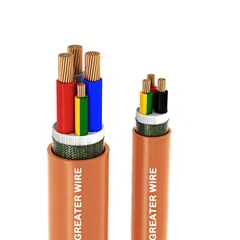
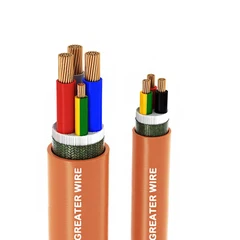
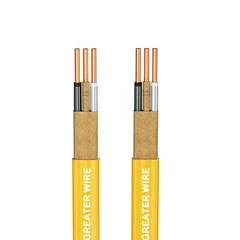
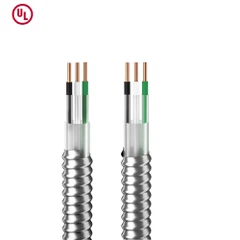
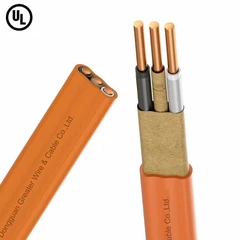
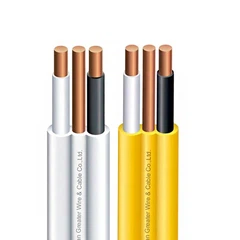
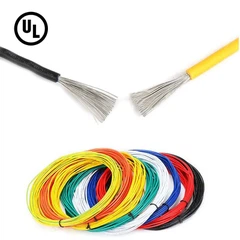
- We specialize in UL-certified wires and cables with a complete range, including THHN, THW, MC cable, AC cable, meeting diverse PV project requirements. Detailed product information is available on our UL wire catalog.
Compliance with Americas Market
- All cables are UL-certified and meet standards for North and South American markets, ensuring safety and regulatory compliance.
Full Range of Specifications
- We cover all common models, from residential rooftops to large-scale PV farms, to meet every design requirement.
Fast Delivery
- We provide rapid delivery for both small and large orders, supporting project schedules.
Technical Support
- Professional technical assistance throughout the pre-sale and after-sale stages ensures project success.
Global Cooperation
- With years of manufacturing and export experience, our partners span the globe, offering mature supply chain and logistics solutions.
UL Certification
- All products are UL-certified, ensuring reliable quality and safety performance.
Customization Options
- We offer full customization in materials, specifications, length, performance, color, marking, and packaging to meet diverse customer needs.

Purchase Guide and Installation Recommendations
- Select cable cross-section based on system current and voltage.
- Consider environmental factors and choose high-temperature, moisture, and UV-resistant models.
- Ensure correct installation to avoid mechanical damage and heat buildup.
- Customize when needed for special design requirements.
- Collaborate with system designers to ensure cable matches system specifications.
Company Information
Dongguan Greater Wire & Cable Co., Ltd.
- Tel/WhatsApp/Wechat: +86 135 1078 4550 / +86 136 6257 9592
- Email: manager01@greaterwire.com
We provide high-quality, full-range UL-certified wires and cables to meet the diverse needs of PV and other industrial applications.