























The orange circular cable is a versatile and commonly used electrical cable, found in a wide variety of industries, including construction, industrial plants, power generation, and more. Its distinct orange color makes it easily identifiable, which is often a requirement in environments that prioritize visibility, safety, and organization. But as with any cable, it is essential to assess the suitability of an orange circular cable for specific applications, especially when those environments involve exposure to moisture, humidity, or even direct contact with water.
In this article, we will explore whether the orange circular cable is suitable for use in humid or wet environments. We will look into the factors that influence a cable's ability to function effectively in such conditions, the construction features of orange circular cables that help protect against moisture, as well as industry standards and best practices. We will also address the limitations of these cables in environments that are frequently exposed to moisture or wet conditions and provide guidelines on selecting the right cable for these challenging environments.


Understanding Orange Circular Cables
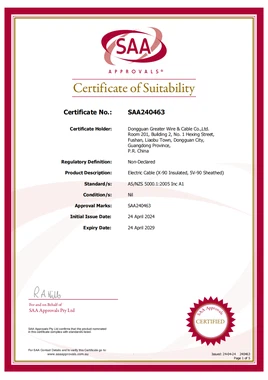
Before diving into the suitability of orange circular cables for humid or wet environments, it's important to understand what makes up this type of cable. Typically, an orange circular cable consists of the following key components:
Conductors: These are the core parts of the cable, designed to carry electrical current. Conductors are generally made of copper or aluminum, chosen for their excellent electrical conductivity.
Insulation: Surrounding each conductor, the insulation prevents short circuits, leakage of electrical current, and exposure to external factors like moisture. Insulation materials commonly used in orange circular cables include PVC (Polyvinyl Chloride), rubber, or Teflon, among others.
Outer Sheath: The outer layer, usually made of a durable material like PVC or rubber, protects the internal components of the cable from mechanical stress, abrasion, UV exposure, chemicals, and moisture. The sheath also provides the distinctive orange color for visibility, which is essential in safety-conscious environments.
Orange circular cables are known for their durability, flexibility, and ability to function in a range of environmental conditions. However, when considering their suitability for humid or wet environments, we need to examine the role of insulation and outer sheathing materials, as well as the overall design of the cable in terms of moisture resistance.
Key Factors Affecting Cable Performance in Wet and Humid Environments
To determine whether an orange circular cable is appropriate for use in humid or wet conditions, we must consider several factors that affect cable performance in these environments. Below, we explore these considerations:
Insulation and Outer Sheath Material: The material used for both the insulation and outer sheath plays a significant role in the cable's ability to resist the effects of moisture, humidity, and water. For example:
PVC: While PVC is a commonly used insulation material, it is not the best material for cables exposed to high levels of moisture. PVC can absorb water over time, which may affect the insulation's integrity and overall performance. In high-humidity environments or areas prone to moisture exposure, cables made from PVC may not offer optimal protection.
Rubber: Rubber is generally a better material for resisting moisture and water, and it provides a high degree of flexibility. Rubber insulation and sheathing are often used for cables that will be exposed to wet environments, such as those found in construction sites or machinery located outdoors.
LSZH (Low Smoke Zero Halogen) Materials: Cables made from LSZH materials are specifically designed to emit minimal smoke and no halogen gases in the event of a fire. While LSZH cables may not be inherently waterproof, they are suitable for environments with moisture exposure and can handle damp conditions better than traditional PVC.
Waterproof vs. Water-Resistant Cables:
Waterproof Cables: Waterproof cables are specifically designed to withstand direct exposure to water and are typically rated for use in submerged applications. These cables are constructed with special materials that prevent water ingress, which is critical in applications such as outdoor installations, marine environments, or underground systems.
Water-Resistant Cables: Cables that are water-resistant can withstand some exposure to water but are not designed for continuous submersion. These cables may work well in environments with high humidity or light moisture exposure, such as in buildings or industrial environments. However, they are not suitable for applications where the cable will be directly exposed to water for prolonged periods.
IP Rating (Ingress Protection): One of the most important specifications when evaluating a cable for use in wet or humid environments is its IP rating (Ingress Protection rating). The IP rating is a standard used to indicate how well a cable or electrical device is protected against dust, moisture, and water. The higher the IP rating, the better the cable is protected.
IP68: This is one of the highest ratings for cables that are intended to be submerged in water. Cables with an IP68 rating can withstand complete immersion in water for extended periods and are typically used in outdoor or underground installations where water exposure is unavoidable.
IP67: This rating means the cable can withstand brief submersion in water up to a depth of 1 meter for up to 30 minutes, making it suitable for temporary exposure to wet environments.
IP54 or IP55: These ratings offer dust and water splash protection, meaning that cables with such ratings can resist the effects of water splashes and high humidity but are not meant for full immersion.
Corrosion Resistance: In humid environments, corrosion is a significant concern, particularly for the conductors within the cable. Corrosion occurs when moisture interacts with metals such as copper or aluminum, causing damage to the cable and compromising its performance. To combat this, some cables are manufactured with corrosion-resistant conductors or are coated with materials such as tinned copper to prevent the metal from corroding. Additionally, the outer sheath material should be resistant to chemicals and moisture to help protect the inner components of the cable.

Industry Standards and Regulations for Wet and Humid Environments
There are various standards and regulations that govern the performance of cables in wet and humid conditions, including requirements for waterproofing, fire resistance, and overall durability.
IEC 60529 (International Electrotechnical Commission): The IEC 60529 standard defines the IP rating system and specifies the performance levels of electrical equipment, including cables, when exposed to environmental factors such as water and dust. Cables designed for use in humid or wet environments typically meet the requirements of this standard.
UL Standards: The Underwriters Laboratories (UL) provides standards for water-resistant cables, such as UL 83, UL 1277, and UL 62. These standards define the materials, construction methods, and testing procedures required to ensure cables are safe and reliable when used in damp, humid, or wet environments.
BS 6387 (British Standard): For cables used in critical systems, such as fire alarms and emergency systems, the BS 6387 standard outlines the necessary performance characteristics to ensure that cables continue to operate under extreme conditions, including exposure to water, fire, and mechanical damage.
Applications of Orange Circular Cables in Humid or Wet Environments
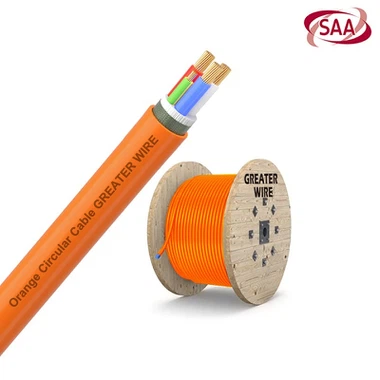
While the standard orange circular cable may not be fully suitable for submersion in water, it can still be appropriate for certain humid or wet environments when constructed with the appropriate insulation and outer sheath materials. Some of the typical applications where orange circular cables are used in wet or humid conditions include:
Construction Sites: On construction sites, orange circular cables are used to provide power to temporary equipment. These cables are often exposed to high humidity or damp conditions, particularly during rainy weather or in areas where water accumulation is common. Rubber-sheathed orange cables or cables with water-resistant outer sheaths are suitable for these environments.
Outdoor and Industrial Installations: In industrial plants or outdoor installations, such as manufacturing facilities or factories, cables may be exposed to high levels of moisture from processes involving water or steam. In these settings, it is important to choose cables with sufficient moisture resistance, such as those made with LSZH or rubber sheathing.
Agricultural Applications: Agricultural settings, such as farms, greenhouses, or irrigation systems, often require electrical systems that are exposed to humidity, rain, and wet soil. Orange circular cables with water-resistant or corrosion-resistant coatings are used in these settings to ensure reliability and safety.
Marine and Offshore Environments: Cables used in marine environments are subject to high humidity, saltwater exposure, and the risk of direct contact with water. Waterproof or water-resistant cables, typically with an IP68 rating, are required for applications such as offshore platforms, ships, and docks.